
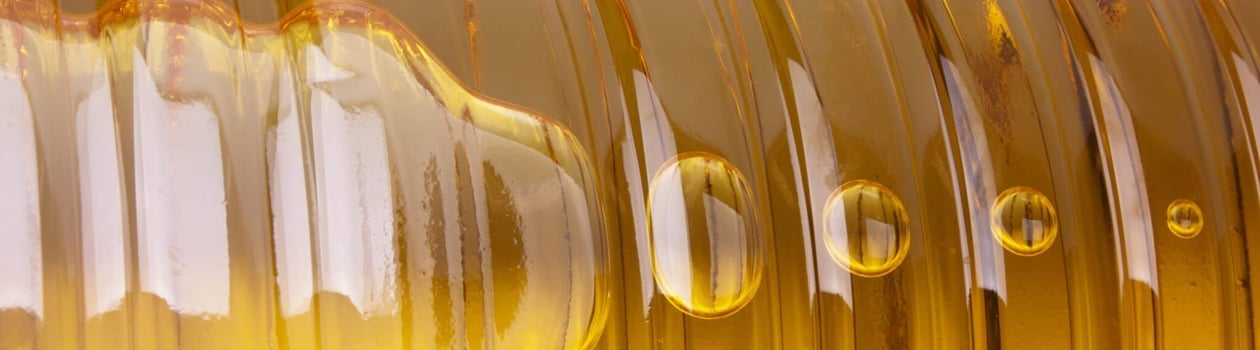
Ethanol and biodiesel allow people to burn a cleaner form of energy.
Mark Kennedy
There was a time when the world ran on petroleum fuels, or fossil based fuels as they’re called. It’s been a long time since anyone seriously discussed an alternative or produced something that could actually make a difference.
That day has finally come in the form of Biodiesel, and National Biodiesel Day celebrates the newest form of fuel that allows you to both drive with a clean conscience and surrounded by the amazing smell of French fries!
History of National Biodiesel Day
Biodiesel is an amazing substance that has the great quality of being made from old, used vegetable and animal oils.
It’s made by processing the oil with alcohol to produce a fuel that’s capable of burning and powering everything from a passenger bus to a heating unit, turning left-over oil to a powerful new way to get around town.
Biofuel isn’t really a new concept, at least the technology that makes it isn’t a new concept. The process, known as transesterification, was actually first done in 1853 by a man by the name of Patrick Duffy.
This was long before the first diesel engine was produced, and at the time there wasn’t a practical application for this new development.
That changed in 1893 in Augsburg, Germany, when Rudolf Diesel’s first diesel model was produced, and was running on pure peanut oil.
It’s worth noting that Diesel hadn’t intended his device to run on peanut oil, but when it was presented at the Paris Exhibition in 1900, it was done by request of the French government.
In spite of our initial statement, there have been discussions on the subject of plant based fuel to replace petroleum oils as early as the 1920’s and 1930’s. They just never made it into the mainstream, and certainly never managed to gain enough traction to cause the kind of movement we’re seeing today.
How to Celebrate National Biodiesel Day
The best way to celebrate National Biodiesel Day is to explore the technology that is Biodiesel. Look into local suppliers, how it’s made, and the impact it has on your environment.
You may be pleasantly surprised to discover that it’s easily available and will leave you with a clean conscience as you travel down the road to your destination.
Even better, there are conversion kits to turn any car into a biodiesel fueled vehicle, who knows, you may even decide it’s time for a change!
Facts About National Biodisel Day
Vegetable Oil Fuels Were Demonstrated Before Diesel’s Engine
Chemists carried out the first documented transesterification of vegetable oil in 1853, decades before Rudolf Diesel built his engine.
Patrick Duffy and others showed that reacting plant oils with alcohol produced thinner, more combustible “fatty acid esters,” essentially an early form of biodiesel, even though there was no practical engine to use them yet.
Biodiesel Molecules Are Chemically Distinct From Straight Vegetable Oil
Modern biodiesel is made by reacting triglycerides in fats and oils with an alcohol, usually methanol, in the presence of a catalyst to form fatty acid methyl esters (FAME) and glycerin.
This process lowers viscosity and improves cold-flow and combustion characteristics so the fuel can meet technical standards like ASTM D6751 and EN 14214 for use in diesel engines.
Biodiesel Can Cut Lifecycle Greenhouse Gases by More Than Half
When produced from common feedstocks such as soy oil, used cooking oil, or animal fats, biodiesel typically reduces lifecycle greenhouse gas emissions by 50 to 86 percent compared with petroleum diesel.
The U.S. Department of Energy attributes these savings to the fact that the plants or waste sources for biodiesel originate from contemporary carbon rather than releasing carbon long stored underground in fossil fuels.
Tailpipe Pollution Changes, Not Disappears, With Biodiesel
Switching from petroleum diesel to biodiesel blends generally cuts particulate matter, carbon monoxide, and unburned hydrocarbons from vehicle exhaust, but it can slightly increase nitrogen oxides (NOx) in some engines and duty cycles.
Regulatory reviews by the U.S. Environmental Protection Agency found that a pure biodiesel (B100) fuel can reduce particulate emissions by about 47 percent while increasing NOx by about 10 percent, which is why engine calibration and after-treatment systems remain important.
Used Cooking Oil Has Become a Major Industrial Feedstock
Recycled restaurant grease and used cooking oil once treated purely as waste are now important raw materials for biodiesel and related renewable diesel.
In the United States, the Department of Energy estimates that waste fats, oils, and greases account for roughly 10 to 15 percent of biodiesel feedstocks, reducing landfill disposal and helping improve the overall carbon intensity of the fuel.
Biodiesel Production Is Tied Closely to Agricultural Markets
In many countries, biodiesel is produced primarily from vegetable oils such as soybean oil in the United States and rapeseed oil in the European Union.
Analysts at the International Energy Agency note that mandates for biodiesel blending can influence crop planting decisions and oilseed prices, linking transport fuel policy directly to farm economics and food-versus-fuel debates.
Engine Compatibility Depends on Blend Level and Materials
Most modern diesel engines can run on blends up to B20 (20 percent biodiesel, 80 percent petroleum diesel) with little or no modification, but higher blends can interact with certain elastomers and older fuel-system materials.
Technical guidance from the National Renewable Energy Laboratory notes that biodiesel’s solvent properties can loosen deposits in fuel systems and that long-term use of high blends in older engines may require upgraded hoses, seals, and careful cold-weather management.
National Biodiesel Day FAQs



You may also like

Diesel Engine Day
Diesel Engine Day celebrates Rudolf Diesel’s revolutionary invention of the diesel engine, a machine that helped reshape transportation, industry, and power generation. It is a chance to appreciate the stubbornly practical side of engineering: the kind that favors torque over flash, endurance over delicacy, and efficiency over drama. Celebrating Diesel Engine...
- Germany
- International
- Japan
- and 2 more

National Public Defense Day
National Public Defense Day celebrates the vital role that public defenders play in our justice system. It highlights how these professionals ensure that people who cannot afford a lawyer still receive legal help. They work tirelessly to uphold fairness in courtrooms and bring balance to legal proceedings. The day encourages honoring...
- United States

National Petroleum Day
Try going the day without using any petroleum products—from car gas to plastic and more—to see the massive impact petroleum has had on 21st Century living.
- Canada
- Russia
- Saudi Arabia
- and 1 more

National Renewable Energy Day
National Renewable Energy Day is a celebration highlighting the critical role of renewable energy in powering a sustainable future. It underscores the need for eco-friendly energy sources, such as wind, solar, and hydropower, to reduce our reliance on fossil fuels. This day raises awareness of the harmful impacts of traditional energy...
- United States
National days and holidays on March 18 2027

March Madness
Get your game face on for March Madness! This high-energy tournament is a slam dunk of excitement, passion, and heart-pumping action. So grab your team colors, gear up for the showdown, and let the madness begin!
- United States

National Groundwater Awareness Week
A vital resource, groundwater is a hidden treasure beneath our feet. Its protection is crucial for our future and the planet's.
- United States

International Teach Music Week
International Teach Music Week is a vibrant celebration that lights up every year's third week of March, and unites over 750 music schools and various organizations globally. They offer free 30-minute lessons to new students, encouraging everyone from kids to adults to explore the joy of music. It's a time when...
- Canada
- Italy
- Philippines
- and 4 more

Oranges And Lemons Day
Oranges and Lemons Day is a cheerful, bell-ringing tradition centered on St. Clement Danes Church and a nursery rhyme that has echoed through generations. It blends two things that rarely share the spotlight: church bells and citrus fruit. At its heart, the day celebrates the sound of a particular tune played...
- Canada
- United Kingdom
- United States
Seize Every Day
Join free for personalised recommendations, email reminders and exclusive guides. Never miss a day.