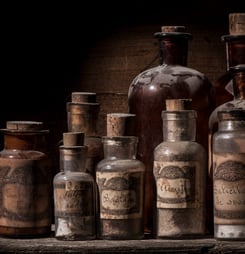

Antiques all have historical value. For those who look at antiques and don’t think much of them, then this is the day to ask questions. It’s a great way to learn about the treasured stories behind the antiques.
National Cherish An Antique Day celebrates the history behind the item, the celebration of families and their stories. You can also learn about the collectors that maintain that history through preservation and upkeep.
How to Celebrate National Cherish An Antique Day
Celebrate National Cherish An Antique Day by taking the time to learn the story of the antiques throughout your home.
Ask your mother, grandma, father, or grandpa about why they hold on to the antiques throughout your home. If you have an antique in your home, polish it up, repair it, and maintain its value.
Take a trip to your local antique shop and look around for beautiful furnishing to decorate your home. Spend some time with an antique collector and learn about the appreciation and care that goes into the craftsmanship of antique collecting.
National Cherish An Antique Day Timeline
Renaissance Cabinets of Curiosities
European princes and scholars begin assembling “cabinets of curiosities” that mix natural wonders, artworks, and ancient objects, laying early foundations for the taste for collecting antiques.
British Museum Opens to the Public
The British Museum was founded in London to house the collections of Sir Hans Sloane and others, making classical antiquities and historic artifacts accessible to a wider public and inspiring interest in collecting old objects.
Rise of the Parisian Antique Trade
Dealers in Paris begin specializing in older furniture and decorative arts, and the term “antiquaire” comes into common use, signaling the emergence of a distinct profession focused on buying and selling antiques.
United States Customs “100‑Year Rule” Emerges
U.S. tariff legislation adopts the practice of defining an “antique” as an item at least 100 years old for duty‑free import, a benchmark that shapes how collectors, dealers, and museums classify historic objects.
First Grosvenor House Art & Antiques Fair
London’s Grosvenor House hosts a major vetted art and antiques fair, helping to professionalize the high‑end antiques market and giving collectors a central venue to find authenticated historic pieces.
Debut of the BBC’s Antiques Roadshow Radio Precursor
The BBC launches “Collectors’ Club” on radio, which discusses old objects and collectibles, and paves the way for the Antiques Roadshow TV format that later brings antique appreciation into millions of homes.
First Season of PBS Antiques Roadshow in the United States
Inspired by the British program, Antiques Roadshow premieres on PBS, turning family heirlooms and flea‑market finds into stories of history and value and greatly boosting popular interest in antiques across America.
https://www.pbs.org/wgbh/roadshow/about/history/
History of National Cherish An Antique Day
While all forms of history can be preserved, antiques can provide a unique perspective of how people cherish and maintain their antiques in their own homes.
Antiques specifically refer to the preclassical and classical cultures of the ancient world. People began to collect antiques around the 16th century when English and European collectors would flourish with rarities. However, these collectors would exist among the upper-class members of the late Renaissance society. It wasn’t until the 18th century that both public and private members would begin to collect antiques.
This began to happen alongside the development of art and the science of archaeology. During the 18th century, many movements to preserve authentic antiques. These antiques included books, possessions, and mementos left by family members. They became quite popular among people who would become collectors.
From there, antiques not only became valued for their history but also their connection to families. National Cherish An Antique Day acknowledges people who collect antiques from all over the world.
It gives people the chance to explore the world of antiques through museums and antique shops. It also allows those with antiques to look into the history of their families and appreciate the stories behind their lives.
It’s also a day to thank those who aim at repairing antiques and bringing life back into them. So take the time to clean your antiques, ask your relatives what they are, and appreciate the antiques of your home on this day.
Fascinating Facts About Antiques and Their Cultural Value
Antiques are more than old objects. They carry stories about history, craftsmanship, and the way people once lived.
From legal definitions based on age to the traditions of collecting and trading valuable pieces, antiques reveal how societies have preserved and appreciated items from the past.
The following facts highlight some interesting aspects of how antiques are defined, collected, and valued across different cultures and time periods.
Antiques in Law Are Often Defined by a 100-Year Rule
In many legal and regulatory contexts, an “antique” is defined by its age rather than its style or rarity.
For example, U.S. Customs and Border Protection generally treats items more than 100 years old as antiques that qualify for duty-free import, and the United Kingdom’s HM Revenue & Customs applies a similar 100‑year threshold when determining whether an item is an antique for value-added tax and other purposes.
This age-based definition influences how antiques are traded, insured, and taxed across borders.
The Grand Tour Helped Spark Europe’s Early Antique Mania
In the 17th and 18th centuries, wealthy young Europeans, especially from Britain, often undertook a “Grand Tour” of continental Europe, visiting Italy and Greece to see ancient ruins and classical art.
These travelers brought home sculptures, coins, vases, and other antiquities, helping to fuel demand for classical antiques and shaping early collecting habits.
Many major museum collections, including parts of the British Museum, have roots in objects acquired during Grand Tours.
Auction Houses Professionalized the Antique Trade in the 18th Century
The modern antique market grew alongside the rise of public auction houses that specialized in art and antiquities.
Firms such as Sotheby’s, founded in London in 1744, and Christie’s, founded in 1766, brought greater structure to pricing, cataloging, and authenticating antiques.
Their sales created a more transparent marketplace in which collectors, dealers, and museums could compete for historic objects, and their archives remain key resources for tracing the provenance of antiques.
Stable Indoor Conditions Matter More Than “Feeding” Old Wood
Many people try to preserve antique furniture by applying heavy oils or polishes, but conservation research shows that stable temperature and humidity are usually more important than frequent treatments.
The Smithsonian advises keeping wooden antiques away from heat sources and direct sunlight and maintaining relative humidity around 40–60 percent to reduce cracking, warping, and veneer failure.
Over-oiling or waxing, by contrast, can attract dust and staining and may be difficult to reverse.
Improper Cleaning Can Permanently Damage Antique Metals
Household cleaning shortcuts can greatly reduce the value of antique metal objects.
The Victoria and Albert Museum warns that abrasive polishes, steel wool, and aggressive chemical cleaners can strip original surfaces, remove historic patina, and blur makers’ marks on silver, brass, and copper alloys.
Conservators typically recommend using the gentlest methods possible, such as soft cloths and nonabrasive microcrystalline waxes, and polishing only when necessary rather than routinely.
Provenance Records Can Be as Valuable as the Object Itself
In the world of antiques, documented ownership history, or provenance, can dramatically influence an item’s cultural and monetary value.
Museums and major collectors often investigate bills of sale, letters, photographs, and exhibition catalogs to establish a chain of custody, which helps confirm authenticity and guard against looted or forged objects.
Institutions such as the J. Paul Getty Museum maintain dedicated provenance research departments to trace the histories of artworks and antiques.
Many Countries Restrict the Export of Cultural Antiques
Antiques are not just collectibles; they are often treated as part of a nation’s cultural heritage.
Italy, Greece, Egypt, and many other countries have strict export controls on archaeological and historically important objects, requiring permits or banning export altogether.
International agreements such as the 1970 UNESCO Convention encourage countries to prevent the illicit trade of cultural property and to return illegally exported antiquities, which shapes how museums and private collectors acquire antiques today.