National Cold Cuts Day
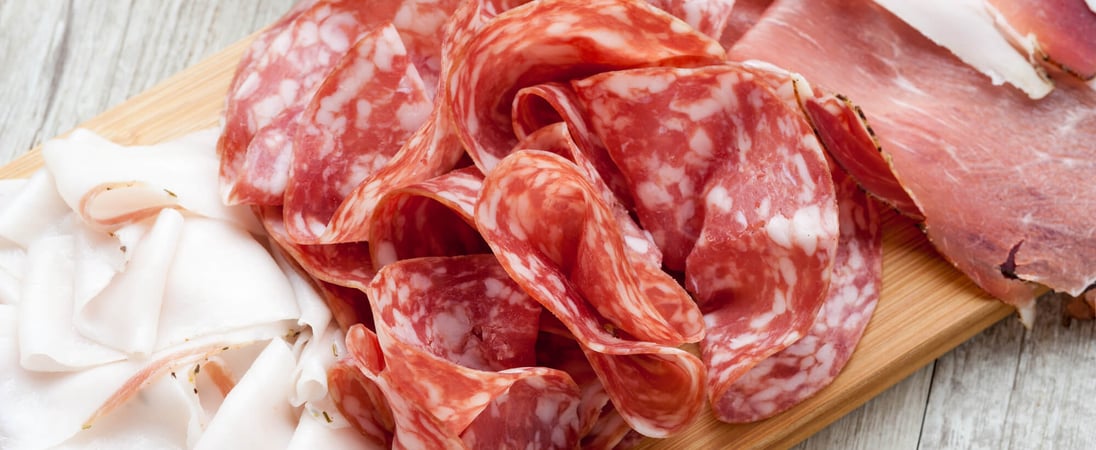
Deli counter delights, stacked high between slices, ready for your next sandwich adventure.
National Cold Cuts Day, celebrated on March 3rd, is a unique and tasty holiday that invites everyone to enjoy the wide world of cold cuts.
From the ancient Etruscan merchants’ beloved prosciutto to the vast array of meats like ham, turkey, and salami that fill modern delis, this day has roots deep in history and gastronomy.
The tradition of preserving meats, which includes smoking, curing, or adding preservatives, dates back to ancient times. In fact, references can be found in epic Greek poems and historical records from the first century A.D.
The celebration isn’t just about indulging in these delicious meats. It’s also a nod to the convenience and versatility that cold cuts offer.
They can be tossed into sandwiches, laid out on charcuterie boards, or simply enjoyed with cheese and crackers.
Whether you’re a fan of the classics or curious about trying some of the world’s more unique and, dare we say, funky cold cuts like head cheese or blood sausage, there’s something for everyone to enjoy. It’s a day when calories are set aside in the spirit of culinary exploration and enjoyment.
National Cold Cuts Day is more than just an excuse to snack on your favorite meats. It’s a celebration of a food tradition that spans thousands of years.
It’s a day to appreciate the simple joys of food, experiment with new flavors, and, perhaps, throw a cold-cuts party with friends and family. So, on March 3rd, why not visit your local deli, explore the variety, and maybe even discover a new favorite?
National Cold Cuts Day Timeline
Ancient Romans Ran a Regulated Sausage Industry
By the first century CE, producers of sausages and other cured meats in the Roman Empire were organized into professional guilds that were subject to laws governing quality, ingredients, and even where they could sell, showing that processed meats were significant enough to require official regulation in urban markets.
Charcuterie Began as a Way to Sell Every Part of the Pig
The French craft of charcuterie grew out of medieval urban guilds of “charcutiers” who were licensed to prepare and sell pork products, using salting, smoking, and curing to turn otherwise perishable or low-value cuts, organs, and fat into sausages, pâtés, and hams so that virtually nothing from the animal went to waste.
The Word “Cold Cut” Is a Mid‑20th‑Century Americanism
While people had eaten sliced cured meats for centuries, the term “cold cut” itself is relatively new, with the Oxford English Dictionary tracing its earliest known use in American English to the 1940s, reflecting the rise of mass‑produced, prepackaged deli meats in the United States.
Processed Meat Has a Quantified Cancer Risk
In 2015, the International Agency for Research on Cancer classified processed meats such as ham, bacon, and salami as Group 1 carcinogens and estimated that each 50‑gram daily portion of processed meat eaten over time increases the risk of colorectal cancer by about 18 percent, prompting many health agencies to recommend limiting intake.
Sodium in Deli Meats Can Exceed Daily Recommendations in One Sandwich
Many sliced deli meats are so heavily salted for preservation and flavor that a single 2‑ounce serving of some hams or bolognas can contain more than 800 milligrams of sodium, which is over one‑third of the American Heart Association’s recommended daily limit of 2,300 milligrams for adults.
Ready‑to‑Eat Cold Cuts Are a Known Source of Listeria Outbreaks
Unlike many bacteria, Listeria monocytogenes can grow at refrigerator temperatures, and the CDC has repeatedly traced serious listeriosis outbreaks to ready‑to‑eat deli meats and cold cuts, leading to specific advice that pregnant people, older adults, and those with weakened immune systems either avoid them or reheat them to 165°F before eating.
A Handful of Countries Dominate Global Processed Meat Trade
The global trade in processed meats such as hams, sausages, and preserved beef is concentrated among a few industrial producers, with the European Union, United States, Brazil, and China accounting for a large share of both exports and imports, reflecting the scale of consumer demand for convenient, ready‑to‑eat meat products worldwide.
History of National Cold Cuts Day
National Cold Cuts Day is a delicious tribute to all the sliced meats we love. While the origins of this day remain a bit of a mystery, the history stretches back thousands of years.
It’s believed that the first cold cut, Mortadella, was invented about 2,000 years ago and was a staple for Roman soldiers. This tradition of slicing meats was popularized for sandwiches by the Earl of Sandwich in the 17th century. However, the concept of wrapping meats in bread or other substances predates him.
Cold cuts have been part of human cuisine for centuries. Served at ladies’ luncheons before the 19th century, they evolved over time to a variety of meats and serving styles.
Today, cold cuts are a versatile and beloved part of diets around the world, whether enjoyed in sandwiches, with crackers, or as part of elaborate charcuterie boards.
To celebrate National Cold Cuts Day, you can visit your local deli to explore the wide array of meats available, make your favorite sandwich, or even share your creations on the internet using hashtags like #NationalColdCutsDay.
It’s a day where food lovers can indulge in their favorite cold cuts without worrying about calories, celebrating the rich history and delicious variety of sliced meats.
Interestingly, Americans consume more than $2 billion worth of cold cuts every year, highlighting just how much these meats are enjoyed across the country.
Despite their popularity, it’s worth noting that pre-sliced cold cuts are generally less healthy than those sliced to order, often being high in sodium and fat.
Nonetheless, with options ranging from the healthiest turkey to the more indulgent pastrami, there’s something for everyone to enjoy on National Cold Cuts Day.
How to Celebrate National Cold Cuts Day
Celebrating National Cold Cuts Day can be a blast with a little creativity. Kick things off by hosting a taste test party. Invite friends to try various deli meats, keeping their names a secret for a fun guessing game.
Get creative in the kitchen by building the ultimate sandwich using multiple types of cold cuts. Share your masterpiece online to inspire others. Another fun idea is to visit your local deli. Ask for recommendations to discover something new and support local businesses at the same time.
Why not put together a charcuterie board? Mix and match meats with cheeses, fruits, and crackers for a delightful snack spread.
For those interested in culinary adventures, try making international dishes that feature cold cuts. This day is also a fantastic opportunity to educate kids about different meats and their preparation processes.
Lastly, consider giving back by donating food to a local bank, ensuring everyone gets to enjoy a delicious meal on this special day.
National Cold Cuts Day FAQs
Are cold cuts and other processed meats really linked to cancer risk?
Health authorities classify processed meats, including most cold cuts, as carcinogenic because regular intake is associated with a higher risk of colorectal and some other cancers.
The World Health Organization’s cancer agency places processed meat in Group 1 (known to cause cancer) based on large population studies, and many nutrition guidelines recommend limiting portions and how often they are eaten rather than avoiding them entirely.
What makes cold cuts “processed,” and how do they differ from fresh meat nutritionally?
Cold cuts are usually meats that have been cured, smoked, salted, or otherwise preserved, often with added sodium, nitrites or nitrates, and sometimes sugar and phosphates, then cooked or dried and sliced.
Compared with unprocessed fresh meat, processed deli meats generally contain more sodium and preservatives and may contribute more to cardiovascular and cancer risk when eaten frequently, although they still provide protein, iron, and B vitamins.
How much cold cuts is considered a reasonable amount in a healthy eating pattern?
There is no single global limit, but many expert groups advise keeping processed meat, including cold cuts, as an occasional food rather than a daily staple.
For example, some public health recommendations suggest trying to stay under about 50 grams of processed meat per day on average and emphasize replacing part of that intake with fish, legumes, nuts, and fresh poultry or meat to reduce long‑term disease risk.
Why are nitrites and nitrates used in deli meats, and should people be worried about them?
Nitrites and nitrates in cold cuts help prevent the growth of dangerous bacteria such as Clostridium botulinum, improve shelf life, and keep the meat’s pink color.
In the body and during high‑temperature cooking, they can form nitrosamines, which are potentially carcinogenic, so many health agencies support using the lowest effective levels and encourage consumers to limit frequent intake of heavily processed meats while keeping an overall varied diet.
What are the key food safety rules for storing and serving cold cuts at home?
Food safety agencies advise refrigerating sliced deli meats at or below 40°F (4°C), using opened packages within 3 to 5 days, and discarding any meat left at room temperature for more than 2 hours.
Because cold cuts can carry Listeria monocytogenes, which grows even in the refrigerator, people who are pregnant, older, or immunocompromised are often told to only eat them steaming hot or avoid them unless heated.
Are “natural” or “uncured” cold cuts actually healthier than regular deli meats?
Many “natural” or “uncured” products still use nitrate or nitrite sources such as celery juice powder, and studies show that the body processes these similarly to conventional curing salts.
While some brands may have less sodium or fewer additives overall, experts recommend reading the nutrition label and treating all processed meats, including “natural” versions, as foods to enjoy in moderation rather than assuming they are risk‑free.
How do traditional cured meats like prosciutto or salami fit into Mediterranean-style diets that are often called healthy?
Historically, Mediterranean diets used cured meats like prosciutto, salami, and other charcuterie in small portions, more as flavoring or occasional treats than everyday protein sources.
Modern dietary patterns that follow Mediterranean principles still emphasize vegetables, fruits, whole grains, legumes, nuts, olive oil, and fish, with processed meats kept to a low frequency to maintain the diet’s protective effect on heart and metabolic health.
Also on ...
View all holidays

International Irish Whiskey Day
Savoring that smooth, amber-hued spirit with a rich heritage, evoking the warmth of tradition and the charm of Irish culture.

World Wildlife Day
Nature's untamed wonders are always captivating, from the majestic beasts of the savanna to the tiny creatures in your backyard.

World Hearing Day
Discovering the key to lifelong well-being: nurturing and safeguarding your hearing for a vibrant and connected life.
We think you may also like...
Global Scouse Day
A cherished culinary tradition, warm and hearty, born from the heart of a vibrant city, nourishing body and soul through generations.
Italian Beef Week
What's better than sinking your teeth into a juicy sandwich piled high with tender beef, topped with sweet peppers?
Wagyu Day
With its tender texture, this premium beef creates a melt-in-your-mouth sensation, leaving taste buds in a state of pure delight.