National Crown Roast of Pork Day
A magnificent culinary creation — a pork masterpiece that's as regal as it is delicious, fit for a feast to remember.
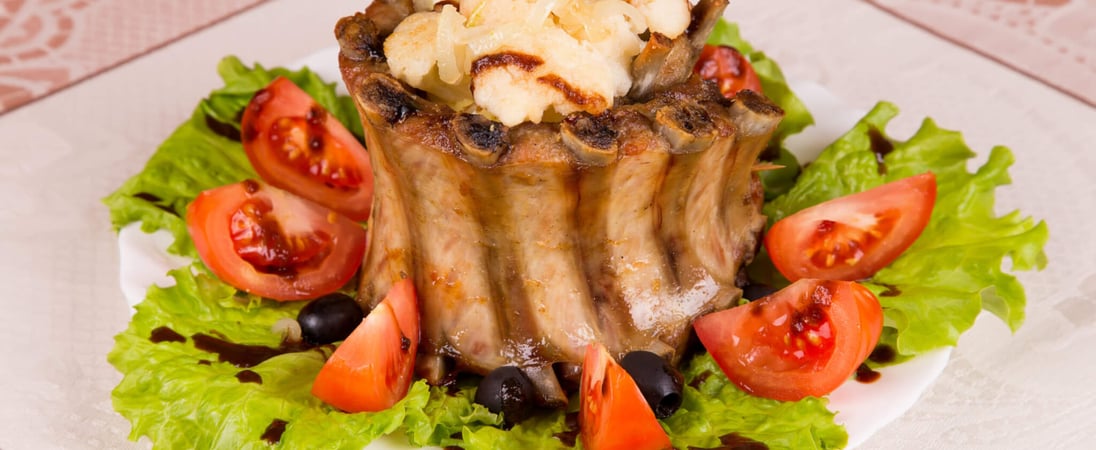
Culinary days just do not get more impressive than National Crown Roast of Pork Day. This is the showstopper of the pork world: a ring of rib chops standing tall like a tiny edible coliseum, with frilly bone “handles” that look as if they showed up wearing formalwear. It is part dinner, part centerpiece, and part bravely saying, “Yes, this is happening in this kitchen.”
History of National Crown Roast of Pork Day
Long before anyone thought to shape pork into an attention-grabbing circle, pigs were already deeply woven into human food history. Archaeological evidence places pig domestication thousands of years ago, with the wild boar as the obvious ancestor.
Over time, pigs became valued not only because they grow quickly and provide a lot of usable meat, but also because nearly every part could be put to work in cooking. That practicality helped pork become a staple across many cuisines, and it also encouraged creativity.
When people raise an animal that offers roasts, chops, ribs, hocks, belly, and more, cooks naturally start looking for new ways to prepare and present it.
That spirit of “make it delicious and make it look like something” is exactly where the crown roast fits in. A crown roast of pork is typically made from a rib roast, essentially a section of pork loin with the rib bones still attached.
The rack is curved into a circle and tied into place so the rib bones point upward, forming a crown-like shape. The look is dramatic, but the technique is rooted in old-school butchery and classic roasting methods: keep the bones attached for flavor and insulation, roast it carefully, then carve between the bones for neat, portioned chops.
The most recognizable detail, and the one that makes people say “I could never,” is the “frenching” of the bones. Frenching is a trimming technique that removes meat and connective tissue from part of the rib bone, making it clean and exposed.
It does not magically change the flavor, but it makes the final roast look polished and intentional, as it belongs on a special-occasion table. Those little paper “hats” sometimes placed on the tips of the bones are not required, but they lean into the pageantry and help keep the bones from over-browning during roasting.
As for the day itself, National Crown Roast of Pork Day is a modern food celebration rather than a centuries-old tradition. Mentions of it appear in print in the late 20th and early 21st century, which is common for many themed food days.
That modern timing makes sense: the crown roast has long been known in classic cookbooks and butcher shops, but a dedicated day gives people a friendly nudge to try something that feels restaurant-level at home.
What the day celebrates, in practice, is a particular kind of cooking confidence. The crown roast is not complicated because it requires obscure ingredients. It is complicated because it asks for planning, collaboration with a butcher, and a willingness to roast a large cut of meat with care. It also highlights a nice truth about pork: it can be both everyday and elegant, depending on how it’s handled.
National Crown Roast of Pork Day Timeline
5000–3000 BCE
Early Domestication of Pigs
Wild boar began to be domesticated independently in regions such as China and the Near East, giving rise to domestic pigs that would later supply meat for elaborate roasts, including rib and loin preparations.
1st–4th Century CE
Roman Empire Popularized Festive Pork Roasts
In the Roman world, pork became a favored meat for banquets, with whole and partial pig roasts seasoned and presented for display at feasts, setting a precedent for showpiece pork dishes for important occasions.
Mid‑19th Century
Butchery Trade Formalized Rib and Loin Cuts
As professional butchery and meatpacking expanded in Europe and North America, standardized rib and loin cuts of pork and beef emerged, creating the technical basis for complex presentations such as rib racks and future crown roasts.
1861
Mrs. Beeton Codifies Roast Pork for the Middle Class
Isabella Beeton’s “Book of Household Management,” published in London, details methods for roasting joints of pork for the emerging middle-class household, reflecting how impressive roasts become centerpieces for family and holiday dinners.
Early 20th Century
Frenching and Rack Presentation Spread in Fine Dining
Professional chefs increasingly “French” ribbed bones on lamb and pork racks to create a clean, decorative look, and restaurant cookbooks describe tying roasts into circles, practices that underpin the later, highly stylized crown roast of pork.
1950s–1960s
Crown Roast of Pork Entered American Holiday Cooking
Postwar American cookbooks and women’s magazines began featuring the crown roast of pork as a dramatic holiday centerpiece, instructing readers to have butchers shape rib loins into a circle and to fill the center with stuffing for festive meals.
Late 20th Century
Crown Roast Became a Symbol of Retro Elegance
By the late 1900s, food writers described crown roasts as grand but slightly old‑fashioned showpieces, often associated with Christmas or special Sunday dinners, preserving the dish as a culinary icon of formal home entertaining.
How to celebrate National Crown Roast of Pork Day
Celebrating National Crown Roast of Pork Day can be as elaborate as preparing a full crown or as simple as capturing its flavors and festive spirit. However you approach it, the idea is the same: give pork a sense of occasion and enjoy the experience.
One of the first steps is, as the traditional advice suggests, building a good relationship with a butcher. A crown roast is not always available in the standard meat case, and when it is, it may not be trimmed the way a home cook expects. Calling ahead helps.
A butcher can recommend the right size, explain how many ribs you’ll need, confirm whether the bones will be frenched, and prepare the roast properly.
A few details can make that conversation easier:
- Choose the crown size. Crown roasts are made from one rack formed into a circle or from two racks tied together. The number of rib bones determines the number of servings, since each rib becomes a chop.
- Ask for secure tying. Kitchen twine keeps the roast in shape while it cooks. Starting with a stable crown makes preparation much easier.
- Request frenching if desired. Frenching takes time and practice, so many cooks prefer to have it done by the butcher. If doing it at home, a sharp knife and patience are essential.
Once the roast is ready, attention turns to seasoning and cooking strategy. Crown roast of pork is lean but naturally flavorful. Because loin meat can dry out if overcooked, the goal is to build flavor, retain moisture, and roast it to a juicy doneness.
Make the flavor match the presentation
A crown roast pairs well with bold but classic seasoning. Many cooks keep it simple and let the pork shine. Popular options include:
- Garlic, rosemary, thyme, and black pepper for a traditional profile.
- Mustard with herbs for a tangy coating that browns nicely.
- Brown sugar and warm spices for a sweet-savory crust that complements fruit sides.
- Citrus zest and fennel seed for a fresh, aromatic variation.
Salt plays a crucial role. Seasoning the roast several hours ahead, or even overnight, allows the salt to penetrate and improves texture. If time is limited, seasoning just before roasting still works well.
Decide how to handle the center
The hollow center is part of the crown roast’s appeal. Traditionally it is filled with stuffing, but there are two approaches: cooking stuffing inside the roast or baking it separately.
- Separate stuffing offers better control over texture and avoids food safety concerns.
- Stuffing inside the roast creates a dramatic presentation but requires careful temperature management. Some cooks roast the pork first and add hot stuffing just before serving to achieve the same visual effect.
Stuffing ideas that pair well with pork include:
- Bread stuffing with apples, onions, and sage
- Cornbread stuffing with roasted chiles
- Wild rice with mushrooms and dried cranberries
- Sausage and herb stuffing for a richer option
If stuffing isn’t planned, the center can hold aromatics such as onions, garlic, citrus halves, or herb bundles to add fragrance during roasting.
Roast with a clear plan
Because a crown roast is large and sculptural, it helps to think ahead.
- Let the roast sit briefly at room temperature for more even cooking.
- Use a roasting pan with a rack so heat circulates properly.
- Cover rib tips with foil if they begin to brown too quickly.
- Depend on internal temperature rather than timing alone.
- Always allow the meat to rest before carving so the juices redistribute.
The pan drippings are perfect for a quick sauce. Deglazing with broth, wine, or apple cider and finishing with butter creates a simple but flavorful addition.
Carve with confidence
Carving a crown roast is easier than it looks. Remove the twine first, then slice between the ribs. A sharp carving knife or chef’s knife will follow the natural lines. If the roast was tied evenly, the chops should separate cleanly.
For presentation, some hosts carve only part of the roast and leave the rest standing, while others arrange all the chops in a circle around stuffing or sauce. Either approach works beautifully.
Set a simple “royal” table
The roast itself is the centerpiece, so decorations can stay simple and fun.
- Paper crowns or headbands for guests
- Gold-toned napkins, candles, or place settings
- A centerpiece of herbs, citrus, or apples that reflects classic pork pairings
Good side dishes include:
- Roasted root vegetables, potatoes, or squash
- Green beans, asparagus, or a bright salad
- Applesauce, chutney, or roasted fruit
- Rice pilaf, farro, or another grain to absorb the juices
Dessert can continue the theme with baked apples, a simple tart, or a cake with a crown-shaped garnish.
Celebrate without making a full crown
A full crown roast isn’t necessary to enjoy the day. The spirit of the celebration can be kept in smaller ways:
- Roast a rack of pork instead of forming a circle
- Prepare thick-cut pork chops with stuffing-style sides
- Arrange bone-in chops upright in a small pan to create a “mini crown” look
At its heart, National Crown Roast of Pork Day is about presentation, good ingredients, and making a meal feel special simply because you chose to celebrate.
Crown Roast of Pork Day Facts
Behind the elegant presentation of a crown roast of pork lies a story of culinary craftsmanship, history, and seasonal tradition.
These facts highlight what makes this impressive dish special, from its unique preparation and origins to its role as a festive centerpiece and its place in modern kitchens.
-
Anatomy of a Pork Crown Roast
A true pork crown roast is made by taking one or two racks of bone-in pork loin, bending them into a circle, and tying them so the rib bones stand upright to resemble a crown.
The meat used is the loin, a relatively tender muscle running along the pig’s back, and the ribs are often “frenched,” meaning the meat and fat are trimmed away from part of the bone to create a clean, decorative handle for serving.
-
How the Crown Roast Evolved from Lamb to Pork
Crown roasts were first referenced in print in England around 1900 in connection with lamb, not pork, reflecting the popularity of elaborate lamb presentations in Edwardian-era dining.
Over time, the same circular, rib-on-the-outside technique was applied to pork loins as pork became more widely available and affordable, especially in North America, helping turn the pork crown roast into a centerpiece for festive tables.
-
Why March Is a Historically Odd Time for a Pork Feast
Food historians point out that in traditional Northern Hemisphere farming, pigs were typically slaughtered in the fall, and preserved pork would be running low by early spring.
That makes a lavish fresh pork roast in March a poor fit with historical farm life, since farmers would have just spent the winter feeding breeding stock and would not usually slaughter animals right before the next breeding season.
-
Modern Pork Is Leaner Than Many People Think
Industry nutrition data show that many modern pork loin cuts, including center rib roasts, are relatively lean compared with their reputation, with around 40 percent of their calories from fat and over 50 percent from protein in a typical roasted, lean-only serving.
Advances in breeding and feeding over recent decades have reduced fat content in popular pork cuts, so a trimmed loin roast can be nutritionally closer to some lean beef cuts than to older, fattier styles of pork.
-
USDA’s Safe Temperature Shift for Pork Roasts
In 2011, the U.S. Department of Agriculture revised its food safety guidance for whole cuts of pork, lowering the recommended minimum internal cooking temperature from 160°F to 145°F with a three-minute rest.
This change, based on research into pathogens and meat quality, means that properly cooked pork roasts, including crown roasts, can be served slightly pink, improving juiciness and tenderness while remaining safe when handled correctly.
-
The Role of the Butcher in Creating a Crown Roast
Transforming a straight rack of pork ribs into a symmetrical crown roast requires professional butchery skills, including precise cutting between rib bones, careful scoring so the meat bends without tearing, and secure tying with butcher’s twine.
Many home cooks rely on their butcher to do the Frenching and shaping, which is why serious cookbooks and culinary guides still recommend ordering the roast in advance rather than attempting to fabricate the crown shape from a raw loin at home.
-
Stuffing as a Structural and Culinary Centerpiece
The hollow center of a pork crown roast is more than an aesthetic touch; it was traditionally filled with bread or rice-based stuffing that helped absorb flavorful fat drippings and turned the roast into a complete, self-contained feast.
Classic stuffings often included dried fruits, nuts, or sausage, reflecting older European and American banquet traditions in which a single, dramatic roast with a rich, savory-sweet filling acted as both main dish and showpiece.
Also on ...
View all holidays
Plant Power Day
Delicious creations from nature's bounty, plates filled with vibrant colors and enticing flavors that fuel the body and support the planet.
National Cereal Day
Start your day off right with a bowl of crunchy goodness, complete with milk and your favorite fruits. It's breakfast time!

We think you may also like...
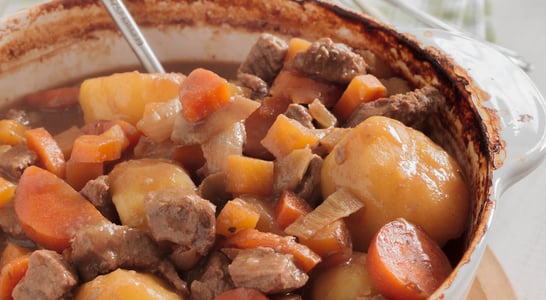
Global Scouse Day
A cherished culinary tradition, warm and hearty, born from the heart of a vibrant city, nourishing body and soul through generations.
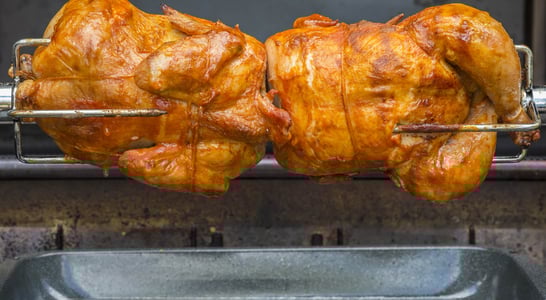
National Rotisserie Chicken Day
The rotisserie chicken is an inexpensive, hassle-free way to make a delicious lunch or dinner. Go out and buy one, and forget about cooking for one night.
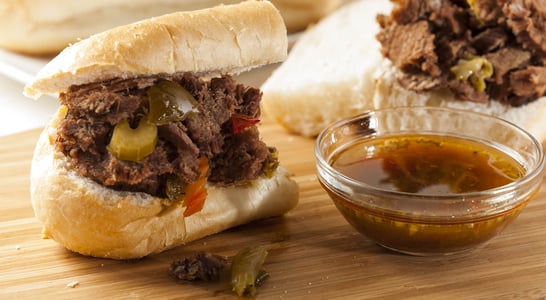
Italian Beef Week
What's better than sinking your teeth into a juicy sandwich piled high with tender beef, topped with sweet peppers?