
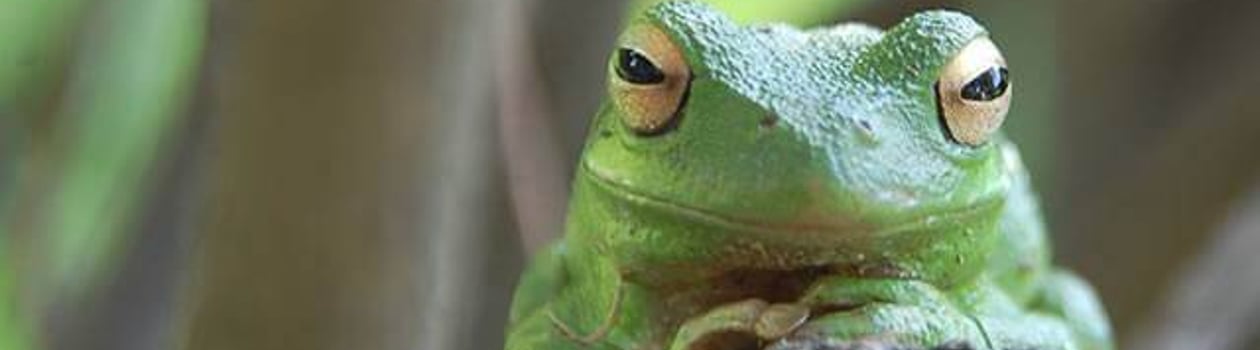
National Frog Jumping Day leaps into our calendars every year as a day filled with fun and jumps, celebrating a unique blend of literature, nature, and a bit of whimsy.
This special day originates from Mark Twain’s first published story, “The Celebrated Jumping Frog of Calaveras County,” which introduced the world to a frog-jumping contest that captured the imagination of many.
National Frog Jumping Day Timeline
Mark Twain’s Famous Frog Tale Is Published
“The Celebrated Jumping Frog of Calaveras County” appears in the November 18 issue of The New York Saturday Press, becoming Mark Twain’s first major literary success and popularizing the idea of competitive frog jumping.
First Calaveras County Frog-Jumping Contest Is Held
Inspired by Twain’s story, residents of Calaveras County, California, stage an organized frog-jumping contest that evolves into a local tradition and anchors frog jumping in American popular culture.
Jumping Frog Contest Joins the County Fair
The Calaveras County Fair formally incorporates the frog-jumping contest into its annual festivities in Angels Camp, helping to standardize rules and drawing visitors from across the United States.
Record-Breaking Leap by “Rosie the Ribeter”
At the Calaveras County Jumping Frog Jubilee, a frog named Rosie the Ribeter sets a contest record with a three-jump distance of 21 feet 5¾ inches, showcasing the remarkable athleticism of frogs.
Study Reveals Power of Frog Jumping Mechanics
Biologists publishing in Nature analyze frog jumping and show how elastic energy stored in tendons allows frogs to generate powerful leaps, deepening scientific understanding of their locomotion.
Research Links Frog Jumping Ability to Muscle Physiology
A study on bullfrogs in The Journal of Experimental Biology examines how muscle power output and tendon recoil contribute to jump distance, connecting classic frog-jumping feats to measurable biomechanics.
South African Sharp-Nosed Frog’s Extraordinary Leap Highlighted
Comparative biomechanics work and popular summaries draw attention to the South African sharp-nosed frog (Natalobatrachus bonebergi), noting its ability to jump more than 40 times its body length and ranking it among the best vertebrate jumpers.
How to Celebrate National Frog Jumping Day
To celebrate National Frog Jumping Day with a mix of whimsy and education, consider these playful suggestions:
Host Your Own Frog Jumping Contest
Gather some friends and their pet frogs to see which amphibian can leap the furthest. It’s not just for fun; it’s a leap into science.
Dive into Literature
Revisit or discover Mark Twain’s “The Celebrated Jumping Frog of Calaveras County” for the first time. This story sparked the whole idea and brings a touch of classic American humor to your day.
Froggy Cupcake Making
Whip up a batch of cupcakes and decorate them to look like adorable frogs. Use green frosting, candy eyes, and marshmallows to bring these treats to life. It’s a creative and tasty way to celebrate.
Leapfrog and Hopscotch
Engage in some outdoor fun with classic games like Leapfrog or Hopscotch. It’s a great way to get moving and enjoy the spring weather. Jumping jacks, rope skipping, or setting up a mini hurdles course are excellent ideas.
Frog-Themed Reading
For the little ones, reading books about frogs can be both educational and entertaining. There’s a wealth of children’s literature focusing on these amphibians, from their life cycles to their diverse habitats.
Seek Real Frogs
Embark on a nature hike to a nearby pond or wetland to spot frogs in their natural environment. Observing these creatures in the wild can be a fascinating and educational experience for both children and adults.
Get Artistic
After learning about frogs, encourage kids to draw or paint what they’ve discovered.
Why Celebrate National Frog Jumping Day?
Why celebrate frogs, you might wonder? Well, frogs are not just amazing jumpers; they play a crucial role in our ecosystems. They help control insect populations and serve as food for other animals, maintaining a natural balance. Plus, their jumping abilities are fascinating.
Did you know the South African sharp-nosed frog can leap over 130 inches, nearly 44 times its body length? That’s a feat that inspires both awe and celebration.
National Frog Jumping Day is more than just fun and games. It’s a nod to our childhood curiosities and a day to learn more about these incredible creatures! It’s also a chance to dive into the literature that sparked this celebration, reminding us of the stories that shape our understanding and appreciation of the world around us.
So, on this day, whether you’re hosting a frog jumping contest, reading Twain’s iconic story, or simply enjoying the wonders of nature, you’re part of a tradition that celebrates the small leaps that make life interesting.
History of National Frog Jumping Day
National Frog Jumping Day has its roots in a charming blend of literature and tradition. The story that sparked this whimsical holiday is “The Celebrated Jumping Frog of Calaveras County,” penned by Mark Twain in 1865.
Twain’s tale is about a man named Jim Smiley who bets on a frog’s jumping ability, only to discover that not everything goes as planned. This story, with its mix of humor and unexpected outcomes, led to the creation of a day dedicated to frog jumping, embracing the spirit of fun and competition.
The actual event that further solidified this tradition is the Calaveras County Fair and Jumping Frog Jubilee, first held in 1893 in Copperopolis, California.
Here, participants engage in frog jumping contests, a direct nod to Twain’s story. This jubilee has grown in popularity, drawing attention to the remarkable jumping abilities of frogs, with one record-breaking leap reaching over 21 feet by a frog named Rosie the Ribeter in 1986.
National Frog Jumping Day is more than just contests. It’s a day that brings people together to appreciate the joy and curiosity sparked by frogs.
Whether through hosting competitions, reading Twain’s influential story, or simply learning more about these fascinating creatures, the day offers a playful pause to celebrate the natural world. It’s a moment to acknowledge frogs’ important role in our ecosystems and revisit our sense of wonder and childhood adventures.
Facts About National Frog Jumping Day
Frogs’ Powerful Legs Work Like Biological Catapults
Biomechanical studies show that many frog species store energy in elastic tendons in their hind legs, then release it explosively to power their jumps, functioning much like a catapult.
High-speed video research has found that in some frogs, the tendons recoil faster than the muscles can contract, allowing them to leap far greater distances than muscle power alone would predict.
Some Frogs Can Leap More Than Twenty Times Their Body Length
Field and laboratory measurements have documented that certain small frog species, such as the Cuban tree frog and various ranid frogs, can routinely jump more than 20 times their body length, placing them among the best jumpers in the vertebrate world.
Comparative studies have linked this extreme performance to long hind limbs, lightweight bodies, and specialized pelvic structures.
Amphibians Are Considered “Canaries in the Coal Mine” for Ecosystems
Conservation biologists often use frogs and other amphibians as indicator species because their permeable skin and dual life on land and in water make them especially sensitive to pollutants, habitat loss, and climate change.
Large-scale assessments led by the International Union for Conservation of Nature (IUCN) have found that around 40 percent of amphibian species are threatened with extinction, signaling broader environmental stress.
Frogs Provide Natural Pest Control Worth Billions to Agriculture
Research on rice paddies, orchards, and other croplands has shown that frogs consume vast numbers of agricultural pests, including mosquitoes, beetles, and leafhoppers.
Studies in Asia and North America estimate that amphibians can significantly reduce insect damage and the need for chemical pesticides, indirectly supporting crop yields and saving farmers money.
The Global Amphibian Decline Was First Recognized in the 1980s
Herpetologists began noticing simultaneous, unexplained disappearances of frog populations on different continents in the 1980s, even in protected habitats.
Follow‑up research in the 1990s linked many of these sudden declines to the spread of the chytrid fungus Batrachochytrium dendrobatidis, which attacks amphibian skin and has since been implicated in the decline or extinction of hundreds of frog species worldwide.
“Jumping Frog” Was Mark Twain’s First Major Literary Success
“The Celebrated Jumping Frog of Calaveras County” was first published in 1865 in The Saturday Press and quickly reprinted across the United States, helping to launch Mark Twain’s national reputation.
The story’s blend of Western tall tale, deadpan humor, and vernacular speech marked a shift toward a more distinctly American literary voice that later influenced writers from William Dean Howells to Ernest Hemingway.
A Real California Festival Has Measured Record-Breaking Frog Jumps
At the Calaveras County Fair & Jumping Frog Jubilee in California, organizers keep detailed records of competitive frog jumps, with measurements taken from the starting point to where the frog lands after a series of three consecutive jumps.
The official record, set in 1986 by a frog named Rosie the Ribeter, is 21 feet 5.75 inches, a distance that rivals or exceeds any scientifically documented frog jump under controlled conditions.
National Frog Jumping Day FAQs



You may also like
Save The Frogs Day
Frogs are crucial to our ecosystem, keeping bug populations down and preventing disease. But many species are already endangered, so join the fight to save them.
- Australia
- Brazil
- Canada
- and 4 more

National Frog Month
Frogs don’t get much attention—until something goes wrong. That’s what National Frog Month is here to change. These small, bug-eating creatures keep pests under control without chemicals or machines. One frog can eat hundreds of insects in a single night. They’re quiet workers, but the food chain leans on them...
- United States
World Frog Day
If you wondered why frogs have a special day, it's because they truly deserve one. These little creatures do big things in nature. They help keep bug numbers in check and give clues about the health of rivers, lakes, and forests. Frogs live in many places, from deep rainforests to...

National Jump Out Day
National Jump Out Day, celebrated annually, sparks a wave of fun and excitement as people come together to jump and enjoy this physical activity. This special day encourages everyone to step outside and engage in various jumping exercises. It's not just about jumping high or far but enjoying the process...
- Australia
- International
- United States
National days and holidays on May 13

Cannes Film Festival
The Cannes Film Festival is one of the most glamorous and important events in the film industry. Held annually in the beautiful city of Cannes on the French Riviera, this festival draws the biggest names in cinema, from directors to actors. The red carpet is a dazzling display of style...
- France

World Cocktail Day
Host or attend a cocktail party and try out some new flavors, or perfect your hand at mixing any number of drinks, from a White Russian to a classic Cosmo.
- Australia
- Canada
- United Kingdom
- and 1 more

National Stationery Week
Sharpen your pencils and break out your fine pens, and take this excuse to use some fancy stationery. Write a loved one, find a pen pal, or even make your to-do list.

Top Gun Day
Host a watch party, with costumes and topical games, or simply gather your friends to watch the 1986 Tom Cruse classic Top Gun and its sequels.
- Australia
- Canada
- United Kingdom
- and 1 more
Seize Every Day
Join free for personalised recommendations, email reminders and exclusive guides. Never miss a day.