National Fruit Compote Day
With a burst of natural sweetness, this delightful mix of fruits cooked to perfection promises a fruity explosion that tantalizes taste buds.
If you’ve got a sweet tooth, you’re probably a fan of the fruit compote. A delicious mixture of fruits or berries and sugar, the compote brings a punch of flavor to greek yogurt, a fruitful ending to a full course meal, or a sweet addition to your morning cereal. And on March 1st, if you ever needed an excuse to start your day with a mixture of sugar and fruits, then here it is!
National Fruit Compote Day Timeline
Medieval period (12th–15th centuries)
Fruit “compositum” in early European cookery
Medieval European cooks develop sweet fruit stews called compositum, precursors of compote, as a way to serve and preserve fruit with sugar or honey.
15th century
Compote appears in late medieval German recipes
Food historian Hans Wiswe records several 15th-century German recipes for compositum, including pear preparations with sugar, cinnamon, and wine that resemble later fruit compotes.
17th century
French compote becomes a named dessert
In France, “compote” emerges as a distinct dessert of whole or cut fruit gently cooked in sugar syrup, reflecting humoral medical beliefs that such mixtures balance moisture in the body.
17th–18th centuries
Compote took its place in formal European dining
Across early modern Europe, compote was served at the beginning of the final course with potage, and later chilled at the very end of grand Renaissance and Baroque feasts.
18th–19th centuries
Compote spread into Jewish home cooking
Because it was inexpensive, flexible, and usually dairy-free, fruit compote became a staple of Ashkenazi Jewish kitchens in Europe, often accompanying breads, porridge, and Sabbath meals.
1876
Compote enters English-language cookbooks
English writer Mary Hooper includes a tomato compote in her 1876 cookbook “Little Dinners,” showing that the compote technique has broadened beyond fruit desserts into savory dishes.
20th century
Compote became an everyday topping and a preserve
With commercial sugar widely available, European households and manufacturers popularized fruit compote as a ready topping for yogurt, puddings, and cakes, distinct from smooth fruit sauces and jams.
History of Fruit Compotes
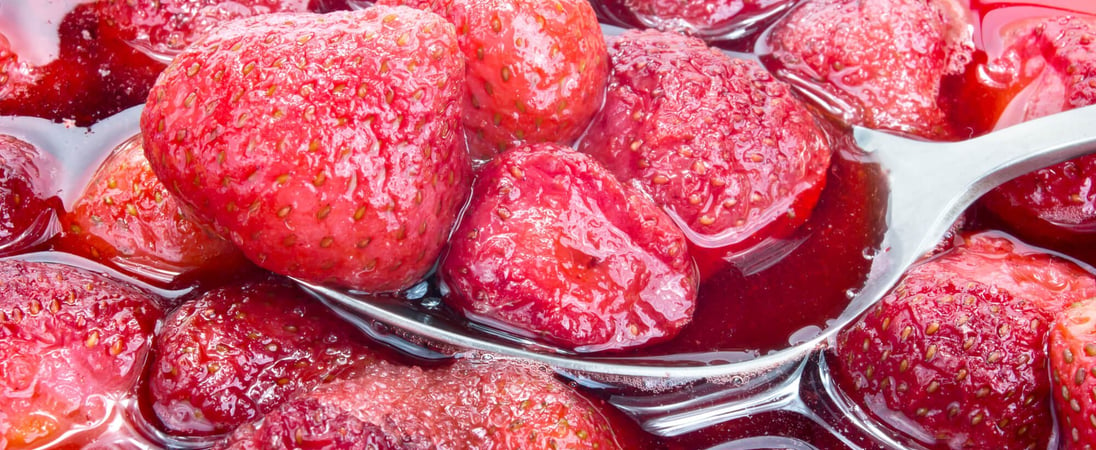
A fruit compote is a simple treat. It is technically a fruit sauce, made with fresh or frozen fruit chunks and sugar. The sugar is cooked on the stove to make a syrup, and the fruit is added in and warmed until the two mix together to create a syrupy sweet sauce. The sauce has a variety of uses, such as toast spread, in smoothies, on top of cakes or waffles, or into granola.
Food historians credit the dish’s original origin to France. The dish was originally served by itself in 17th century France as a dessert item. Interestingly enough, the dessert was originally created for its supposed health benefits.
The idea was that this dessert, or fruits cooked in any syrup, balanced out the effects of humidity in the body. The dessert was treated as a health remedy originally but eventually was served for pleasure as a dessert.
As the dish entered the medieval era, it was served at the beginning of the final course at a feast, usually with a potage, or a creamy vegetable and grain soup. Compote then became a staple dish in all feasts! In the Renaissance period, the compote was served cold in a dish to signal the end of a feast.
Since the meal was easy to prepare, did not cost much, and could be greatly varied based on the type of fruit, it became a staple throughout Jewish homes in Europe. The item was served at Jewish meals on toast, in yogurts, and creams.
Today, many countries serve compote instead of whole fruits and vegetables. Vegetable compotes are often served as soups, dips, or spreads. Fruit compotes are often used as toppings or desserts. Today, some of the most prolific compote recipes come from Germany, Holland, Belgium, Scandinavia, and France.
History of National Fruit Compote Day
Exactly when National Fruit Compote Day started being observed isn’t clear, but the food item is celebrated has been around for donkey’s years. The word ‘compote’ is from the French language, meaning a mixture.
With no dairy ingredients, fruit compote became a popular staple cuisine in Europe – but you will often find it served with yogurt or whipped cream. Many people who observe a dairy-free diet will also freeze fruit compotes in containers and eat this as a dairy-free ice cream substitute!
Fruit compote also goes well with cakes and biscuits, often serving as the fruity part of homemade cheesecakes. Pouring it over granola and cream also makes it the perfect end to a full course meal.
How to celebrate National Fruit Compote Day
If you’re feeling a bit handy in the kitchen, cooking up some fruit compote of your own isn’t too hard to do at all. Just choose your favorite berries and fruits, and boil them in water with plenty of sugar and spices. To give it some extra flavor you can add vanilla to the syrup, or drop in some orange peel or cinnamon sticks while it’s boiling. Dropping in some grated coconut will give your creation a little something extra.
Consider also trying a compote-based recipe, such as using compote to make frozen fruit popsicles, or mixing compote into ice cream to make a thickened frozen fruit treat! Make a simple compote to put into other treats.
Try topping your toast, cereal, granola, yogurt, or ice creams with this sweet spread, and you may just find your new favorite treat! If you want to eat it hot, try baking a cake or cupcake, and then filling or topping it with warm fruit compote!
If you’re in the mood for something a little boozy, one traditional recipe sees the syrup made with wine, but you could just use dried fruits soaked in alcohol if you wish. Some recipe variations call for wine, rum, or tequila to create a tangy flavor mixed with sweetened sugary fruit. You can either soak the fruit in alcohol for a few days to soak up the flavor, or you can mix the alcohol in at the cooking stage for a sharper flavor!
Looking for a creative way to get your daily serving of fruits? Don’t like eating fruits whole? There’s no better way to get your “five a day” than with a tasty treat like this, so give fruit compote a try today and join many others across the world observing National Fruit Compote Day.
National Fruit Compote Day FAQs
Is fruit compote the same as jam or preserves?
Fruit compote is different from jam or preserves because it is cooked briefly and meant to be eaten within a few days, while jam and preserves are cooked longer to achieve a gel-like texture and are designed for long-term storage.
Compote usually has larger, distinct pieces of fruit in a light syrup, and it is not processed in jars for canning the way traditional preserves are. [1]
How is fruit compote used in traditional Jewish cuisine?
In many Ashkenazi Jewish families, fruit compote made from dried fruits such as prunes, apricots, and apples is a familiar dish at Sabbath and holiday meals, including Passover.
It is often served chilled as a light dessert or side dish because it contains no dairy, fits kosher meat meals easily, and can be prepared in advance using inexpensive pantry ingredients. [2]
What is the difference between fruit compote and Eastern European kompot?
Fruit compote is a dessert of whole or chopped fruit served in its own syrup, while kompot is a sweet beverage made by simmering fruit in water and then drinking the liquid, often chilled.
With kompot, the infused liquid is the focus, and the fruit is sometimes discarded or eaten separately, whereas with compote, the fruit pieces themselves are the main part of the dish.
Are there any nutritional advantages or disadvantages to eating fruit as compote instead of fresh?
Fruit compote still provides vitamins, minerals, and fiber from the fruit, but the cooking process can reduce heat‑sensitive nutrients such as vitamin C and often involves adding sugar, which increases calories without adding many nutrients.
Nutrition experts generally recommend viewing compote as an occasional sweet dish rather than a direct substitute for whole fresh fruit, especially for people who need to limit added sugars. [3]
How long can homemade fruit compote be safely stored?
Food safety guidance for cooked fruit dishes suggests that homemade compote should be cooled quickly, refrigerated within two hours of cooking, and used within about a week.
It should be stored in a clean, covered container, and any compote that shows signs of mold, off‑odors, or fermentation should be discarded rather than tasted. [4]
Can fruit compote be made with less sugar or alternative sweeteners?
Cooks can reduce the sugar in compote recipes or use alternatives such as honey, maple syrup, or nonnutritive sweeteners, but lower sugar levels may shorten the storage life because sugar helps inhibit microbial growth.
Professional recipe developers advise adjusting sweetness gradually and relying more on naturally sweet fruit, spices, and a bit of acid, such as lemon juic,e to keep flavor balanced when cutting back on added sugar.
Why did European cooks historically simmer fruit in sugar syrup for compote?
Historically, European cooks simmered fruit in sugar syrup to create a dessert that showcased seasonal or dried fruit while also taking advantage of sugar’s preservative effect.
Before refrigeration, the combination of heat and high sugar concentration helped slow spoilage by drawing water out of microbes, so compote offered both a pleasant end to the meal and a way to extend the usable life of fruit for a short period. [5]
Also on ...
View all holidays
National Barista Day
They create magic in a cup, transforming simple beans into a delicious pick-me-up. From latte art to custom blends, they're the coffee wizards!

Share a Smile Day
Spreading happiness with a simple, friendly expression, lighting up someone's day with warmth and positivity.

St. David’s Day
Embracing traditions with daffodils and lively festivities — a celebration weaving Welsh culture into joyous community gatherings.

International Wheelchair Day
Honoring the vitality of those who rely on wheelchairs, acknowledging resilience, and fostering inclusivity in communities.
We think you may also like...
National Cranberry Relish Day
That zesty, tangy burst of flavor, a delightful companion to turkey, bringing a pop of taste to every Thanksgiving feast.

National Banana Lovers Day
Slice them onto cereal or toast, bake them into bread, or just enjoy a potassium-rich banana straight from the peel for a quick, easy, healthy and cheap snack.