
Everyone needs a little unstructured fun in their day, and Fun Day is perfect for having time dedicated to exactly that. It gives everybody the chance to unwind, relax, and get a little silly, released from the confines of orderly school and work routine to remember what life is supposed to be all about.
In today’s high-speed world, with its constant pressure to go farther, get more done, be more productive, and climb in our career, having a little fun often goes by the wayside. The stress of this lifestyle has been shown to have a constant and growing negative effect on the overall health of people.
Fun Day is a reminder to break the stressful line of day to day living, and to go out and have some Fun!
How to Celebrate Fun Day
To start with, the very point of the day is to have fun. Yet, fun means different things to different people and what someone might love to do to have may not appeal to others. But this, in itself, is the entire reason for Fun Day!
Have Loads of Fun
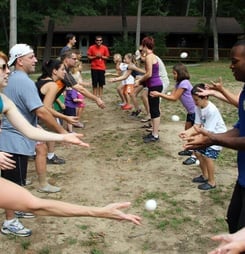
No matter what people want to do, they can do it. Go for a walk, have a water fight, set up a neighborhood competition to find the Best of the Best. Conversely, sit at home in the back garden with friends, family, pets, and a couple of cold drinks and hot food and enjoy the day; however it suits you.
And this, really, is the beauty of such a day. While there are still societal rules to abide by, you can’t go around acting as if it is the end of days everyone is still able to take advantage of what’s on offer, however you want to celebrate it.
Live Longer with More Fun
Treat the family, treat friends, or treat yourself. The world is full of fun things to do, no matter how you decide to spend your time. Fun Day is not merely about having fun, though, but also clearing your mind, feeling refreshed, and improving your health to take on the rest of the year, through vacations, meetings, deadlines, and all that boring stuff, with more vim and vigor than you knew you had.
We all want to live longer, and who can blame us? Well, if you’re looking for a great way to extend your life and improve your health, guess what’s a proven way to do that? Get out and have some fun, and try to keep your mind in a positive attitude. Doing so can add up to eight years to your life, just by making sure you keep your mind off of stressful things and getting out to have a little Fun now and then!
Invite Others to Have Fun
Whether it’s arranged weeks or months in advance or is a spontaneous on-the-day celebration, you and your favorite people in the world can get together and enjoy something other than the doom-and-gloom of the daily news cycle. In fact, it might be worth switching your cell phones off and escaping from the world for the day, just to make your Fun Day that little more unique and free.
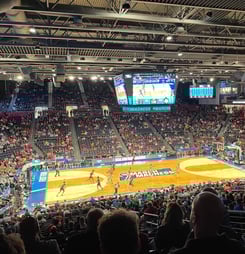
A life without Fun is one hardly worth living, so use Fun Day to get out and have a fantastic time. Get together with friends, get yourself to the movies, or out on the golf course. All of these will lead to a longer, happier life for you and those you bring with you. Fun Day may only come once a year, but don’t let it be the only day of the year you have fun on!
Fun Day Timeline
Greek Philosophers Debate the Value of Play
Plato and Aristotle describe play and leisure as essential for learning, virtue, and a well‑lived life, helping to frame “fun” as something more than idle distraction.
Lake Compounce Begins Organized Public Amusements
Lake Compounce in Connecticut starts as a lakeside picnic and recreation area and later evolves into the oldest continuously operating amusement park in North America, showing early commercialization of fun.
World’s Columbian Exposition Popularizes Mass Leisure
Chicago’s World’s Fair introduced the Midway Plaisance, including the first Ferris wheel and other attractions, helping to establish the model of large‑scale, paid entertainment focused on fun.
Coney Island’s Luna Park Opens
Luna Park opens at Coney Island in New York, turning electric lights, thrill rides, and spectacles into an immersive fantasy world and cementing amusement parks as destinations built purely for fun.
U.S. Fair Labor Standards Act Creates the Modern Weekend
Federal law limits the workweek and restricts child labor, helping to normalize shorter hours and regular days off, which expand the time working families can devote to leisure and playful activities.
Disneyland Redefines Family Fun
Disneyland opens in Anaheim, California, as the first modern theme park, offering carefully designed “lands” of shared stories and rides that reshape expectations of clean, safe, family‑oriented fun.
Study Links Enjoyable Leisure to Better Health
A Johns Hopkins–affiliated study finds that people engaging in more enjoyable leisure activities show lower blood pressure, lower cortisol, and better psychological functioning, tying fun directly to health.
History of Fun Day
Shaking off this stress allows everyone to slow down and take a break. Whether it’s for a few minutes or a few hours on Fun Day, people will feel refreshed and relaxed, with more energy to carry on with the rest of their day, whether they want to engage in more Fun or need to get back to the dull humdrum of day-to-day existence.
By seeking out Fun and improving your health, you’ll soon be able to take part in more exciting activities. Even if, right now, you’re only ready to tip your toes in the energy of Fun Day, the more you get involved, the more it will help people feel, and it could be that even those with the most extensive resistance to Fun Day will be running things next time around.
This is what makes having fun so addictive. It’s enchanting, enamoring, and even if it feels elusive at first, it doesn’t take long to get dragged into the celebrations and feel a little, or even a lot, better about yourself, each other, and the world around us all.
Having Fun is a proven way to make sure you have the opportunity to have more fun later, more often. Stress has negative effects on your immune system, making it easier to get sick and making you stay sick longer.
By going out and having Fun, you can reduce your stress level and help bolster your immune system. For you workaholics out there, this means that by slowing down and having fun, you’ll also have more days to work in by making sure you have fewer sick days, and who couldn’t use that?
Getting rid of stress will also help make a more effective, positive, and memorable first impression (for all the right reasons), especially for anyone who is starting a new job or given more responsibility.
Knowing those first impressions can’t be redone, Fun Day also reminds us that stress has a dramatic effect on our appearance. Skin becomes more sallow, acne outbreaks more frequently, and it becomes harder and harder to get rid of those bags under your eyes if you’re stressed all the time.
After all, high-stress levels lead to not sleeping as deeply or as long, with insomnia being a major side-effect of having stress, and nothing makes someone look and feel better than a good night’s rest!
Fun also gives you a significant boost to your mood; every time you smile or laugh, you get a boost of endorphins. Endorphins are one of those chemicals the body releases that make you feel confident and satisfied with life in general.
While you can get a similar effect by eating chocolate, just getting out and having a good time will boost your emotional state without increasing your waistline with it!
Fun also helps create bonds between people in a social environment. Nothing brings people and loved ones together like having a good time.
There is little in our lives that isn’t improved by having fun with a group, whether as part of a BBQ, a night out at the movies, or just getting together and kicking around a ball. If you find your life lacking in Fun, make it a priority to go out and participate in things you enjoy that aren’t all centered on work.
Playful Leisure Supports Health, Resilience, and Everyday Well-Being
Enjoyable leisure activities play an important role in both physical health and emotional well-being.
Research shows that playful hobbies, social fun, and relaxing pastimes can lower stress, support resilience, and even influence physical indicators such as blood pressure and body weight.
Historical changes in working hours also helped create more space for recreation in daily life. These facts highlight how fun and leisure can contribute to a healthier and more balanced lifestyle.
Playful Leisure Can Lower Blood Pressure and Waistlines
A large study of more than 1,400 adults found that people who frequently engaged in enjoyable leisure activities, such as hobbies, games, or social fun, had lower blood pressure, a lower body mass index, and a smaller waist circumference than those who did not, even after accounting for age and income.
Unstructured Play Helps Adults Build Emotional Resilience
Research on “emerging adults” shows that time spent in playful activities is linked to higher emotional intelligence and greater resilience, suggesting that making room for carefree fun can improve how people handle stress and setbacks in daily life.
Leisure Time Became Possible Only After Work Hours Fell Sharply
In the United States, average manufacturing workweeks dropped from about 66 hours in 1860 to roughly 50 hours by 1900, a shift historians credit with helping to create modern adult leisure culture, including club games, picnics, and social outings simply for fun.
Fun Activities Can Act as a “Stress Buffer” in the Body
Across a diverse sample, adults who reported higher levels of enjoyable leisure time not only felt better psychologically but also showed lower levels of stress-related markers and better overall cardiovascular function, suggesting that fun can physically buffer the impact of chronic stress.
Playful Moments Improve Mood and Focus Beyond the Activity Itself
In experiments tracking people through their day, those who engaged in leisure activities reported lower stress, better mood, and a lower heart rate during the activity, and these benefits continued afterward in the form of higher levels of life satisfaction and greater psychological engagement.
Having a Hobby Is Tied to Sharper Thinking and Better Mental Health
Medical researchers report that adults who regularly pursue hobbies, from crafts to sports to music, show better cognitive performance, reduced symptoms of depression and anxiety, and a stronger sense of purpose and life satisfaction than those without a regular fun pursuit.
Playfulness in Adulthood Supports Social Connection and Well‑Being
Psychologists studying adult playfulness have found that playful people tend to have stronger social ties, more satisfying relationships, and higher overall well-being, in part because shared fun encourages laughter, cooperation, and emotional openness with others.