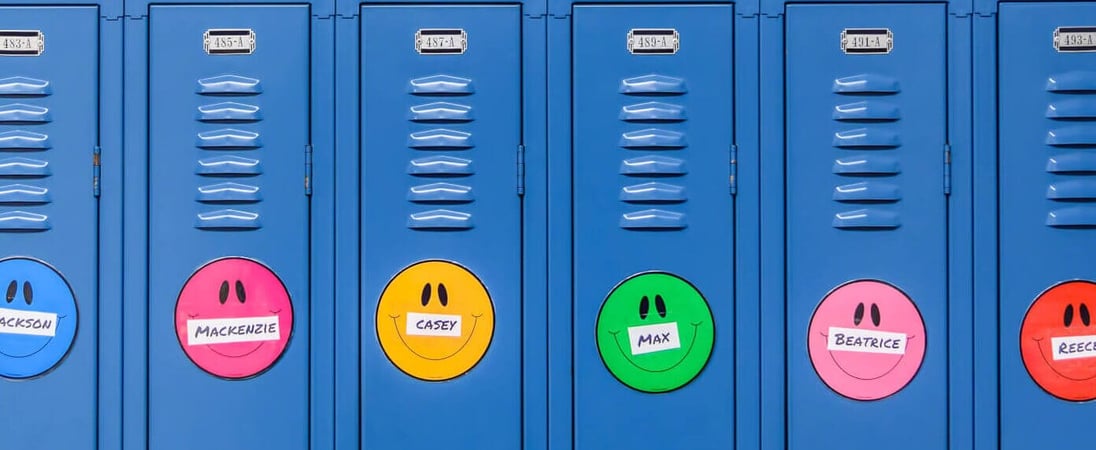
Fun Facts About Names Day
Ever wondered about the tales behind monikers? Stories as diverse as the names themselves, revealing family legacies, cultural influences, and more.
Let’s dive into a topic that’s as unique as a fingerprint and as familiar as a signature: Fun Facts About Names Day. Names are the tiny words people carry for a lifetime, yet they hold surprising weight, history, and personality.
This is a day for swapping stories, spotting patterns, and appreciating how something as simple as a name can contain family ties, cultural roots, and a little bit of fun.
It’s like throwing a party where every name is the guest of honor. This special day rolls around on the first Monday of the first full week in March, landing during Celebrate Your Name Week, a wider stretch of name-focused observances that encourage people to look a little closer at what they’re called and why.
But why do we celebrate this quirky day, you might wonder? Well, it’s all about digging into the fascinating world of names, also known as onomastics, the study of names and naming.
A name is not just a label for a roll call or an email address. It can be a clue about language, migration, belief systems, popular culture, and even the era someone was born in.
Each name has its own backstory, meaning, or even a dash of mystery. Some names are straightforward words that became names over time, like “Rose” or “Hunter.”
Others are older than modern spelling itself, traveling through languages and centuries, picking up new pronunciations and variations along the way. Some are invented, blended, or borrowed from fictional worlds, and plenty are family names turned first names, chosen as tributes.
On Fun Facts About Names Day, people are encouraged to explore these tales. It’s the perfect excuse to ask friends about their names or research one’s own. Think of it as a treasure hunt where a name is the map, and every clue reveals something about sound, meaning, or tradition.
Even “common” names have uncommon details, such as how they rise and fall in popularity or how different cultures create nicknames from them.
This celebration isn’t just for kicks; it helps people appreciate the diversity and richness of names from around the globe. Naming customs can reflect everything from nature and seasons to virtues, ancestors, geography, and faith traditions, but the day itself stays neutral and welcoming, focusing on curiosity rather than rules.
Whether a name is short or long, classic or modern, easy-to-spell or frequently mispronounced, it has a place in the world’s vast mosaic of identities.
So, on Fun Facts About Names Day, everyone gets a reason to celebrate the stories behind names. It’s a day to recognize that every name, much like every person, has its own flair and significance, and that learning about names is one of the easiest ways to learn about people.
Fun Facts About Names Day Timeline
3400–3000 BCE
Earliest Known Recorded Personal Name
Clay tablets from the Uruk period in ancient Mesopotamia record the name “Kushim,” likely that of an official involved in barley transactions, making it one of the oldest surviving individual names in written history.
3200–3000 BCE
Royal Names and Identity in Early Egypt
Early Egyptian rulers, such as Iry-Hor and Narmer, inscribed their names on pottery, seal impressions, and tombs, using hieroglyphs to connect personal names with kingship, religion, and the emerging state identity.
5th–4th century BCE
Philosophers Debated the Nature of Names
Greek thinkers such as Plato and Aristotle treat names as central to understanding language and reality, with works like Plato’s “Cratylus” exploring how names relate to the things they denote.
11th–15th centuries
Rise of Hereditary Surnames in Europe
Across much of Europe, descriptive bynames that once indicated occupation, origin, or parentage gradually solidified into hereditary surnames, helping distinguish individuals as populations grew and recordkeeping expanded.
1956
Launch of the Scholarly Journal “Names”
The American Name Society began publishing “Names,” one of the first English-language journals devoted entirely to onomastics, giving researchers a dedicated venue to share studies of personal and place names.
History of Fun Facts About Names Day
Let’s dive into a topic that’s as unique as a fingerprint and as familiar as a signature: Fun Facts About Names Day. Names are the tiny words people carry for a lifetime, yet they hold surprising weight, history, and personality.
This is a day for swapping stories, spotting patterns, and appreciating how something as simple as a name can contain family ties, cultural roots, and a little bit of fun.
It’s like throwing a party where every name is the guest of honor. This special day rolls around on the first Monday of the first full week in March, landing during Celebrate Your Name Week, a wider stretch of name-focused observances that encourage people to look a little closer at what they’re called and why.
But why do we celebrate this quirky day, you might wonder? Well, it’s all about digging into the fascinating world of names, also known as onomastics, the study of names and naming. A name is not just a label for a roll call or an email address. It can be a clue about language, migration, belief systems, popular culture, and even the era someone was born in.
Each name has its own backstory, meaning, or even a dash of mystery. Some names are straightforward words that became names over time, like “Rose” or “Hunter.”
Others are older than modern spelling itself, traveling through languages and centuries, picking up new pronunciations and variations along the way. Some are invented, blended, or borrowed from fictional worlds, and plenty are family names turned first names, chosen as tributes.
On Fun Facts About Names Day, people are encouraged to explore these tales. It’s the perfect excuse to ask friends about their names or research one’s own.
Think of it as a treasure hunt where a name is the map, and every clue reveals something about sound, meaning, or tradition. Even “common” names have uncommon details, such as how they rise and fall in popularity or how different cultures create nicknames from them.
This celebration isn’t just for kicks; it helps people appreciate the diversity and richness of names from around the globe. Naming customs can reflect everything from nature and seasons to virtues, ancestors, geography, and faith traditions, but the day itself stays neutral and welcoming, focusing on curiosity rather than rules.
Whether a name is short or long, classic or modern, easy-to-spell or frequently mispronounced, it has a place in the world’s vast mosaic of identities.
So, on Fun Facts About Names Day, everyone gets a reason to celebrate the stories behind names. It’s a day to recognize that every name, much like every person, has its own flair and significance, and that learning about names is one of the easiest ways to learn about people.
How to Celebrate Fun Facts About Names Day
Celebrating Fun Facts About Names Day can be a blast with simple, engaging activities that fit different personalities. Some people love deep research; others prefer quick games or creative projects.
The best part is that names are everywhere, so the day can be celebrated at home, at work, in a classroom, or with friends online.
Start a name story swap
Bring together friends, family, or coworkers and trade the stories behind your names. A few well-chosen prompts help everyone jump in, even people who have never asked about their own naming history.
You might start with questions like:
- Who picked the name, and what other names were considered?
- Was there a tradition involved, such as honoring a grandparent or repeating an initial?
- Is there a nickname, and who started using it first?
- Has the spelling or pronunciation ever changed over time?
It feels a bit like storytime, but with a personal angle. Often the most amusing details are the practical ones: a name chosen because it fit neatly on paperwork, sounded right with a sibling’s name, or avoided unfortunate initials.
Explore the research side
Dig into the meaning of a name using online resources or a local library. Many people are surprised to find that their name has multiple layers: a literal definition, a historical background, and a modern-day feel or usage.
Interesting angles to explore include:
- Root languages and early forms of the name
- Variations across different languages
- Regional pronunciation differences
- Common nicknames and diminutives
- How and where the name spread over time
For a deeper dive, try mapping out a whole “name constellation” by researching middle names, surnames, or the names of grandparents and great-grandparents. Patterns often emerge, such as repeated initials, virtue names, nature-inspired names, or names linked to places or historical figures.
Host a name-themed party
Invite guests to dress up as a well-known person who shares their name. It’s a lighthearted way to see how many namesakes appear in one room, and it works just as well with historical figures, musicians, athletes, authors, or fictional characters.
To keep things relaxed and inclusive, offer a few levels of participation:
- A full costume for those who want to go all in
- One signature item, like a hat, scarf, or glasses
- A simple name tag that reads, “Hi, I’m [Famous Name]”
For a playful extra, ask each guest to bring along one fun fact about their chosen namesake, such as what they’re best known for or why they stand out.
Make name art
Turn a name into a piece of art using its letters as the starting point. This can be done through drawing, painting, collage, or digital design. The goal is to let the name become something visual and expressive, not just words on a page.
Creative approaches include:
- Transforming each letter into an object that begins with that letter
- Building a word cloud of traits, interests, and favorite things around the name
- Illustrating the meaning of the name with symbols, animals, or colors that fit
- Designing a custom monogram from initials
This kind of activity also invites quiet reflection. It gives people space to think about how their name feels to them, what it represents, and what they’d like it to express about who they are.
Write a name poem
Challenge someone to write a poem where each line begins with a letter from their name, creating an acrostic. It can be heartfelt, playful, or a mix of both. For anyone who feels stuck, a simple structure makes it easier to start:
- Line 1: a personal trait
- Line 2: a favorite thing
- Line 3: something the person is proud of
- Line 4: a hope or goal
This works especially well in groups as a “poem exchange,” where each person writes a short poem for someone else based on what they admire about them. The name becomes a frame for thoughtful observation, not just a word game.
Share fun name facts on social media
Post a quick story or a surprising detail about a name. The posts that tend to resonate most are specific and personal, such as a newly discovered meaning, a family naming tradition, or a mispronunciation that turned into a long-running joke.
Content ideas to try:
- “My name is often shortened to ___, but my family calls me ___.”
- “I learned my name comes from ___ and originally meant ___.”
- “Here are three versions of my name in other languages: ___, ___, ___.”
- “My name twin is ___, and here’s why that makes me laugh.”
Using the hashtag #FunFactsAboutNamesDay can help people find each other, swap stories, and see just how imaginative and meaningful naming can be.
Organize a name trivia quiz
Put together a trivia game built around names from history, movies, music, sports, and literature. Keep the tone fun and accessible so everyone has a chance to shine, regardless of their interests or background. Mixing categories helps keep the energy up and the questions fresh.
Good category ideas include:
- Famous people who share the same first name
- Pen names and stage names
- Fictional characters and their full names
- Name meanings and common roots
- Surnames that later became first names
- “Guess the nickname”–style questions
To add a personal touch, include a round based on the group itself. This might involve matching middle names to people (only if everyone is comfortable) or guessing who comes from a family with a naming tradition. These moments often spark laughter and unexpected stories.
All of these activities offer simple, meaningful ways to celebrate the individuality of names and the stories behind them. Fun Facts About Names Day invites both playfulness and reflection.
One moment might be spent joking about tricky spellings or constant mispronunciations, and the next, feeling genuinely touched by a name chosen to honor someone, mark a moment, or express hope. Names may be small words, but they carry long histories—and this day gives them space to be noticed and appreciated.
Also on ...
View all holidays
Dr. Seuss Day
Celebrate a beloved author's whimsical tales, dive into colorful worlds of rhyme and imagination, and embrace the joy of reading.

National Egg McMuffin Day
Mornings are better with a certain golden arches menu item — the perfect breakfast sandwich that's crispy, juicy and easy to make at home.

We think you may also like...

Namesake Day
Discovering connections through shared names, it's like stumbling upon unexpected bonds that create a sense of camaraderie and uniqueness.
National Genealogy Day
Digging into family trees unveils a captivating journey through generations, offering insights into heritage and the lives of ancestors.