Good Hair Day
Healthy hair is happy hair! Give your locks the love they deserve and see the difference it makes in your confidence and style.
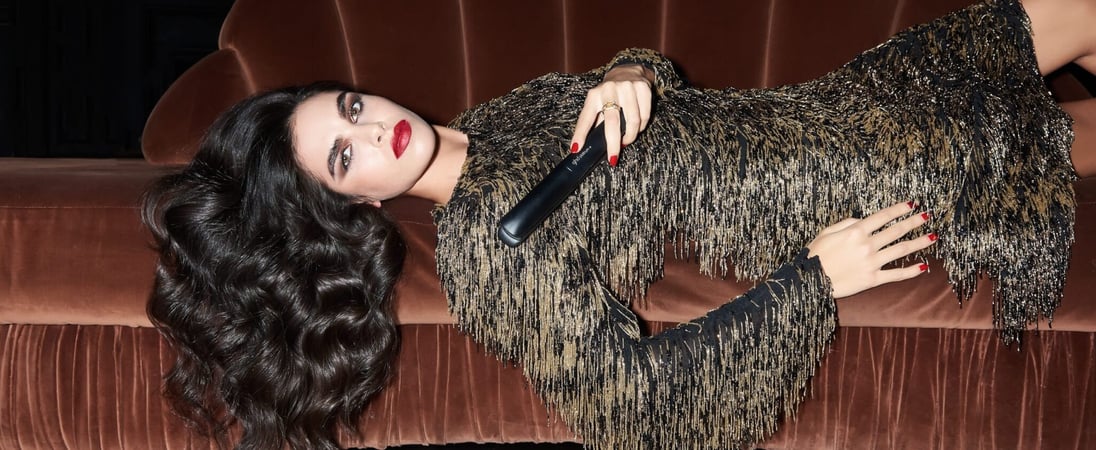
Don’t you wish every day was a good hair day? Well, cult haircare brand GHD has been working hard to make sure that happens. Now they’ve taken it one step further by dedicating a day to making women feel fabulous and empowered, with Good Hair Day taking place every spring. March is a great month to celebrate being a woman, with International Women’s Day also taking place on this day.
Good Hair Day is a day to make the most of one of your best assets, your hair. When your hair looks and feels good, it provides an instant confidence boost, which many people could do with on a daily basis.
A day for all women, no matter what their hair type and where they are, Good Hair Day is an exciting opportunity to celebrate the empowerment of women, and have a little fun too.
How to Celebrate Good Hair Day
A good hair day can make you feel empowered, confident and your best, brightest self. The best way to celebrate Good Hair Day is to do something to treat yourself and help you have a great day. There are several ways to get involved, meaning everyone can take part in marking this special day.
Try New Hair Products
No matter what your hair type or length, you can get involved in Good Hair Day. Getting involved can be as simple as using a new shampoo that leaves your hair smelling great! There are some wonderful products out there that can make a big difference to hair, and a beautiful new fragrance can certainly put a spring in your step.
Treat Yourself
Why not treat yourself to a hair mask to give your hair an extra bit of TLC? A hair mask can fight frizz, add moisture, repair damage and also leave your hair looking and feeling amazing. As an ideal pamper treat, a hair mask could be a great way to celebrate Good Hair Day.
Host a Good Hair Day Competition
Another fun way to get involved could be to organize a hair competition in your workplace, college or anywhere else where you’d like to celebrate some female empowerment. It doesn’t have to be a real competition if you don’t want it to be – just an excuse for everyone to get a bit dressed up and feel their best for the day. You could even ask everyone to make a small donation to charity as a way for everyone to help others at the same time.
Visit a Hair Salon
Booking a visit to the salon is another fantastic way to get involved in Good Hair Day. Nothing feels better than a fresh ‘do, so why not take the opportunity to have yours done on Good Hair Day? A simple blow-dry can also make a difference to how your hair looks, so a little treat could go a long way. You don’t need to have a big event planned to get your hair done, a bouncy blow-dry is ideal on any day!
Treat Someone
Of course, you could also treat someone else this Good Hair Day. If you know someone who deserves a treat, why not book them a visit to the salon or buy them some pampering hair treats? A simple gesture can go a long way to make someone’s day, especially if they’ve been having a tough time lately.
Enjoy a Hair Massage
A relaxing spa treatment could also be on the cards this Good Hair Day. An Indian Head Massage is the ideal way to relax, and you could even give yourself a massage at home as a Good Hair Day treat. A head massage can stimulate the hair follicles, promoting health and growth, making a regular head massage a must for your haircare routine.
Share Good Hair Day
You can also get involved via social media, sharing photos of your hair or sharing your top hair care tips. Whether you love to share photos on Instagram, join the conversation on Twitter or connect with family and friends on Facebook, you can get involved across any or all of your social media accounts. Use the hashtag to spread the word for others to get involved too!
Try a New Hairstyle
Good Hair Day is the perfect opportunity to do something different with your hair. Try out a new style or a new accessory and see if it could brighten your day. Why not try that hair care tip you’ve been reading about lately? Taking that little bit of extra time to pamper yourself in the morning will help you feel extra special, helping to lift your spirits and feel amazing that day. Who knows, it could even start some great new habits to make every day a Good Hair Day?
Celebrate Yourself
Good Hair Day is a fun opportunity to celebrate the best of women and take some time to celebrate yourself. It’s possible to get involved in even the smallest ways, doing what makes you feel great about yourself. No matter how you choose to get involved, take the chance to enjoy Good Hair Day and feel amazing both inside and out.
History of Good Hair Day
In 2001, three entrepreneurs from Yorkshire put a radical new hair styling product into the hands of women across the globe. With the respect and loyalty of an army of devoted stylists, ghd quickly developed a cult-like status nationwide.
Good Hair Day is a recent initiative created by hair tool brand GHD (a.k.a, Good Hair Day – see what they did there?). It’s a day to celebrate being a woman and helping women everywhere feel good about themselves.
Good Hair Day is a new day created to help women feel great about themselves. While all women should feel special and proud every day, Good Hair Day is the perfect reminder, especially if things haven’t been so great lately. Alongside International Women’s Day, having Good Hair Day in March gives several opportunities for women to celebrate themselves, and each other.
We all know that when your hair looks good, you feel good too – a reason why so many women treat themselves to a new hairstyle when they’re not feeling great. A good hair day can leave you feeling ready for anything, helping you to take on the world. By dedicating a day to good hair, everyone gets the chance to celebrate themselves.
Why a Good Hair Day Matters
Hair is more than just a style choice—it’s closely tied to confidence, mood, and even performance.
Research shows that how people feel about their hair can influence self-esteem, mental well-being, and daily effectiveness, highlighting the powerful connection between appearance, perception, and personal confidence.
-
Hair and Self-Esteem
Experimental and clinical research has found that hair appearance can meaningfully influence self-esteem and mood.
A study on the Hair & Scalp CARE questionnaire reported that improving hair and scalp condition was associated with increased confidence and self-esteem, while separate clinical work on alopecia shows that hair loss can trigger anxiety, depression, social withdrawal, and a diminished sense of identity, particularly for women and younger people.
-
“Bad Hair Days” and Cognitive Performance
Work by Stanford Graduate School of Business researchers found that when people believed they were having a “bad hair day,” they performed worse on cognitive tasks and reported lower self-confidence and higher self-consciousness.
The effect came not from actual appearance changes but from participants’ perceptions of their hair and attractiveness, suggesting that how people feel about their hair can measurably affect their mindset and performance.
-
The Invention of the Salon Hair Dryer
The first known salon hair-drying apparatus was created in France in the late 19th century by Alexandre F. Godefroy, who attached a client’s chair to a large hood connected to a gas stove flue.
This stationary machine, which surrounded the head with hot air rather than blowing it from a handheld device, became the ancestor of both hood dryers in salons and the domestic blow dryer that would follow decades later.
-
From Industrial Monster to Handheld Tool
Early electric hair dryers in the 1920s were heavy, metal devices that often overheated and delivered relatively weak airflow compared with modern tools. Handheld models produced by companies like Racine Universal Motor Company and Hamilton Beach typically weighed more than two pounds and could only generate about 100 watts, a fraction of the 1,500–2,000-watt output common in contemporary dryers.
-
Safety Rules That Changed Hair Styling at Home
By the late 20th century, accidental electrocutions from using hair dryers near water had become a recognized household hazard.
In response, U.S. safety regulators required the inclusion of immersion protection devices, such as ground-fault circuit interrupters (GFCIs), in new hair dryers starting in the early 1990s, a change credited with sharply reducing bathroom electrocution deaths related to these appliances.
-
Black Women’s “Hair Esteem” and Identity
Research on Black women’s experiences with hair has shown that embracing natural textures can be closely tied to higher self-acceptance and resistance to Eurocentric beauty norms.
A study summarized in Psychology Today cited work from Duke University indicating that identical résumés were evaluated differently depending on whether the applicant’s hair was natural and tightly coiled or straightened, underscoring how Black women’s hair can affect both self-esteem and how they are perceived professionally.
-
Hair as a Marker of Social Status Across History
Curators at the Metropolitan Museum of Art note that throughout history, women’s hairstyles have acted as visible markers of social position, age, and even political allegiance.
From towering powdered wigs in 18th-century Europe that signaled aristocratic rank to carefully arranged braids and head coverings in various cultures, hair has long served as a coded language through which women’s status, respectability, and conformity or rebellion could be read at a glance.
Good Hair Day FAQs
How does hair actually affect a person’s confidence and mood?
Research suggests that hair plays a surprisingly strong role in self-image. Experimental work linked “bad hair days” with lower performance, self‑esteem, greater self‑consciousness, and more negative views of personal intelligence and social ability.
Other studies on hair loss and hair satisfaction show that when people feel unhappy with their hair, they are more likely to report lower self‑esteem, greater body image dissatisfaction, and more symptoms of anxiety or depression.
Conversely, feeling satisfied with one’s hair tends to correlate with a more positive mood and greater confidence in social and professional situations. [1]
Is there any science behind the idea that styling tools can “ruin” a good hair day?
Laboratory studies of human hair fibers show that frequent use of high-heat tools can physically damage hair. Blow-dryers, straighteners, and curling irons at high temperatures create cracks and lifting of the cuticle (the outer layer of the hair shaft), weaken the internal keratin proteins, and make strands more prone to breakage and frizz.
Controlled experiments have found that repeated cycles of wetting and blow-drying or using irons at temperatures above about 180–200 °C can cause cumulative, often irreversible damage, which is why dermatologists typically advise limiting heat, using protectant products, and avoiding styling on very wet hair. [2]
What do dermatologists recommend for keeping hair healthy across different hair types?
Guidance from board‑certified dermatologists emphasizes tailoring care to hair type. The American Academy of Dermatology advises choosing products formulated for the hair’s texture (straight, wavy, curly, coily) and natural oiliness, cleansing mainly the scalp with shampoo, and adjusting wash frequency based on how oily or dry the scalp is.
People with straight or oily hair may shampoo more often, while those with very curly or coily hair often benefit from less frequent washing and heavier conditioning along the entire length.
For all hair types, dermatologists recommend gentle handling, limiting heat styling, protecting hair from sun and chlorine, and avoiding tight styles that pull on the scalp to reduce breakage and some forms of hair loss. [3]
Can “bad hair days” have different impacts across cultures or communities?
Studies and social research suggest that hair can carry different social meanings depending on culture, race, and gender, which changes how a “bad hair day” feels.
In many Black communities, for example, hair is deeply tied to identity, professionalism, and social acceptance. Research on hiring bias has found that natural hairstyles such as afros, locs, or twists can trigger discrimination in some workplaces, which means that concerns about hair are not just cosmetic but connected to fairness and belonging.
In other contexts, strict beauty norms or religious and cultural expectations around women’s hair can intensify pressure to look a certain way. These differences mean that hair‑related stress and confidence are shaped by broader cultural and social norms, not just personal taste. [4]
Is air-drying always better for hair than using a blow-dryer?
It is commonly assumed that air-drying is always safer, but controlled experiments on hair fibers show a more nuanced picture. One clinical study found that very high heat held close to the hair can cause significant cuticle damage, such as cracks and holes, especially at high temperatures and long exposure times.
However, remaining wet for long periods can also stress the hair’s internal structures, because water swells the fiber and affects the cell membrane complex.
In that study, using a blow-dryer at a moderate temperature and distance caused less overall structural damage than either very high heat or extremely prolonged air-drying.
Many dermatologists therefore advise using the lowest effective heat setting, keeping the dryer a reasonable distance away, and minimizing total wet time instead of relying only on air-drying or only on high heat. [5]
How do expert guidelines suggest preparing hair for an important event or “good hair day”?
Dermatology and cosmetic guidance generally recommend planning ahead so the scalp and hair are not stressed right before a special day.
This can include trimming split ends several weeks in advance, avoiding trying strong new chemical treatments (such as coloring or relaxing) at the last minute, and doing a gentle conditioning routine in the days leading up to the event.
Experts also encourage limiting heat styling in the week before, using heat protectants when tools are needed, and scheduling any medical or dermatologic treatments with enough time to recover from temporary redness, flaking, or shedding.
The aim is to keep the hair and scalp calm and predictable, so styling on the day itself is easier and less damaging. [6]
Can hair products and heat styling have health effects beyond the hair itself?
Emerging research suggests that some combinations of hair products and heat may affect more than appearance. Laboratory work has shown that when certain styling products are heated, they can release large numbers of tiny airborne particles and volatile chemicals.
In experimental conditions, a 10‑ to 20‑minute heated styling routine produced billions of nanoparticles that could be inhaled and deposited deep in the lungs, raising concerns about respiratory irritation and potential long‑term effects.
While this research is still developing, scientists recommend improving ventilation when using heated tools with sprays or serums, following product instructions carefully, and avoiding unnecessary overuse, especially in small or poorly ventilated spaces.
Also on ...
View all holidays
National Science Appreciation Day
This noble pursuit of knowledge unveils the wonders of creation, empowering humanity with innovation and understanding.
Purple Day
Raising awareness about a condition that affects millions worldwide is vital in promoting understanding, education, and compassion towards those living with epilepsy.