
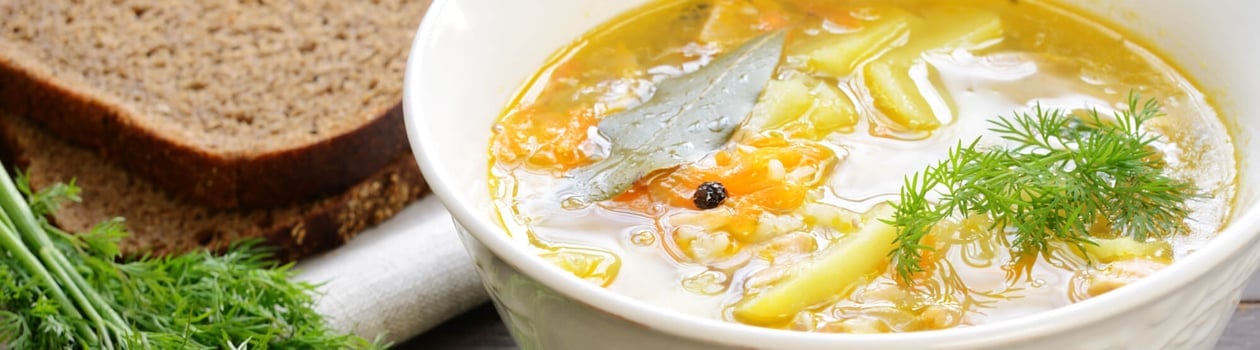
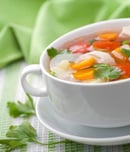
When the cold winter winds are blowing and snow is rapidly falling, nothing takes the chill away like a bowl of homemade soup!
It might seem that making a pot of simmering heaven would require a person to be highly skilled in the kitchen and have a great deal of extra time. But this couldn’t be farther from the truth!
If making homemade soup has always seemed like an intimidating task, just know that it doesn’t have to be. Plus, it’s a great way to feed a large group of people without a lot of fuss.
With some clever short cuts and easy, beginner-friendly recipes (happily found all over the internet), it’s entirely feasible to impress family and friends alike with a wonderful creation to celebrate National Homemade Soup Day!
History of National Homemade Soup Day
Soup has been warming the stomachs of the masses for nearly 9000 years, so it’s about time there was a day devoted to it!
One of the smartest choices of the creators of National Homemade Soup Day is that they put it right smack-dab in the middle of winter (at least for people in many places).
Since February can be one of the coldest and darkest months of the year, it’s the perfect time to try a hand at creating the perfect homemade soup.
But for people who live in a place where the day doesn’t fall in winter–don’t despair! Homemade cold soups are a tasty option for those celebrating in a warmer climate. Whether with a Gazpacho (cold tomato soup) or cucumber soup, this day can be enjoyed–cold or hot–in any part of the world!
How to Celebrate National Homemade Soup Day
While this day does not discriminate between flavors of soup, it does offer an occasion to celebrate. So it’s time to do more than just open that can of boring, bland, soup!
This is a day that is all about celebrating a fresh, healthy pot of homemade soup!
Consider a few different ways to make National Homemade Soup Day a little more special:
Try a New Recipe
Celebrating soup sounds simple – just pour a bowl and start eating, right? Well, that is part of it but not all of it. If you are new to creating culinary masterpieces you can use this day as a motivation to try something different.
Make some chicken soup, or tomato, or maybe something more adventurous. That is what today is all about, so experiment and try something new.
Invite Friends and Family to Join In
Already a kitchen wizard? Use this special day to gather up some friends and have a tasting of several different homemade soups.
Or have each person bring one ingredient that can be added into the pot! While waiting for the soup to simmer, read out loud a version of the favorite children’s book, Stone Soup.
Better yet have a cook off! Each friend shows up with their own homemade masterpiece and have a lively night of fun to see whose soup is crowned the winner. The great news is that, really, everyone wins because they get to enjoy all of the deliciousness and comfort that homemade soup has to offer.
Recreate a Copycat Recipe
Sometimes a favorite dish at a restaurant turns out even better when making it at home! Many recipes for famous soups from restaurant chains are now available online to be recreated in a person’s own.
Try making these yummy copycat soup recipes that can be easily found online:
- Zuppa Toscana by Olive Garden. Famous for its pairing with soft breadsticks, this twist on an Italian favorite is packed with yummy goodness. A chicken stock base with sausage, kale, and red pepper flakes provide a zesty array of flavors.
- Loaded Baked Potato Soup by O’Charley’s. Packed with flavor (and also quite a few carbs!) this soup is sure to please with its cheesy potato base and bacon garnish. Like most soups, this one is tasty when served with buttery bread rolls.
- Cullen Skink from Ubiquitous Chip. This soup is named after Cullen, a small fishing town in the northeast of Scotland. One of Glasgow’s favorite restaurants, Ubiquitous Chip, features this comforting treat made from smoked haddock, potato, onion, and spices.
Read a Chicken Soup for the Soul Book
Since homemade soup takes a little bit of time to simmer on the stove, it’s great to have something to do while waiting. So what could be better than reading some short stories from the famous Chicken Soup for the Soul anthologies?!
The books were compiled by Jack Canfield and Mark Victor Hansen, but the stories themselves were written by people all over the world. Some authors are famous while others are simply average people with extraordinary or entertaining stories to share that bring comfort to the soul.
With so many to choose from, a Chicken Soup for the Soul book can be found for almost anyone’s special affinity. (Check a local library or find them to purchase in a bookstore or online.) Here are some favorites:
- Chicken Soup for the Sister’s Soul
- Chicken Soup for the Golfer’s Soul
- Chicken Soup for the Nurse’s Soul
- Chicken Soup for the Coffee Lover’s Soul
- and dozens more to choose from
Easy Chicken Noodle Soup Recipe
Looking for some inspiration? Try this recipe on for size!
Ingredients
- 32 oz Chicken Broth
- 4 c water
- 3 cups bite-size chicken
- 2 t seasoning
- 1/2 of a 12 oz. bag egg-white noodles
- 2c frozen vegetables (corn, peas, etc)
- Salt and pepper
Directions
- In a large stockpot, add broth, water, chicken, and seasonings. (Add more seasoning to taste, if desired.) Bring to a boil.
- Add egg noodles and continue boiling to cook noodles as directed on the package. Soup is ready to serve when noodles are done. Season with salt and pepper to taste, or allow your guests to season their own.
- Set this on the table with a loaf of dark bread and you have a meal worthy of being part of the celebration for National Homemade Soup Day!
Facts About Soup
Soup is one of humanity’s oldest and most quietly transformative foods. Long before written recipes, boiling meat, bones, and plants in water helped early humans unlock more nutrition from tough ingredients, making food easier to digest and share. Over thousands of years, soup evolved from survival nourishment into a cultural, social, and even medical staple—feeding families, healing the sick, fueling explorers, and bringing people together around a single pot.
Boiling Soup May Have Helped Humans Extract More Nutrition From Food
Anthropologists suggest that once humans had waterproof containers, boiling meat and plants into soup allowed them to extract more calories, fat, and collagen from otherwise tough or discarded animal parts, improving nutrition and making food softer and easier to digest for children and the elderly.
The Earliest Clear Archaeological Evidence of Soup Dates to About 6000 BC
While estimates for “first soups” vary, one of the earliest concrete archaeological examples comes from around 6000 BC in the Near East, where animal bones and residue in cooking vessels indicate people were boiling meat—possibly hippopotamus or other game—in water, turning otherwise inedible parts into a sustaining broth.
Soup Helped Give Birth to the Modern Restaurant
In 18th‑century Paris, vendors sold concentrated, restorative broths called “restoratifs,” marketed as health-giving soups for the weary. A Parisian entrepreneur named Boulanger opened a shop in 1760s Paris specializing in these restoratives; his signage and menu helped establish the term “restaurant” and the idea of a public place devoted to serving prepared meals.
Portable Soup Was an 18th‑Century Ancestor of Instant Bouillon
Long before modern bouillon cubes, European cooks made “portable soup” by gently simmering meat stock down to a gelatinous slab that could be dried and stored. British naval ships carried this concentrated soup on voyages in the 18th century, and explorers used it as a lightweight ration that could be reconstituted with hot water.
Chicken Soup’s “Cold Remedy” Reputation Has Some Scientific Basis
Research from the University of Nebraska Medical Center found that a traditional chicken soup recipe slowed the movement of neutrophils, a type of white blood cell involved in inflammation, suggesting it may modestly ease upper respiratory symptoms—not just by comforting warmth, but by a mild anti‑inflammatory effect.
Homemade Vegetable Soups Can Be Nutrient‑Dense Yet Low in Energy Density
When made with broth, vegetables, legumes, and modest added fat, soups tend to have low energy density (few calories per serving) while providing fiber and micronutrients. Clinical trials show that starting a meal with a low‑energy‑density soup can reduce total calorie intake without increasing hunger, a strategy dietitians sometimes use for weight management.
Communal Stews Have Long Served as Social “Pots” in Many Cultures
From French pot‑au‑feu and West African peanut stews to Korean jjigae and Brazilian feijoada, large shared pots of soup or stew historically functioned as social centers—stretching limited meat with grains or beans and allowing households or villages to eat from the same pot, reinforcing bonds and traditions around a single, simmering dish.
National Homemade Soup Day FAQs
What role did soup play in ancient war tactics?
Soup was an essential battlefield food in ancient times. Roman soldiers carried portable soup made from dried meat and vegetables.
This allowed armies to travel light and still enjoy a nourishing meal. The efficiency of this food helped sustain troops during long campaigns.
Why is soup considered a ‘universal dish’ across cultures?
Every culture has its signature soup. In Thailand, Tom Yum incorporates zesty lemongrass and chilies.
In Senegal, soup includes peanuts and local fish. Despite different ingredients, the principle of boiling flavors together unites humanity.
Did soup ever spark a political revolution?
Yes! During the French Revolution, soup kitchens became symbols of equality.
They provided the poor with affordable meals, emphasizing unity in times of upheaval. This tradition inspired modern food charities worldwide.
What’s the weirdest soup-related superstition?
In parts of Scandinavia, spilling soup was said to invite trolls into your home. To counter this, families would burn a piece of bread to ‘banish’ the creatures!
Did pirates influence the history of soup?
Pirates loved ‘pease porridge,’ a thick soup of boiled peas. It stayed edible for days, making it the perfect meal for their long sea voyages. Some even used hot pease porridge as a weapon, throwing it at attackers!
How did ancient civilizations use soup for magic and rituals?
In ancient China, soup made with specific herbs was brewed during lunar rituals. It was believed to summon spirits or bring fertility. Mayan cultures also included soup-like stews in sacrificial ceremonies.
What is the ‘soup test’ for detecting fake chefs?
In medieval France, chefs were judged on their soup-making skills. If they couldn’t create a flavorful broth with scraps, they were dismissed as frauds. Even today, some chefs say soup reveals true culinary skill.
Which soup has sparked global debates?
Shark fin soup remains controversial. While considered a delicacy in China, it has sparked debates about animal cruelty and sustainability. Efforts to ban it have created cultural and ethical tensions.
What’s the connection between soup and Frankenstein?
Mary Shelley wrote Frankenstein while eating broth infused with laudanum, a form of opium. The comforting soup is believed to have calmed her nerves while drafting her gothic masterpiece.
How does soup help astronauts in space?
Soup is vital for astronauts since it’s easy to rehydrate and doesn’t crumble like bread. NASA designed soup pouches that work in zero-gravity, allowing astronauts to sip comforting meals.

You may also like

Soup Swap Day
There's nothing better than a warm bowl of homemade soup on a chilly day! Swap your soup with friends for a fun way to mix up your meals.
- Australia
- Canada
- United Kingdom
- and 1 more

Turkey Neck Soup Day
Did you know there’s a whole day dedicated to Turkey Neck Soup? This humble dish transforms an often-forgotten part of the bird into something deeply satisfying, the kind of soup that makes a kitchen smell like someone knows what they’re doing. Turkey necks simmer into a rich broth while vegetables...
Soup It Forward Day
Providing warm meals fosters compassion, supports vulnerable populations, and strengthens community bonds through acts of kindness.
- Canada
- International
- United Kingdom
- and 1 more
National Chicken Soup for the Soul Day
Get ready to feel uplifted and inspired by heartwarming stories that make you laugh, cry, and appreciate the little things in life.
National days and holidays on February 4 2027

USO Day
USO Day is a special occasion that spotlights the United Service Organizations (USO) and its long-running mission: helping service members and their families feel supported, connected, and a little more at home wherever duty takes them. At its heart, the USO is about morale. That can sound abstract until it becomes...
- Afghanistan
- Iraq
- Italy
- and 4 more

National Wicker Day
National Wicker Day is a delightful celebration of the art and craft of wicker weaving. It spotlights an approach to making that is both practical and charming: taking flexible strands and weaving them into objects that are sturdy enough for everyday life and handsome enough to be displayed. From picnic...
- Australia
- Canada
- United Kingdom
- and 1 more

Torture Abolition Day
Torture Abolition Day is a significant occasion dedicated to ending torture and supporting its victims. It creates space for public attention on a topic that is often hidden behind prison walls, conflict zones, and closed-door interrogations, even though its effects ripple far beyond any single incident. People from all walks of...

Time to Talk Day
Time to Talk Day is an annual event that encourages open conversations about mental health. It focuses on breaking the silence surrounding mental health struggles by inviting people to share how they feel with others. From casual chats with friends to deeper discussions within families and workplaces, the day highlights...
Seize Every Day
Join free for personalised recommendations, email reminders and exclusive guides. Never miss a day.