
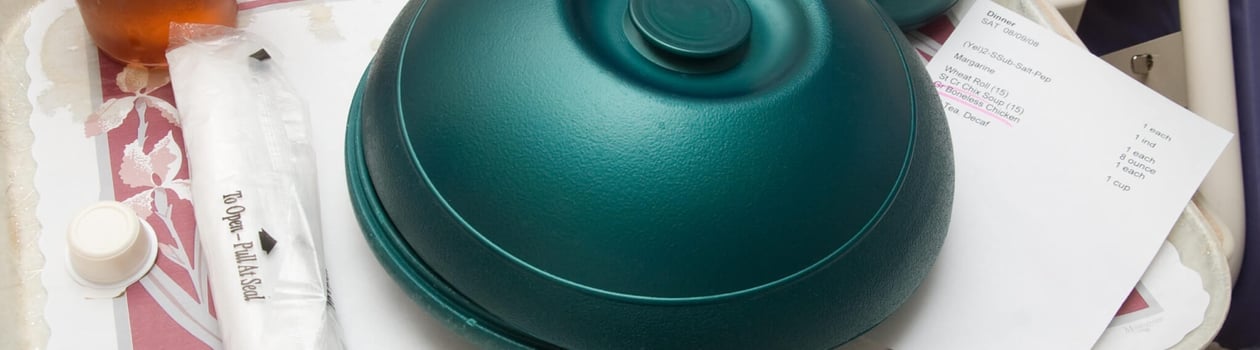
Hospitality Workers in HealthCare Day does exactly what it says on the tin; it gives us the opportunity to pay our respects to the hospitality workers in the healthcare sector.
These dedicated workers put in a lot of time and effort day-in and day-out, and they often do not get a lot of recognition, so we think that it is great that there is now a date that enables us to give them all of the respect and love that they deserve, don’t you?
Hospitality Workers in HealthCare Day Timeline
Florence Nightingale and Hospital Sanitation
Florence Nightingale organizes nursing and support staff during the Crimean War, using strict cleaning, laundry, and food practices that show how non-clinical “domestic” work can dramatically reduce hospital death rates.
First Hospital-based Ambulance Service
Bellevue Hospital in New York City launches the first U.S. hospital ambulance service, formalizing orderly and transport roles that link patient movement, safety, and comfort with medical care.
Rapid Growth of Hospital Support Staff
As hospitals expand in size and services, the number of lay staff, including cleaners, cooks, porters, and other non-clinical workers, grows from about 14,000 to 95,000 in the United States.
Pioneering Outsourced Hospital Housekeeping
Entrepreneur Jim Spry enters the outsourced hospital housekeeping business with Red Top, Inc., helping professionalize contracted cleaning and support services in healthcare facilities.
Specialized Infection-control Cleaning Teams
Hospitals such as Royal Hobart Hospital introduce dedicated infection-control cleaning teams to combat problems like MRSA, marking a shift from basic housekeeping to specialized environmental hygiene.
Environmental Services Recognized as Infection Control
Research firmly links contaminated hospital surfaces to healthcare-associated infections, and “environmental services” emerges as the preferred term for specialized cleaning and support roles in healthcare.
Modern EVS Technicians and Patient Experience
Hospitals increasingly describe housekeeping teams as Environmental Services (EVS) technicians, emphasizing their role not only in cleaning and linen management but also in safety, infection prevention, and patient satisfaction.
Learn about Hospitality Workers in HealthCare Day
A Recognition Day was created to celebrate the amazing work that is carried out by support services staff that work within the healthcare sector.
We give a lot of praise to our surgeons, doctors, nurses, and other medical staff, and rightly so. However, there are a lot of other workers in the healthcare sector, and they all play a critical role. They help to make sure that everything runs efficiently and they ensure that patients are met with a smile.
It is important to recognize that hospitality support staff work hard behind the scenes in health environments. They have a lot of different roles, which are critical.
This includes providing laundry services in an efficient and timely manner, maintaining hygienic, fresh, and clean environments, meeting a range of cultural needs, dietary requirements, and preferences, and much more.
They can be called the unsung heroes of the healthcare sector, so now it is the perfect opportunity for people to start singing their praises!
History of Hospitality Workers in HealthCare Day
There are businesses and organizations that have been celebrating their hospitality staff members for many years now.
However, more and more companies are getting involved in this every year, and now that there is a dedicated Hospitality Workers in HealthCare Day, there is no excuse not show your hospitaityl workers a bit of love on this date!
How to Observe Hospitality Workers in HealthCare Day
There are a lot of different ways that you can celebrate Hospitality Workers in HealthCare Day. If you run a healthcare business, there are some exciting ways to show your workers how you appreciate them.
This includes delivering certificates of appreciation for your staff, introducing a Hospitality Staff Award, putting on a special lunch for your workers, or hosting an afternoon or morning tea for your staff.
You do not need to work in the healthcare sector to be a part of the Hospitality Workers in HealthCare Day. If you know someone who works in this sector, why not tell them how much you appreciate them and all of the hard work they di?
You may even want to deliver them a handwritten card or some baked goodies? This does not take a lot of effort, yet it will make someone’s day, and isn’t that a lovely thing to do? You may also want to spend the day educating yourself on the different activities and tasks that hospitality workers are involved in.
Facts About Hospitality Workers in HealthCare Day
Invisible Infection Control: How Cleaning Staff Protect Patients
Environmental services staff in hospitals play a direct role in preventing healthcare associated infections, which affect about 1 in 31 hospitalized patients in the United States at any given time.
The Centers for Disease Control and Prevention reports that improvements in routine cleaning and disinfection of high-touch surfaces, combined with hand hygiene programs, have contributed to national declines in infections such as central line associated bloodstream infections and catheter associated urinary tract infections.
Hospital Laundry and the Science of Safe Linen
Hospital laundry workers follow strict protocols because contaminated textiles can transmit pathogens if handled or processed incorrectly.
Guidelines from infection prevention experts emphasize correct temperatures, detergents, and mechanical action for washing, along with careful transport and storage, to ensure linen does not reintroduce microbes into patient areas.
When these procedures are followed, properly laundered textiles are considered a very low risk for spreading infection.
Foodservice Workers and Malnutrition in Hospitals
Hospital foodservice staff do far more than deliver trays; they are part of the front line against disease related malnutrition.
Clinical nutrition research shows that up to 30 to 50 percent of hospitalized patients may be malnourished or at risk, which can delay recovery and increase complications.
Coordinated work between dietitians and kitchen teams on menu planning, meal timing, and culturally appropriate options helps patients meet their nutritional needs and can shorten hospital stays.
Room Attendants and Patient Experience Scores
Non clinical hospitality workers directly influence how patients rate their care. In U.S. hospitals, standardized patient experience surveys such as HCAHPS include items on cleanliness and quietness of the hospital environment.
Research shows that better scores on these measures are associated with higher overall hospital ratings and a greater likelihood that patients would recommend the facility, which in turn can affect public reporting and reimbursement.
The Global Toll of Poor Hygiene in Care Facilities
Worldwide data highlight how crucial cleaning and hygiene staff are in healthcare settings of all kinds. The World Health Organization estimates that in Europe alone about 9 million healthcare associated infections occur each year, leading to roughly 25 million extra hospital days and billions of euros in costs.
Strengthening environmental cleaning, waste handling, and hand hygiene in hospitals and long term care facilities is a core part of global strategies to reduce this burden.
Porters as a Link in the Safety Chain
Hospital porters and transport staff are often the bridge between departments, moving patients, samples, equipment, and waste through the building.
Safety guidance from healthcare systems notes that if transport routes, timing, and cleaning of trolleys and wheelchairs are poorly managed, it can contribute to delays in care or cross contamination between units.
Clear procedures for moving infectious patients and materials make these workers a formal part of infection prevention plans.
Support Services and the Economics of Care Quality
Hospital hospitality and support services have measurable economic impact beyond comfort. Analyses of healthcare associated infections in public hospitals find that these infections account for a large share of hospital treated sepsis cases and are associated with higher mortality and longer stays.
Investments in environmental services, sterile processing, and food and waste management are cited as cost effective ways to reduce complications, free up beds sooner, and lower overall treatment costs.
Hospitality Workers in HealthCare Day FAQs
What kinds of jobs are included when people talk about “hospitality workers” in healthcare?
In healthcare, hospitality workers typically include staff who provide food and nutrition services, housekeeping and environmental services, laundry, patient transport, reception and front-desk support, and similar nonclinical roles.
These employees prepare and deliver meals, keep rooms and shared areas clean, manage linens and waste, move patients safely, and help welcome and direct visitors, all of which support clinical teams and shape the patient experience.
How do hospital cleaners and environmental services staff influence patient safety and outcomes?
Environmental services staff help reduce healthcare-associated infections by cleaning patient rooms, bathrooms, equipment, and high-touch surfaces using appropriate disinfectants and procedures.
Patient safety research has found that effective environmental cleaning is a critical infection prevention strategy and that well-supported environmental services teams are part of broader hospital staffing patterns associated with safer care and better outcomes.
Do nonclinical support staff really affect patient satisfaction scores?
Research that looks at Hospital Consumer Assessment of Healthcare Providers and Systems (HCAHPS) surveys has found that higher levels of support staff, such as nursing assistants and other nonclinical personnel, are linked with better patient experience scores.
Patients tend to report greater satisfaction when they receive timely help, clear communication, and clean, comfortable surroundings, which depend in part on the availability and performance of support and hospitality workers alongside clinical staff.
What are some of the biggest work challenges for hospitality staff in hospitals and clinics?
Hospitality staff in healthcare settings often contend with relatively low wages compared with the physical demands of the job, rotating or night shifts, and high workloads that leave little time for rest.
Studies of hospital employees describe additional pressures such as limited opportunities for advancement, ongoing exposure to stressful or emotional situations, and the need to maintain high service standards under staffing constraints, all of which can contribute to burnout and high turnover.
What health and safety risks do healthcare hospitality workers commonly face?
Hospitality workers in healthcare can experience musculoskeletal injuries from lifting, bending, and pushing heavy carts, along with slips, trips, and falls.
They may also be exposed to infectious materials, strong cleaning agents, and emotionally challenging interactions with patients and families.
Occupational health research on cleaning and hospitality roles reports elevated rates of back and shoulder problems, respiratory symptoms, anxiety, and stress, especially when workloads are intense.
Why does the well-being of support and hospitality staff matter for the quality of care?
Studies of hospital workplaces show that when staff at all levels feel respected, supported, and psychologically safe, patient safety and quality indicators tend to improve.
Poor working conditions and chronic stress among support and hospitality workers are associated with higher turnover, lower engagement, and reduced willingness to report concerns, which can undermine care coordination and the overall patient experience.
How do food and nutrition workers in healthcare contribute beyond simply serving meals?
Food and nutrition workers in healthcare collaborate with dietitians and other clinicians to provide meals that align with therapeutic diets, help manage conditions such as diabetes or kidney disease, and respect cultural or religious food practices.
By preparing safe, appealing food and ensuring it is delivered accurately and on time, they support adequate nutrition, help prevent malnutrition, and contribute to patients’ strength, recovery, and satisfaction with their care.



You may also like

National Hospitality Workers Appreciation Day
National Hospitality Workers Appreciation Day spotlights the people who keep the “welcome” in welcoming. From the first friendly greeting to the last wiped table, hospitality workers combine speed, skill, and calm under pressure to make everyday experiences feel easy. The day offers a simple prompt: notice the work, name the...
- Australia
- Canada
- United Kingdom
- and 1 more

Hospital Admitting Clerks Day
It’s a job that requires coolness under pressure, compassion, and hard work. Don’t take for granted the Hospital Clerks that help you get the care you need.
National Patient Recognition Day
National Patient Recognition Day is a special time set aside to honor patients and highlight their importance in the healthcare system. At first glance, that might sound obvious. Of course, patients matter. But in busy clinics, crowded waiting rooms, and fast-paced hospital units, it can be surprisingly easy for the...

National Hospitalist Day
Medical experts who navigate health journeys, ensuring personalized care and comfort during hospital stays and recovery.
National days and holidays on March 6 2027

National Oreo Cookie Day
With its perfect ratio of crunchy cookies and creamy filling, it's no wonder it's America's favorite cookie. Twist, lick, and dunk away!

Maha Shivaratri
Maha Shivaratri is a significant Hindu festival celebrated in honor of Lord Shiva, the deity of destruction and transformation. How to Celebrate Maha Shivaratri Maha Shivaratri, known for its unique night-long observance, offers many engaging ways to participate. If you’re looking for some ideas to celebrate, here are a few fun...

Iditarod Trail Sled Dog Race
The Iditarod Trail Sled Dog Race is a thrilling annual event that starts with a festive atmosphere in Anchorage, Alaska. Each year in early March, specifically on the first Saturday, this race spotlights the rugged beauty of Alaska and the incredible endurance of the mushers and their dog teams. This...

National Dress Day
From puffy sleeves to deep v-necks, from halter tops to hoop skirts, dresses have taken on all sorts of shapes and sizes over the years. National Dress Day is here to celebrate this!
- Australia
- Canada
- United Kingdom
- and 1 more
Seize Every Day
Join free for personalised recommendations, email reminders and exclusive guides. Never miss a day.