
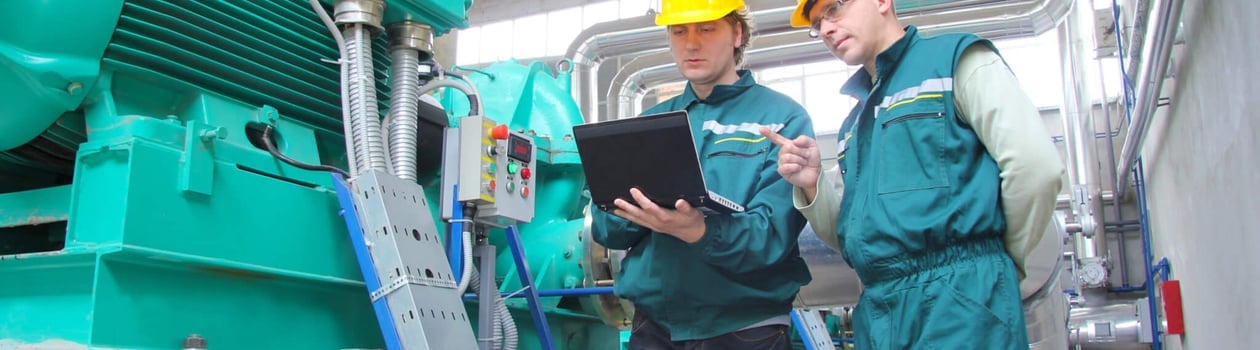
Industrial Workers of the World Day is set aside to honor and recognize industrial workers’ hard work and contributions worldwide.
It’s a day when people can appreciate the hands behind the handles, switches, and safety goggles, the folks who keep production moving and infrastructure functioning. Industrial work covers a huge range of roles: assembling components, running heavy equipment, maintaining machines, packing and shipping orders, monitoring quality, cleaning worksites, and troubleshooting problems at odd hours so the rest of the world can keep humming. Whether the end product is a bridge beam, a kitchen appliance, a carton of medicine, or a box that shows up on a doorstep, industrial labor is the often invisible stage between an idea and something useful.
It is also a chance to recognize that industrial work is not just “making stuff.” It is process, precision, and coordination. Modern production depends on teams that can read gauges, interpret specs, follow safety procedures, and communicate quickly when something changes. A small adjustment on a line can reduce waste, improve durability, and prevent accidents. In other words, these jobs are practical, technical, and essential, even when they are not glamorous.
How to Celebrate Industrial Workers Of The World Day
Here are some fun and thoughtful ways to tip your hat to these everyday heroes:
Craft a Thank-You Note
Whip out those pens and get creative. A handmade card to any industrial worker you know shows you care. For extra impact, make it specific. Thank them for what they do well: showing up reliably, training new hires, keeping a finicky machine alive, spotting defects before they become problems, or sticking to safety rules even when the pace gets intense. Specific appreciation feels less like a generic greeting and more like genuine recognition.
Host a Worker’s Lunch
Why not throw a picnic or BBQ in honor of the hardworking folks in your community? Food, fun, and appreciation all in one. Keep it simple and worker-friendly: hearty options, clear labels for allergies, and containers that travel well. If inviting shift workers, consider that not everyone eats at the same time. Offering a “grab-and-go” spread can be just as celebratory as a sit-down meal.
Educate Yourself
Dive into a book or documentary about labor history. Knowledge is power, and it’s fascinating, too! A helpful angle is to focus on how industrial work changed daily life: the rise of mass production, the push for the eight-hour day, improvements in workplace safety, and the way unions shaped benefits and job protections. Learning the basics makes it easier to talk about work with respect, not stereotypes.
Support Worker-Owned
Shop at businesses owned by workers. Your purchase is a high-five to their efforts. If worker-owned options are hard to find, another practical move is to support companies that are transparent about safety training, fair scheduling, and responsible sourcing. Even a quick look at a brand’s policies can turn routine shopping into a more thoughtful vote.
Wear the Gear
Don some attire that shouts out to the industrial workers. T-shirts, hats, or even badges make for great conversation starters. Another twist is to celebrate “workwear culture” in a respectful way: sturdy boots, durable jackets, high-visibility colors, or a classic bandana. If a conversation comes up, the best move is to keep it centered on the real people behind the look.
Volunteer Your Time
Lend a hand at local workers’ organizations or unions. They often need help with events or campaigns. Volunteering can also mean offering a skill, like graphic design for a flyer, translation support, childcare during meetings, or help setting up a community meal. Practical support is often more valuable than grand speeches.
Share the Love Online
Use your social media prowess to spread awareness. A simple post can light up someone’s day and educate others. Sharing a photo of a finished project, a “behind the scenes” moment, or a short explanation of what industrial workers actually do can help the public see these jobs clearly. If highlighting an individual worker, it’s best to ask permission first and keep details respectful and safe.
A celebration can also be personal and low-key. Some people mark the day by checking in with a family member who works nights, offering to run an errand for a neighbor recovering from a long shift, or simply taking an extra moment to treat the people in industrial and logistics roles with patience. Many of these jobs run on tight schedules, and everyday courtesy goes a long way.
Each of these actions is a step towards acknowledging the immense contribution of industrial workers. By celebrating the day, people honor past struggles and support ongoing efforts for fair treatment and better working conditions. Even small acts of recognition help shift the cultural story from “replaceable labor” to “skilled work done by real human beings.”
Why Celebrate Industrial Workers of the World Day
The importance of this day lies in acknowledging the struggles and achievements of the Industrial Workers of the World (IWW), also known as “_The Wobblies_.” Founded in 1905, the IWW became a major force in labor organizing by pushing the idea of industrial unionism: instead of separating workers into tiny groups based on narrow trades, it argued that workers in an entire industry could organize together. That concept aimed to build leverage by uniting the people who kept production running, from the shop floor to transport and beyond.
The IWW’s approach stood out for its emphasis on broad solidarity. Its famous motto, often summarized as “an injury to one is an injury to all,” captured a simple point: working conditions are not isolated. When one group is pressured into lower wages, longer hours, or unsafe practices, that pressure tends to spread. When one group gains protections, those gains can set expectations that ripple outward.
Celebrating this day is not only about history books and old photographs. It is also about seeing industrial work as part of everyday life. Industrial workers make the objects people rely on and maintain the systems that move them. That includes the visible: construction materials, appliances, vehicles, and tools. It also includes the less visible: packaging that protects food, replacement parts that keep water systems running, and components inside electronics that few people ever see.
It’s also a reminder of what industrial work asks of the body and mind. Many roles require extended standing, repetitive motion, heavy lifting, attention to moving machinery, or work in loud, hot, or cold environments. Other roles demand technical accuracy and constant monitoring, where a brief lapse can mean a costly shutdown or an injury. When people celebrate Industrial Workers of the World Day, they can acknowledge both the dignity of the work and the reality that it comes with risks that deserve serious protections.
This day can also encourage ethical habits that support workers in practical ways. Consumers can look for products made under safer, fairer conditions, and communities can value public policies and employer practices that reduce injuries and burnout. On a human level, it can inspire better workplace culture: training that is not rushed, safety concerns treated as real, and respect for the knowledge that experienced workers build over years.
By recognizing the significance of industrial workers and the impact of their work on everyday routines, people can foster a greater appreciation for the role they play in society. It’s a call to action, not necessarily for grand gestures, but for ongoing respect: fair pay for skilled labor, predictable schedules when possible, adequate staffing, and real attention to safety, ventilation, protective equipment, and maintenance.
History of Industrial Workers of the World Day
Let’s dive into the history of Industrial Workers Of The World Day, a day as unique as a unicorn in a field of horses. This celebration shines a spotlight on the unsung heroes of industry. Picture it as a birthday bash, but for the hardworking souls who keep the wheels of the world spinning.
The story connects closely to the Industrial Workers of the World itself, the union that helped give “industrial worker” a louder voice in public life. The IWW was founded in Chicago in 1905 during an era when industrialization was transforming work at a dizzying pace. Factories expanded, rail networks grew, and extraction industries boomed. But many workers faced long hours, dangerous conditions, and low wages, especially those with fewer legal protections or less social power. In that environment, the IWW argued that workers could not win lasting improvements by organizing in narrow slices.
Unlike craft unions that focused on specific trades, the IWW promoted industrial unionism, aiming to bring together everyone involved in a production chain. The union’s idea was bold: if workers across an industry recognized their shared interests, they could bargain and act together with far more strength. The “One Big Union” vision was not just a slogan. It was a strategy built around solidarity, shared action, and the belief that labor should not be divided into competing categories.
The IWW also became known for its direct-action spirit and for defending the right to organize publicly. In the early 20th century, some local authorities restricted public speaking and organizing, especially when labor activists tried to address crowds in streets and public squares. The IWW responded with “free speech fights,” a tactic that involved intentionally speaking in prohibited places, accepting arrest, and repeating the process until the restrictions became politically and practically difficult to enforce. These battles were not just about one union’s right to talk. They were about whether working people could advocate for themselves in public at all.
Another distinctive part of IWW history is its culture. The Wobblies understood that organizing is not only meetings and pamphlets. It is morale, identity, and the ability to stay connected during hard times. The union’s songs became famous, collected in publications like the “Little Red Songbook,” and used to build unity on picket lines, at gatherings, and during long campaigns. Singing was both practical and symbolic: it helped people remember messages, feel less alone, and keep energy up when conditions were rough.
Industrial Workers of the World Day carries that legacy forward in a broad way. It nods to the people who have always done the hands-on work that keeps societies functioning, and to the organizing traditions that sought to make those jobs safer and more fairly rewarded. It also reflects how industrial work itself has evolved. Many modern workplaces use advanced robotics, computerized controls, and complex logistics systems, yet still depend on human judgment, maintenance, and teamwork. Machines may speed up production, but people still keep systems safe, adapt when conditions change, and solve problems that no instruction manual predicted.
The reason people tip their hats on this day is to remember not just the sweat and grit of industrial workers but also their victories and sacrifices. Struggles over wages and hours, efforts to prevent injuries, and campaigns for dignity on the job have shaped what many now consider basic expectations of work. Even when the IWW is not the central actor in every workplace, its history represents a wider labor story: the push to treat workers as human beings whose lives matter beyond output numbers.
This day is also a chance to notice how much industrial work hides in plain sight. The clothes people wear, the devices they use, the buildings they enter, and the food they store all depend on industrial systems and the workers who operate them. When the public pauses to acknowledge that chain, it becomes easier to value the people who make everyday comfort possible, and easier to understand why safe conditions and fair treatment are not extras. They are the foundation that lets industry do its job without breaking the people who do it.
Industrial Workers of the World Day Timeline
Founding of the Industrial Workers of the World
Delegates from dozens of radical unions and socialist groups meet in Chicago to found the Industrial Workers of the World, launching a new model of inclusive industrial unionism. [1]
Spokane Free Speech Fight
IWW members in Spokane, Washington, stage mass civil-disobedience protests against city bans on street speaking, enduring hundreds of arrests and harsh jail conditions to defend organizing rights.
McKees Rocks Steel Strike
At the Pressed Steel Car Company in McKees Rocks, Pennsylvania, the IWW helped lead a militant multiethnic strike over low pay and brutal conditions, winning wage gains and national attention. [1]
“Bread and Roses” Lawrence Textile Strike
The IWW organizes largely immigrant textile workers in Lawrence, Massachusetts, to protest wage cuts, winning significant raises and symbolizing industrial workers’ unity across language and nationality.
Paterson Silk Strike
Silk workers in Paterson, New Jersey, launch a major IWW-backed strike against speedups and the “four-loom system,” highlighting both the potential and limits of radical industrial unionism in the mills.
Global Spread of the Wobblies
Carried by migrant workers and radical activists, IWW branches, halls, and newspapers appear across Canada, the UK, Australia, New Zealand, Europe, and Latin America, turning “One Big Union” into a global idea. [1]
Legacy in Modern Industrial Unionism
Though repressed and diminished in numbers, the IWW’s emphasis on industrial organizing, direct action, and rank-and-file democracy helps shape later mass industrial unions and ongoing shop-floor movements. [1]
Industrial Workers of the World Day FAQs
How is “industrial unionism” different from traditional craft unionism?
Industrial unionism organizes all workers in a given industry into a single union, regardless of skill level or specific trade, so machine operators, cleaners, packers, and technicians might all belong to one industrial union.
Craft unionism, by contrast, separates workers into different unions based on their particular trade or skill, which historically left many unskilled, immigrant, and nonwhite workers outside the established labor movement. [1]
Why did early industrial unions pay so much attention to unskilled and migrant workers?
In the late nineteenth and early twentieth centuries, unskilled and migrant workers often faced the lowest pay, the longest hours, and the most dangerous jobs, while also being excluded from many established craft unions.
Industrial unions such as the Industrial Workers of the World tried to organize these workers on the logic that industries could not function without them, and that including the most precarious workers strengthened strikes and bargaining power for everyone. [1]
What are some common misconceptions about radical labor unions like the Industrial Workers of the World?
A frequent misconception is that radical unions were only interested in abstract political revolution and not in everyday workplace improvements.
Historical research shows that groups like the Industrial Workers of the World combined long-term visions of social change with very concrete struggles for higher wages, shorter hours, safer job sites, and better living conditions in camps and boarding houses.
Another misconception is that they were narrowly sectarian, when in fact they were notable for organizing across lines of race, nationality, gender, and skill at a time when many unions did not.[1]
How did industrial labor struggles contribute to the idea of the eight-hour workday?
Industrial workers in sectors such as mining, steel, rail, and manufacturing were often required to work ten to sixteen hours a day in the nineteenth and early twentieth centuries.
Their strikes and mass protests, alongside broader labor campaigns, pushed governments and employers toward legal limits on working time.
This pressure helped inspire early International Labour Organization standards like the 1919 Hours of Work (Industry) Convention, which set a benchmark of an eight-hour day and forty-eight-hour week for industrial undertakings. [1]
How do international labor standards currently protect industrial workers’ safety and health?
International labor standards developed by the International Labour Organization require governments and employers to prevent workplace injuries and illnesses through national safety policies, regulations, and enforcement.
Conventions such as the Occupational Safety and Health Convention, 1981 (No. 155) and the Occupational Health Services Convention, 1985 (No. 161) call for systematic risk assessment, worker training, accident reporting, and access to occupational health services, which are especially important in high‑risk industrial settings that use heavy machinery, chemicals, and high‑speed production lines. [1]
Why is the right to form unions and bargain collectively especially important in industrial workplaces?
Industrial workplaces often involve large employers, rigid production targets, and significant power imbalances between individual workers and management.
International standards, including ILO Conventions No. 87 and No. 98, recognize that workers need freedom of association and collective bargaining to address issues such as wages, shift patterns, machine safety, and job security.
When workers can organize independently and negotiate together, they are better able to challenge unsafe practices and unfair discipline and to secure binding agreements that apply across entire plants or companies.
How do modern human rights instruments view the conditions of industrial workers?
Modern human rights law treats decent working conditions as part of basic human dignity rather than a purely economic issue.
The International Covenant on Economic, Social and Cultural Rights, for example, recognizes the right to just and favorable conditions of work, safe and healthy workplaces, fair wages, and the right to form and join trade unions.
These principles apply to industrial workers as much as to any other group and guide national laws, regional regulations, and court decisions on working time, safety, and union rights. [1]



You may also like

World Industrial Design Day
Attend an industrial design expo, sign up for a class, and learn about the many exciting career opportunities for these innovative visionaries.

National White Shirt Day
Celebrating when folks in factories banded together, rolled up their sleeves, and said, "We're in this together," shaping a new era for labor.

National Hospitality Workers Appreciation Day
National Hospitality Workers Appreciation Day spotlights the people who keep the “welcome” in welcoming. From the first friendly greeting to the last wiped table, hospitality workers combine speed, skill, and calm under pressure to make everyday experiences feel easy. The day offers a simple prompt: notice the work, name the...
- Australia
- Canada
- United Kingdom
- and 1 more

National Farm Workers Day
Help fundraise or donate to charities that aid farmers in order to support the hard workers who keep our agricultural systems running, and food in our stores.
National days and holidays on June 27

International Pineapple Day
Celebrate International Pineapple Day by enjoying tropical flavors, honoring its symbolism of hospitality and friendship, and exploring its rich history and health benefits.

National Sunglasses Day
Pop on your favorite sunglasses and protect your eyes from the harsh light of day, protect your forehead from squint-based wrinkles, and look cool doing it.

Multiculturalism Day
Celebrate Multiculturalism Day by honoring diverse cultures, traditions, and languages, promoting inclusion, mutual respect, and unity in everyday community life.

National Ice Cream Cake Day
Looking for a dessert that combines the creaminess of ice cream with the satisfying crunch of cake? This treat is perfect for you!
- Australia
- Canada
- United Kingdom
- and 1 more
Seize Every Day
Join free for personalised recommendations, email reminders and exclusive guides. Never miss a day.