
National Name Yourself Day
Maybe you always felt like your name didn’t reflect who you are, or maybe you just want to try something new. Re-invent yourself for one day by choosing a new name..
Everyone needs a change of pace now and then, and sometimes we just don’t feel like ourselves. This day is dedicated to the ultimate form of self-expression, its National Name Yourself Day!
National Name Yourself Day Timeline
circa 3200 BCE
Earliest Recorded Personal Names in Mesopotamia
Cuneiform tablets from ancient Sumer show some of the first known personal names, used to identify individuals in economic and legal records, marking the beginning of documented naming practices.
5th century BCE
Greek Philosophers Debate the Nature of Names
In works such as Plato’s dialogue “Cratylus,” Greek thinkers argue over whether names are natural or conventional, setting an early philosophical foundation for the idea that a name can be chosen and changed.
4th century
Christian Baptism and the Adoption of a “Christian Name”
As Christianity spreads through the Roman Empire, converts commonly receive a new baptismal name to mark spiritual rebirth, reinforcing the idea of a new identity symbolized by choosing or receiving a different name.
1059
Church Synod Regulates Christian Naming Customs
The Lateran synod under Pope Nicholas II emphasizes the use of saints’ names for Christians, encouraging parents and converts to select names that express religious identity and patronage.
circa 13th century
Hindu Namkaran Ceremony Becomes Firmly Codified in Dharmashastra Texts
Classical Hindu law and ritual manuals describe Namkaran, the child-naming sacrament, as an essential samskara, reflecting a long-standing tradition that treats naming as a sacred, identity‑defining act.
1705
British Deed Poll Practice Emerges for Name Changes
In England, individuals begin using deed poll documents to formally renounce an old name and adopt a new one, providing a recognized legal mechanism for self-directed name changes.
1907
US Supreme Court Affirms Flexible Approach to Personal Names
In “In re: McUlta,” the Court acknowledges that, absent fraud, a person may change a name through consistent use rather than formal court order, reinforcing personal autonomy in choosing and using one’s own name.
Have you ever felt like you were more of a Charles, or a Carrie, or even a Moon Unit? Well on this day you can be! For just one day you can call yourself anything you like! Be careful though, the new name might just stick with you!
Names are, unsurprisingly, an incredibly important part of welcoming a new child into the world. There are places in the world where a name isn’t given until a certain time has passed after the birth, traditionally this had to do with high mortality rates among infants.
The purpose was probably as much psychological as spiritual, not giving a child a name until it was past the immediate danger of not surviving helped parents not get as attached, and in some cultures the child was not thought to have a soul until named, thus creating an air of ‘nothing lost but a shell’.
Among the Catholic Church, there is a special ceremony that is performed in giving a new member of the church a name. Those who are to go through this ceremony must have at least one parent who is Catholic, as it is expected that such a child will be raised in the Catholic faith.
The ceremony involves a baptism of the child to wash away original sin, and to become born again in a new life with Christ. When possible, the ceremony takes place on a Sunday that the child might be welcomed into the congregation by the whole community.
In the Hindu faith, naming a child is a sacred act, involving the immediate families and close friends. The name of this ceremony is Namkaran, and is an elaborate ceremony performed on the 11th day of the child’s life.
During the first 10 days of the child’s life, both mother and newborn are considered to be unclean, and therefor are traditionally separated from the family, attended only by a helper. On the 10th night, the house is cleansed and blessed for the coming ceremony.
During this ceremony the mother is dressed in new clothes and wets the head of the baby with a bit of water in a sign of purifying the child. Interestingly, it is the Paternal Aunt who names the child, whispering it first to the child, and then announcing it to the gathered people!
So for this day, you can take a new name for yourself! Get into your wardrobe and really try to live it up, dressing yourself in a way that suits your new name.
If it’s an ancestral name, where some traditional clothing from your people, if it’s a name from a certain fandom, maybe a little cosplay is in order. Whatever the case, this is your day with your new name, make sure to keep people using the right one!
It never hurts to urge them along, wearing a ‘hello my name is’ sticker prominently can help goad them along. While you’re at it, get your friends involved and help them choose new names for themselves for the day, and spread the joy of the ultimate in self-expression!
Name yourself day only comes once a year, so take this opportunity to let it all hang out, whether that’s as a George, a Georgina, a Ricky or Lucy, shake things up a little with a new identity!
Facts About National Name Yourself Day
The Surprising Economic Impact of Your First Name
Research tracking millions of people in the United States has found that first names can correlate with economic outcomes, even when controlling for background factors.
For example, a study using California birth certificate and income data found that children with names that sound strongly African American faced measurable wage penalties later in life, suggesting that name-based discrimination in hiring and labor markets can affect lifetime earnings.
How Often People Legally Change Their Names
Legal name changes are relatively uncommon compared with how often people consider new identities. In England and Wales, official statistics show that only a small fraction of the population completes a deed poll name change each year, and many of those changes are tied to marriage, divorce, or aligning documents with long‑used nicknames, rather than radical reinventions.
Similar patterns appear in U.S. court records, where name changes most frequently occur after marital status changes, adoption, immigration, or for personal safety.
Names and Classroom Expectations
Experiments in education research show that teachers often form expectations about students based solely on their names, which can shape classroom experiences.
Studies have found that names associated with higher socioeconomic status or particular ethnic groups can change how teachers rate a child’s behavior and academic potential, even before meeting them, which in turn can influence feedback, encouragement, and placement in advanced classes.
Self-Chosen Names and Gender Identity
For transgender and nonbinary people, choosing a new name can have concrete mental health benefits.
A study of transgender youth across several U.S. cities found that those who were able to use their chosen name in multiple settings, such as at home, school, and work, had significantly lower rates of depression and suicidal thoughts than peers whose chosen names were not respected.
The act of being recognized by one’s self-chosen name was strongly linked with better overall well‑being.
How Immigrants’ Names Change Across Generations
Historical records from Ellis Island-era immigration and later census data show that immigrant families have often modified or replaced given names and surnames over time to navigate discrimination or fit local language norms.
Researchers tracking family lines across generations in the United States have found systematic shifts from distinctively foreign-sounding names to more common American ones, a process associated with higher rates of employment and earnings for descendants, but also with a loss of visible ethnic markers.
Baby Name Popularity Can Change Shockingly Fast
Large national databases of baby names reveal that name trends can rise and fall in just a few years. In the United States, analysis of Social Security Administration records shows that some names surge into the top 50 and then virtually disappear within a generation, often triggered by celebrities, television characters, or public events.
This rapid turnover means that a name strongly tied to one age group today may feel old‑fashioned or unusual just a couple of decades later.
The Psychological “Name-Letter Effect”
Psychologists have documented a phenomenon called the “name-letter effect,” where people show a subtle preference for letters that appear in their own names.
Across many experiments, individuals were more likely to favor brands, places, and even partners whose names began with the same initials as their own.
While the effect is small at the individual level, it illustrates how strongly people connect their sense of self with the symbols and sounds that make up their names.
National Name Yourself Day FAQs
Can changing the name someone uses from day to day affect their sense of identity?
Psychologists have found that names can become tightly linked to a person’s self-concept, but using a different name temporarily does not usually change core personality.
What it can do is create a safe, playful way to explore different aspects of oneself, similar to trying a new style or role.
Studies on nicknames and online usernames suggest that shifting names can make people feel more confident, outgoing, or creative in certain settings, because the new label encourages them to act a bit differently while still remaining the same underlying person.
How do personal names influence the way others see a person in school or at work?
Research in education and labor economics has shown that names often shape first impressions about ethnicity, gender, and social class, which can in turn affect how resumes are evaluated and how teachers or employers respond.
Experiments where identical resumes are sent out with different names have found that applicants with names perceived as belonging to racial or ethnic minorities may receive fewer callbacks, even when their qualifications are the same.
This does not mean a person’s name determines their success, but it shows how important it is for institutions to train staff to recognize and reduce this kind of bias.
Is it common for adults to legally change their first name, and why do people do it?
Adult name changes are more common than many people realize, although exact rates vary by country and are usually recorded locally rather than nationally.
Studies and court records show that people typically change their first names to better reflect their gender identity, to distance themselves from a traumatic family situation, to adapt after immigration, to simplify a name that is often mispronounced, or to separate their private life from a public career.
Researchers note that when the new name feels authentic and is respected by others, many people report improved well-being and social comfort after the change.
What are some common legal limits on choosing a new name?
Most legal systems allow adults to change their names, but with restrictions intended to prevent harm or fraud.
Courts and registries commonly reject names that contain obscenities, hate speech, or misleading titles like “Doctor” or “Princess.”
Many countries also limit the use of numerals, symbols, or excessively long names. In some places, authorities will scrutinize a change if it appears designed to avoid debt, criminal responsibility, or confuse law enforcement.
These rules are usually spelled out in civil code or name law statutes and are enforced when a name change application is reviewed.
How do different cultures decide what to name a child?
Naming practices vary widely, but anthropologists have documented some common patterns.
In many cultures, names honor ancestors, religious figures, or important events around the birth. Others follow detailed rules about birth order, clan membership, or astrological charts.
Some societies give children a temporary name at birth and a more permanent one later, while others use multiple given names and family names that signal lineage and community ties.
These practices show that names often function not only as personal labels but also as a way to place a child within a family history and social group.
Why are chosen names so important for transgender and nonbinary people?
For many transgender and nonbinary people, a chosen name is central to affirming their gender identity and living safely and authentically.
Medical and psychological associations report that using a person’s self-identified name is associated with lower levels of depression and suicidal thoughts among transgender youth and adults.
When schools, workplaces, and families consistently use the correct name, it signals respect and reduces daily stress.
Many professional guidelines now treat honoring chosen names as a basic standard of ethical and inclusive practice.
Is there a difference between using a nickname and changing a name legally?
Nicknames are informal and usually develop within families, friendships, or communities, while a legal name is the one that appears on official documents like passports, school records, and bank accounts.
A person might use several nicknames in different circles without ever changing their legal name.
A legal name change, by contrast, typically requires a formal process through a court or government office, after which the new name is used consistently on identification and records. Both can express identity, but a legal change carries more administrative consequences and is harder to reverse.
Also on ...
View all holidays
National Unicorn Day
Bake delicious, fanciful Unicorn cupcakes, watch a fantasy movie like The Chronicles of Narnia, or research the history of these elegant mythological creatures.

National Alcohol Screening Day
Alcohol screening promotes health awareness, enabling informed choices and fostering a balanced lifestyle for individuals.

International ASMR Day
ASMR can help sufferers of PTSD, anxiety, depression, and insomnia. It can also help relax you, no matter the reason. Check out Youtube to experience this phenomenon.
National Former Prisoner of War Recognition Day
Honoring the sacrifice of those who endured captivity in service to their nation, their bravery is a testament to the human spirit.
We think you may also like...
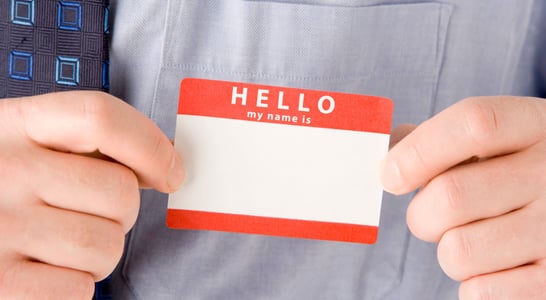
Namesake Day
Discovering connections through shared names, it's like stumbling upon unexpected bonds that create a sense of camaraderie and uniqueness.

Get a Different Name Day
Do you ever feel like your name doesn't quite fit? Changing it is a fun and exciting way to start fresh!
Fun Facts About Names Day
Ever wondered about the tales behind monikers? Stories as diverse as the names themselves, revealing family legacies, cultural influences, and more.
National Genealogy Day
Digging into family trees unveils a captivating journey through generations, offering insights into heritage and the lives of ancestors.