
Ever wonder when the tradition of piercing got its start and how to celebrate it?
National Piercing Day is a chance to notice just how widespread and surprisingly meaningful this form of body art can be. For some people, a piercing is a tiny detail that feels like “them” in the mirror.
For others, it marks a milestone, honors a cultural tradition, or simply adds a sparkly accent to a favorite outfit. However someone feels about needles and jewelry, the day invites a little curiosity, a little appreciation, and a lot of respect for the craft behind safe, well-done piercings.
How to Celebrate National Piercing Day
Whether partaking in a new piercing or just enjoying and appreciating the way they look on others, National Piercing Day is a fun day to celebrate with some of these ideas:
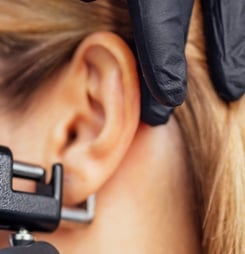
Get a Piercing
Depending on family traditions or cultural background, piercings may or may not have been a rite of passage while growing up.
Some people pierce their children’s ears at a very young age, while others prefer to wait until kids are old enough to make their own decisions. For those who have never had a piercing, or for those who want a new one, National Piercing Day is the perfect moment.
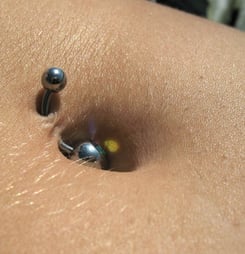
Get your ears pierced for the first time, or add a second or third. Choose a nose piercing, an eyebrow piercing, or even a belly button ring. Go for a stud or a ring. Whatever the choice, it’s a great day to enjoy and celebrate something new.
A smart way to celebrate is to treat the process as what it truly is: a small, intentional procedure on the body. That means choosing a reputable studio, asking questions, and not rushing just because the jewelry looks appealing in the display case.
Here are a few practical tips to make the experience smoother and safer:
- Choose a trained professional, not a shortcut. A good studio should be clean, organized, and transparent about how instruments are sterilized and how jewelry is handled. A piercer should use single-use needles and confidently explain the process.
- Think about placement and lifestyle. Even the most beautiful piercing can become inconvenient if it constantly catches on hairbrushes, headphones, sports gear, or uniforms. Discuss daily habits with the piercer and choose a placement that suits real life.
- Plan for healing time. Piercings heal from the outside in, which means they can look fine before they are fully healed. Earlobes heal faster than cartilage, and areas with more movement may take longer.
- Understand aftercare. Aftercare is usually simple but needs consistency. Follow the piercer’s instructions, clean gently, and avoid unnecessary touching. Twisting jewelry or using harsh products can slow healing.
- Choose body-safe jewelry. Quality matters. Materials like implant-grade metals or high-quality gold are often recommended because they are less likely to irritate the skin.
If you’re worried about pain, remember that the moment itself is quick. The real commitment is the healing process, so celebrating responsibly means being prepared for that part too.
Buy New Pierced Jewelry
In honor of this day, many piercing studios and jewelry shops offer discounts or special deals. Always choose high-quality jewelry from trusted sources to reduce the risk of infection.
Visit a local shop and see what offers are available. While you’re there, don’t forget to thank the piercing artist and wish them a Happy National Piercing Day.
Buying new jewelry can be a celebration on its own, especially for those with healed piercings. Changing jewelry can instantly refresh your look, turning a simple piece into something that reflects your style, mood, or season.
A few tips can make shopping more enjoyable:
- Match jewelry to the healing stage. Fresh piercings need space for swelling and comfort. Healed piercings allow more flexibility, but comfort is still essential.
- Check sizing carefully. Jewelry measurements like gauge, length, and diameter affect fit. The wrong size can cause discomfort or complications.
- Look for secure closures. Threadless designs, internally threaded pieces, and quality clickers are easier on the skin and less irritating.
- Consider sensitivity. Some people react to certain metals, even after healing. Higher-quality materials can prevent irritation and redness.
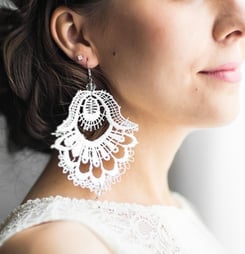
It’s also a great day to appreciate the artistry behind body jewelry. Some pieces are subtle and minimalist, while others are bold and designed to stand out. Good jewelry balances style and function.
Check Out Famous People with Piercings
Looking for inspiration on National Piercing Day? Explore images of well-known figures and their piercing styles:
- Scarlett Johansson — multiple ear and cartilage piercings
- Jessica Biel — a septum piercing that can be hidden
- Zayn Malik — side nose ring and two ear studs
- Beyoncé — belly button ring
Celebrity inspiration can be fun, but it’s best not to copy exactly. Instead, notice the variety of styles and how piercings can be subtle or bold depending on jewelry, hair, makeup, and clothing.
If you don’t want a piercing, you can still take part in simple ways:
- Create a style mood board. Collect ideas that feel wearable, from small hoops to stacked piercings or minimalist studs.
- Learn common placement names. Helix, tragus, conch, rook, daith, and forward helix all have different healing times and styles.
- Give compliments. A simple “That jewelry suits you” can brighten someone’s day.
National Piercing Day can be as simple as appreciating the artistry you see around you, from small studs to carefully curated ear styles.
National Piercing Day Timeline
Ötzi the Iceman Shows Ear Piercing in Prehistoric Europe
The naturally preserved mummy known as Ötzi is found with pierced and stretched earlobes, providing some of the oldest direct evidence of intentional ear piercing and body modification in prehistoric Europe.
Tutankhamun’s Burial Mask Depicts Royal Ear Piercings
The gold funerary mask of the Egyptian pharaoh Tutankhamun shows pierced earlobes, indicating that ear ornamentation was practiced among royal males in New Kingdom Egypt, despite later taboos against men’s earrings in some cultures.
Nose Piercing Tradition Spreads in the Indian Subcontinent
Historical accounts describe nose rings and studs becoming a common adornment for women in northern India after being introduced from the Middle East, eventually developing strong associations with marriage, regional identity, and Ayurvedic beliefs.
Ear Piercing Declines Among Western Middle and Upper Classes
In Victorian and early 20th-century Europe and North America, clip‑on earrings and changing fashion ideals led many middle and upper-class women to abandon ear piercing, which is increasingly viewed as old‑fashioned or even lower‑class.
Claire’s and the Commercialization of Mall Ear Piercing
The retail chain that would become Claire’s opens its first store in Chicago, and by the 1970s helps normalize ear piercing for teenage girls in the United States by offering low‑cost mall piercings using spring‑loaded piercing guns.
Gauntlet Opens as the First Modern Professional Piercing Studio
In Los Angeles, Jim Ward opens Gauntlet, widely regarded as the first dedicated professional body piercing studio in the United States, helping to formalize modern techniques and popularize body piercing beyond ears among Western subcultures.
Association of Professional Piercers Is Founded
The Association of Professional Piercers (APP) was established in California as a nonprofit organization to promote safe body piercing, standardized hygiene practices, and client education, contributing to the professionalization of the industry worldwide.
History of National Piercing Day
While many think body piercing started as a modern trend in the 80s or 90s, it actually dates back to ancient times.
Piercing, whether in the ears or elsewhere, has a history going back thousands of years. Evidence of ear piercings has been found in mummified remains over 5,000 years old. Nose piercing dates as far back as 1500 BC. Cultures such as Native Americans, Alaskans, Indians, and Africans have long traditions of piercing.
Throughout history, piercing has rarely been just about fashion. It has been used to express identity, status, belonging, spirituality, bravery, adulthood, wealth, and personal taste.
Ear piercing is often the starting point, as the earlobe heals more easily than cartilage. Over time, ears have featured everything from simple hoops to symbolic jewelry representing heritage or social role. In some traditions, piercings are linked to protection, health, or luck. In others, they mark life transitions.
Nose piercing has also appeared in many cultures, with different meanings depending on placement. A stud or ring may be decorative, but it can also represent maturity, marriage, or cultural identity. The same applies to lip and ear stretching practices, which hold deep significance in some communities.
In modern times, piercing has evolved thanks to professional standards and improved hygiene. Specialized studios, better sterilization, and safer materials have made piercing more reliable and respected as a skilled practice combining anatomy knowledge and design.
National Piercing Day developed in the internet era, where people could easily share ideas, techniques, and styles. It has grown in popularity because piercing is both personal and social. People do it for themselves, but they also share experiences, recommend studios, and connect through the process.
At its core, National Piercing Day celebrates creativity while encouraging responsibility. A great piercing is not just about appearance, but also about proper healing, comfort, and thoughtful execution.
Ancient Traditions Behind Piercing Across Cultures
Body piercing is far from a modern trend. Across centuries and continents, it has carried deep cultural, social, and symbolic meaning, from marking status and identity to representing rites of passage and personal expression. These historical examples show how piercing has long been woven into human tradition and storytelling.
Pierced Ears Have Been Found on Some of the World’s Oldest Mummies
Archaeologists have found clear evidence of ear piercing on some of the oldest preserved human remains, including the more than 5,000‑year‑old “Ötzi the Iceman.”
His earlobes show enlarged holes about 7–11 millimeters wide, suggesting he wore sizable ear ornaments, which indicates that piercing and even a form of stretching were practiced in prehistoric Europe.
Ancient Mesopotamian Gold Earrings Reveal Early Status Symbols
Gold earrings discovered in royal tombs at the ancient Mesopotamian city of Ur, dating to around 2600–2400 BCE, show that elaborate ear jewelry was used as a mark of wealth and status thousands of years ago.
These finds include twisted gold hoops and complex multi‑part earrings buried with high‑ranking individuals, indicating that pierced ears were tied to social hierarchy in early urban societies.
Nose Piercing in South Asia Is Centuries Old and Tied to Marriage Traditions
Historical and ethnographic records show that nose piercing in South Asia dates back at least several centuries and is deeply connected to womanhood and marriage in many communities.
In parts of India and Nepal, a nose ring or stud, often on the left side, traditionally signifies marital status or readiness for marriage, and may be presented during a girl’s coming‑of‑age or wedding ceremonies.
Maasai Ear Stretching Communicates Age, Beauty, and Identity
Among Maasai communities in Kenya and Tanzania, ear piercing and stretching are long‑standing practices that help mark age sets and social identity.
Both men and women traditionally pierce and gradually enlarge their earlobes using weights and larger ornaments, with the resulting long, stretched lobes considered an important aesthetic ideal and a visible symbol of cultural belonging.
Pacific Islanders Used Shell and Bone Ornaments in Ritual Ear Piercings
In several Pacific Island cultures, including parts of Polynesia and Melanesia, children’s ears were pierced in ceremonial contexts using tools and ornaments made from shell, bone, or tusk.
Ethnographic accounts describe how these piercings could mark important life transitions and were sometimes accompanied by taboos and feasts, showing how closely body modification was woven into ritual and kinship systems.
U.S. Regulations Treat Professional Piercing as a Public Health Issue
As body piercing grew more popular in the late twentieth century, many U.S. states brought it under public‑health regulation.
Typical rules require piercers to use single‑use needles, maintain sterilization logs, receive bloodborne‑pathogen training, and obtain parental consent for minors, reflecting medical concerns over transmission of infections such as hepatitis B, hepatitis C, and bacterial wound infections.
Cartilage Piercings Are More Prone to Dangerous Infections Than Earlobes
Medical case reports and reviews have shown that piercings through ear cartilage carry a higher risk of serious infection than simple earlobe piercings.
Because cartilage has a limited blood supply, infections can be harder to treat and may lead to perichondritis, abscess formation, and permanent ear deformity, especially when performed with unsterile equipment or inadequately cleaned jewelry.