National Skipping Day
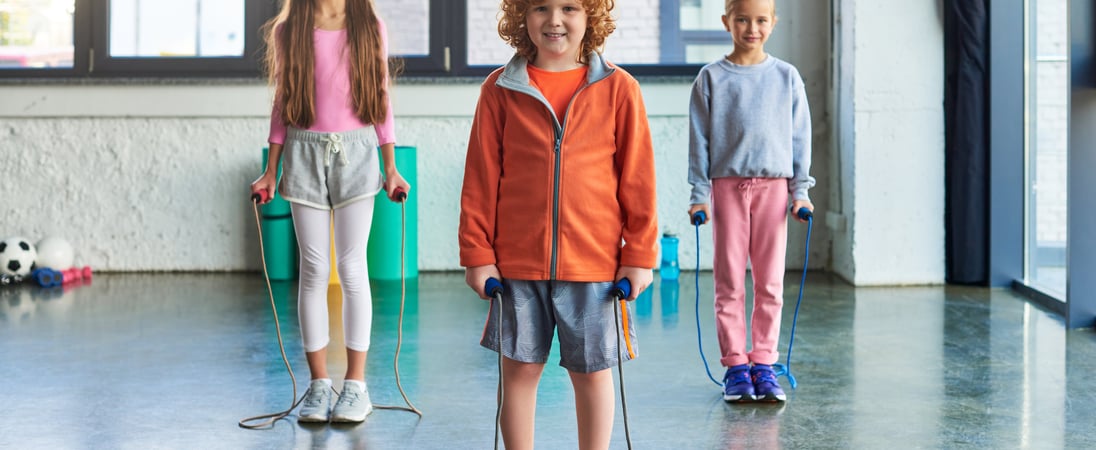
National Skipping Day is a bright, bouncy reminder that fitness does not have to come with a whistle and a clipboard. It invites kids and grown-ups alike to grab a rope, clear a little space, and rediscover a classic playground skill that still holds up as an honest-to-goodness workout.
At its heart, the event is about movement that feels like play. Skipping can elevate the heart rate quickly, challenge balance and timing, and build coordination from head to toe.
It also scales beautifully: a beginner can start with gentle two-foot hops, while seasoned skippers can turn the same rope into a stage for footwork patterns, tricks, and endurance challenges.
How to Celebrate National Skipping Day
Embrace the Community Spirit
National Skipping Day works best when it feels shared, like a neighborhood block party that happens to include cardio.
A simple way to lean into the community spirit is to organize a casual meet-up in a safe, open area: a schoolyard, park, driveway, or even a roomy gym space. The goal is not perfection; it is participation.
To make it welcoming, set up stations that match different comfort levels. One station can be “first jumps,” where people practice turning the rope smoothly and hopping in place.
Another can be “skills corner,” where more experienced skippers demonstrate moves like boxer step, side swings, or high knees. If there are kids involved, a “show and try” format works well: someone demonstrates a trick slowly, then everyone tries it together.
Community groups can also partner with existing after-school programs or youth clubs. A short skipping segment fits neatly into a typical activity session and offers a fast win: even a few minutes of steady skipping can leave participants feeling energized and accomplished.
The most effective community events include a simple safety briefing and a quick warm-up, which sets the tone that this is fun and also worth doing well.
Jump Rope Jamboree
A Jump Rope Jamboree is essentially a friendly competition wrapped in the spirit of a game night. The best versions include variety so different strengths can shine. Some people will excel at speed; others will bring style; others will be impressively consistent and simply outlast everyone.
A solid mix of challenges might include:
- Endurance round: Skip for a set time without stopping. Beginners can start with shorter intervals and gradually build up.
- Speed round: Count the number of jumps within a limited time. Encourage good technique rather than frantic movement.
- Trick round: Award points for new skills, creativity, or clean execution. Even a well-timed criss-cross can feel like a small moment of magic.
- Partner round: Try long-rope jumping, double-dutch turning, or partner tricks using two short ropes.
To keep the atmosphere light, present the “winner” as the person who brings the most enthusiasm, not just the highest score. A simple homemade certificate, a paper crown, or the honorary title of “Jump Rope Champ” is more than enough.
And yes, water breaks are important. Skipping can raise the heart rate quickly, especially for people who have not practiced it recently. A good rule is to pause between rounds, drink water, and do a quick comfort check so everyone stays safe and energized.
School Skipping Spree
Schools are natural settings for skipping because the equipment is affordable, the skill is easy to begin, and it can be practiced in short bursts. A School Skipping Spree can be as simple as a themed recess activity or as structured as a physical education unit with goals and skill progression.
A helpful “toolkit” for schools might include:
- A skills ladder: Begin with basic jumps, then introduce alternating feet, high knees, and simple tricks.
- Classroom-friendly goals: For example, “each student learns one new step” or “the class completes a combined total of 1,000 jumps.”
- Inclusive modifications: Students can mimic the motion without a rope, use a longer rope turned slowly by an adult, or use a beaded rope that gives clearer feedback as it swings.
- Quick technique tips: Keep elbows close to the body, rotate from the wrists, land softly, and look forward instead of down.
It also helps to normalize mistakes. Ropes get tangled. Timing slips. The rope taps the ankles. That is not failure, it is simply part of learning and part of what makes it feel rewarding.
If schools want to connect skipping to learning without turning it into homework, they can add counting, rhythm, and pattern work. Jumping to a steady beat is not only fun, but it also helps students maintain consistent timing, which makes the skill easier and the workout more effective.
Skip, Snap, and Share
Skipping is surprisingly easy to capture on camera. The rope creates a visible rhythm, simple tricks look impressive, and progress can be documented in a way that feels motivating rather than intimidating.
For a social media-friendly approach, focus on participation and creativity. Short clips of someone learning a new move, trying a family challenge, or showing a “before and after” improvement keep the tone approachable. A popular format is the “teach one trick” post, where a move is shown slowly and others are invited to try it.
A few ideas that encourage positive sharing:
- The 30-second streak: Record a short, uninterrupted skipping clip. It does not have to be perfect; it just needs to be real.
- The soundtrack challenge: Choose a song with a steady beat and match jumps to the rhythm.
- The trick trade: One person shares a simple trick, and another responds with a different one.
If children are involved, adults can keep sharing safe by focusing on feet, ropes, and group shots, and by using strong privacy settings. The goal is to spread movement and motivation, not personal information.
Club Hop
A skipping club can turn a one-day celebration into a lasting habit. Clubs provide structure, encouragement, and a steady flow of new ideas, which matters because many people stop skipping for one simple reason: boredom. With others around, there is always a new pattern to learn or a fresh challenge to try.
Clubs are also great places to improve technique, reducing frustration, and lowering the risk of overtraining. Basic coaching makes a big difference. For example, many beginners jump too high, which causes quicker fatigue and harder landings. A club setting reinforces the idea that efficient skipping stays low, light, and relaxed.
For those without a formal club nearby, an informal group works just as well. A weekly meet-up at a consistent location and time helps build momentum. A simple structure might include:
- Warm-up and mobility work for ankles and calves
- Skill practice (one move for everyone)
- Short endurance intervals
- Cooldown and stretching
Over time, clubs can rotate themes such as “footwork week,” “long rope week,” or “music and rhythm week,” keeping the experience fresh and engaging.
Give a Skip Forward
Skipping is a small action that can create meaningful opportunities. Donating ropes, supporting school programs, or helping community fitness initiatives can give more people access to movement that is both enjoyable and practical.
Giving can be simple and hands-on. A group might collect gently used ropes, add a few new ones in different lengths, and create a small “rope library” for children who do not own one. Others might sponsor a workshop or invite an experienced skipper to demonstrate proper technique and safety.
The most meaningful efforts focus on removing barriers. That might mean providing equipment, creating safe play spaces, or offering instruction so beginners feel confident. Skipping is sometimes seen as “just a playground activity,” but with the right support, it becomes a valuable fitness option for many ages and ability levels.
Skipping isn’t just a day; it’s a doorway to fun, fitness, and community connection. This National Skipping Day, let’s make every jump count and share the joy of skipping!
Why Celebrate National Skipping Day?
National Skipping Day celebrates a rare kind of exercise: one that is affordable, portable, and genuinely enjoyable. A rope can fit into a bag, a drawer, or even a pocket, and it can turn a small open space into an instant workout area. That convenience is a big part of its appeal, especially for people who prefer simple routines.
Skipping also offers strong physical benefits in a short time. It raises the heart rate quickly, supporting cardiovascular health. It improves coordination by requiring the hands, eyes, feet, and brain to work together. It strengthens the calves, ankles, and feet, and trains the body to absorb impact with soft, controlled landings.
It is also a quiet confidence booster. Progress comes quickly: smoother turns, fewer catches, and longer streaks without stopping. For children, that “I can do this now” feeling often carries into other activities. For adults, it can be a satisfying way to reconnect with a skill from childhood.
Another reason to celebrate is its flexibility. Skipping can be used as:
- A warm-up before other workouts
- A full cardio session using intervals
- A coordination drill to support sports or dance
- A fun family activity that requires little equipment or experience
The social element matters as well. Skipping naturally brings people together through cheering, turn-taking, and shared learning. Long-rope games, double-dutch turning, and partner challenges build teamwork without feeling like a formal fitness lesson.
In many places, large participation numbers are part of the celebration, with schools and youth groups joining in together. But the real impact is personal and local: a few ropes, a few minutes, and a group of people discovering that movement can feel like play.
National Skipping Day Timeline
1600s
Rope Skipping Arrives in Europe and America
Dutch children’s rope skipping games spread through Europe and are carried to North America by Dutch settlers in the 17th century.
1600s–1700s
Jumping Games Become Common Children’s Play
Written accounts from the 16th and 17th centuries describe children and Indigenous peoples jumping over vines and ropes, showing skipping as an established pastime.
1600–1700
Early Depictions of Children Jumping Rope
Paintings from early modern Europe show children jumping with ropes in cobblestone streets, providing some of the first visual evidence of skipping as play.
Early 1800s
Skipping Adopted as an Exercise for Fitness
By the early nineteenth century, skipping was recognized as a useful exercise, and athletes, including boxers, began using jump rope to build stamina and agility.
1930s–1950s
Urban Double Dutch Culture Flourishes
In mid‑twentieth‑century American cities, especially Black neighborhoods, girls develop elaborate Double Dutch games with ropes, rhymes, and complex footwork.
1973
Double Dutch Revived as Structured Youth Activity
New York police officer Ulysses Williams launches Double Dutch tournaments as a positive outlet for city youth, helping transform skipping into an organized urban sport.
Late 20th Century
Rope Skipping Becomes an International Sport
The International Rope Skipping Federation (later FISAC‑IRSF) helps formalize rules and global competitions, turning a playground game into a judged athletic discipline.
History of National Skipping Day
National Skipping Day began in 2002 with a clear, energetic mission: encourage children to skip more and see exercise as something enjoyable rather than obligatory. Skipping was a smart choice for that mission because it is simple to teach, easy to organize, and instantly engaging.
It does not require a field, a team roster, or expensive equipment. It only requires a rope and a willingness to look a little silly while learning.
From the beginning, the event aligned naturally with schools and youth programs. Educators often look for activities that can involve many students at once while still offering individual challenges. Skipping fits that bill.
A whole class can practice basic jumps together, while more advanced students work on tricks and combinations. It also supports broader physical education goals like rhythm, coordination, balance, and cardiovascular endurance.
As word spread, participation grew. Schools embraced the idea because it was adaptable: it could be a short classroom movement break, a PE focus, a recess celebration, or a larger event that involved families.
Community groups also found it easy to adopt because skipping can happen almost anywhere, indoors or out, as long as there is safe footing and enough clearance for the rope.
Over time, National Skipping Day developed a reputation as an approachable entry point into fitness. The message stayed consistent: health and happiness do not require complicated plans. Sometimes they begin with a rope, a bit of open space, and a willingness to jump, trip, laugh, and jump again.
That ongoing appeal is why the day continues to resonate. Skipping is nostalgic for some, brand new for others, and useful for nearly everyone. National Skipping Day keeps that simple magic in circulation, encouraging people to move their bodies with a little more rhythm and a lot more fun.
Why Skipping Rope Is More Than Just Child’s Play
Jump rope may look simple, but it delivers powerful benefits for the body and overall fitness. From boosting heart health and strengthening bones to improving coordination and athletic performance, these facts reveal why skipping is a smart, effective exercise for all ages.
-
Jump Rope Can Be as Aerobically Demanding as Running
Laboratory studies have found that vigorous jump rope sessions can match or even exceed the cardiovascular demands of moderate running.
For example, one classic trial showed that 10 minutes of jump rope a day improved cardiorespiratory fitness as much as 30 minutes of jogging when participants exercised at comparable intensity levels.
-
Regular Skipping Helps Build Bone in Growing Children
Weight‑bearing, impact activities like jump rope are linked with stronger bones in youth.
Research on school‑age children has shown that simple jump‑based programs performed several times a week can significantly increase bone mineral density at the hip and spine compared with non‑jumping controls, suggesting that short bouts of skipping can meaningfully support skeletal development.
-
Jump Rope Training Improves Speed, Agility, and Balance
Jump rope is widely used in sports conditioning because it challenges timing, coordination, and rapid changes of direction.
Controlled trials with young athletes have found that adding structured rope‑skipping drills to regular practice improves sprint speed, agility test scores, and dynamic balance more than standard warm‑ups alone, highlighting how a simple rope can sharpen complex motor skills.
-
Boxers Have Used Skipping for Footwork Since at Least the Early 20th Century
Historical accounts and coaching manuals describe boxers integrating skipping into training to refine footwork, rhythm, and stamina long before it became a mainstream fitness trend.
By the mid‑1900s, jump rope was a staple of boxing gyms, where fighters used quick, light hops and rhythm changes to mimic ring movement and build endurance without heavy impact sparring.
-
Double Dutch Grew From a Street Game into an Organized Competitive Sport
Double Dutch, in which two long ropes turn in opposite directions while one or more people jump, developed as an urban sidewalk game in the United States and became especially associated with Black and Hispanic neighborhoods in New York City.
In the 1970s, community organizers and physical‑education advocates formalized rules and launched citywide tournaments, and by 1976, the American Double Dutch League was holding annual championships that turned the playground pastime into a judged sport.
-
Jump Rope Rhyme Traditions Reflect Local Culture and History
Children’s skipping rhymes, which are chanted to keep time while jumping, often preserve fragments of local slang, popular songs, and even news events.
Folklorists who have collected jump rope chants across English‑speaking countries note that many rhymes travel and evolve, with verses about school, celebrities, and politics changing from decade to decade, making skipping games a living record of children’s culture.
-
Organized Rope Skipping Now Has World Championships
What began as informal skipping and playground games has grown into a structured international sport combining speed, power, and choreography.
The International Rope Skipping Federation and related bodies now oversee world championships where athletes compete in events such as speed stepping, freestyle routines with acrobatics, and synchronized team performances, judged on difficulty, precision, and creativity.
Also on ...
View all holidays
World Theatre Day
Magical places where stories come to life, the stage is a portal to other worlds, transporting audiences by the power of live performance.

International Scribble Day
With a stroke of a pen, ideas come to life through scribbling. Let your creativity flow and unleash the power of the doodle!

Wear A Hat Day
Whether a cap or a wide-brimmed fedora, headwear can add personality to any outfit and protect your face from the sun.