
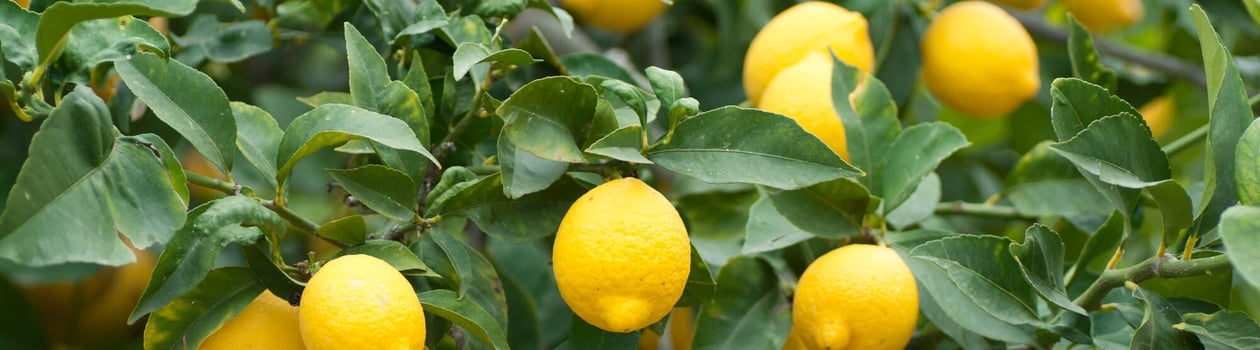
Let’s dive into the world of lemons and celebrate Plant a Lemon Tree Day together! Every year we gather during this time to appreciate these bright, tangy fruits.
This special day isn’t just about planting a lemon tree; it’s about bringing zest and health to our lives and communities.
Plant a Lemon Tree Day Timeline
Early Citrus Cultivation in South and East Asia
Wild citrus species are cultivated in the regions of northeastern India, northern Myanmar, and Yunnan in China, laying the genetic and agricultural foundations from which hybrid fruits such as the lemon will later emerge.
Lemons Reach the Roman World
Archaeobotanical remains and frescoes from Pompeii and other Roman sites show that the lemon had arrived in the Mediterranean by early Imperial times, where it was a rare luxury tree grown in elite gardens.
Lemon Cultivation Expands Under Islamic Rule
Arabic agricultural writers describe cultivating citrus, including lemons, in Persia, Iraq, and the eastern Mediterranean, helping establish the lemon as a familiar orchard and courtyard tree around the Islamic world.
Lemon Trees Carried to the Americas
Christopher Columbus brings citrus seeds, including lemons, on his second voyage to the Caribbean, leading to the gradual spread of lemon trees through Spanish colonies in the Americas.
James Lind’s Scurvy Experiment with Citrus Juice
Scottish naval surgeon James Lind conducts one of the first controlled clinical trials, showing that sailors given oranges and lemons recover from scurvy, which raises the profile of lemon juice as a lifesaving medicinal resource.
British Royal Navy Adopts Citrus for Scurvy Prevention
The Royal Navy begins issuing lemon (later lime) juice as a daily ration for sailors, institutionalizing large-scale provisioning of citrus and encouraging expanded lemon production to meet naval demand.
Modern Lemon Varieties Transform Home and Commercial Growing
The Eureka lemon is selected in California in the 1870s, the Lisbon lemon becomes a dominant commercial variety, and the Meyer lemon is introduced from China in 1908, giving gardeners and growers distinct choices in flavor, hardiness, and productivity.
How to Celebrate Plant a Lemon Tree Day
Let’s add a twist to celebrating Plant a Lemon Tree Day with some quirky and playful suggestions. Keep in mind that these ideas come from blending the spirit of various sources without directly copying any specific instructions:
Throw a Lemon Party—invite friends over for a lemon-themed bash. Think yellow decorations, lemonade stands, and lemon tart contests. Who will be crowned the Lemon King or Queen?
Lemon Dress-Up—Encourage everyone to wear yellow. Better yet, see who can craft the most outrageous lemon-themed outfit. Bonus points for lemon hats!
Lemon Art—Get creative with lemon prints. Slice lemons in half, dip them in paint, and stamp them away on T-shirts or canvas. It’s art with a citrus twist!
Secret Lemon Santa: a bit like Secret Santa, but you gift lemon trees or lemon-themed presents. Imagine the smile when someone receives a miniature lemon tree!
Lemon Scavenger Hunt—Hide lemon-themed items around your garden or home. Participants must find all things lemon to win a zesty prize.
Lemon Recipe Swap—Host a virtual or in-person event where everyone shares their favorite lemon recipes. Discover new lemony delights from friends and family.
Adopt a Lemon Tree—If planting a tree isn’t possible, why not adopt one? Some organizations allow you to adopt trees and receive updates on their growth.
Lemon Movie Marathon – Watch films with ‘lemon’ in the title or that feature lemon in the story. Please remember the lemon-flavored popcorn! These ideas combine the fun, community, and love for lemons that Plant a Lemon Tree Day embodies.
Why Celebrate Plant a Lemon Tree Day?
Lemons have a rich history, spreading across the globe for their flavor, health benefits, and even perfumery use. Imagine a fully grown lemon tree in your backyard, capable of producing up to 220 pounds of fruit annually!
That’s a lot of lemons for lemonade, cooking, or sharing with friends and neighbors. The beauty of Plant a Lemon Tree Day lies in its community spirit. Lemon trees can become gathering spots where neighbors share the fruits and enjoy the shade together. Plus, with varieties like Meyer, Eureka, and Lisbon, there’s a lemon for every taste.
But it’s not just about the fruit; it’s about the impact on our environment and well-being. Planting lemon trees supports nature conservation and raises awareness of the importance of green spaces in our urban landscapes.
It’s a chance to make a tangible difference, beautifying our neighborhoods while contributing to a healthier planet!
History of Plant a Lemon Tree Day
The story of Plant a Lemon Tree Day is a mix of history, culture, and the sheer love for lemons. While the exact origins of the day are a bit fuzzy, the appreciation for lemons stretches back centuries.
Lemons have been around since at least the time of the Romans and were considered a luxury item. Fast forward to the 18th century, when the health benefits of lemons, particularly their vitamin C content, began to gain recognition for treating scurvy among sailors.
The day itself seems to have been established without a clear founder or precise starting date. However, its purpose is clear and widely embraced: to encourage planting lemon trees in communities everywhere.
Lemons are celebrated not just for their culinary and cleaning uses but also for their health benefits and the fresh aroma they bring. The idea is that lemon trees can serve as a communal resource in neighborhoods, providing fruit and a place for people to gather and enjoy the shade.
Plant a Lemon Tree Day has grown into a global event where people are encouraged to plant lemon trees in their yards, community gardens, or even pots for those with limited space. The day highlights the lemon tree’s easy-to-grow nature, its beautiful aromatic blossoms, and the abundance of zesty fruit it provides.
By planting a lemon tree, individuals contribute to biodiversity, beautify green spaces, and foster community spirit by sharing the harvest.
So, while the history of Plant a Lemon Tree Day might not be documented in detail, the spirit of the day is rooted in a deep appreciation for the versatile lemon tree and its many contributions to our health, environment, and communities!
Facts About Plant a Lemon Tree Day
Lemons Are A Relatively Recent Hybrid
Modern lemons (Citrus limon) are not a wild species but a hybrid that likely arose between citron (Citrus medica) and sour orange (Citrus × aurantium) in northern India or the Himalayan foothills, then spread west through Persia and the Mediterranean via Islamic and later European trade networks.
Genetic studies confirm this mixed ancestry, which helps explain lemons’ distinctive acidity and aroma compared with other citrus fruits.
How Much Fruit A Single Lemon Tree Can Produce
Under good growing conditions, a mature lemon tree can yield roughly 100 to 300 pounds of fruit per year, depending on the variety, rootstock, and climate.
University field trials with Eureka and Lisbon trees in California, for example, report average commercial yields in this range, which is why a single backyard tree can easily supply a household and still leave plenty for sharing.
Lemons Were Once A Naval Medicine
By the late 18th and early 19th centuries, the British Royal Navy was issuing daily lemon or lime juice to sailors to combat scurvy, a potentially fatal vitamin C deficiency.
Controlled trials by naval surgeon James Lind in 1747 had shown that citrus fruits were far more effective than other remedies, though it took decades before regular citrus rations were adopted fleet‑wide.
Vitamin C Density In Lemons
Fresh lemons are about 5 to 6 percent citric acid and provide roughly 30 to 50 milligrams of vitamin C per 100 grams of raw fruit, with the exact amount varying by variety and growing conditions.
That means a medium lemon can supply a significant fraction of an adult’s daily vitamin C requirement even when used mainly as juice or flavoring.
Lemons In Mediterranean And Middle Eastern Food Culture
In many Mediterranean and Middle Eastern cuisines, lemons are preserved in salt and their own juices to create “preserved lemons,” a staple ingredient that can keep for months and imparts an intense, mellow citrus flavor to tagines, stews, and salads.
This technique, common in Morocco and North Africa, historically allowed cooks to enjoy lemon flavor long before home refrigeration existed.
Lemon Blossoms And Pollinators
Lemon trees produce fragrant white to pale pink blossoms that are rich in nectar and can bloom several times a year in warm climates, providing a valuable, extended-season food source for bees and other pollinators.
Studies of citrus orchards show that insect pollination can improve fruit set and quality, even though many lemon varieties are partially self‑fertile.
Climate Limits And Container Growing
Lemons are among the most cold-sensitive common citrus trees and are best suited to U.S. Department of Agriculture hardiness zones 9 to 11, where winter temperatures rarely fall below freezing.
In cooler regions, horticulture experts recommend growing lemons in containers that can be moved indoors or into protected spaces during cold snaps, which allows even temperate-climate gardeners to harvest homegrown lemons.