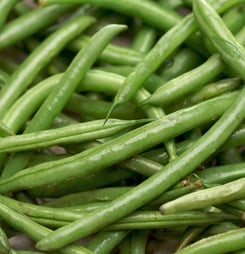

Fitness starts at home. What you eat is what you will look, just as what you sow is what you reap. Eat good food: eat fruits, vegetables, healthy grains, and don’t go for sweet and trite food.
Rakul Preet Singh
Plant Power Facts That Show the Impact of a Plant-Rich Lifestyle
From ancient traditions to modern science, plant-focused eating has played a powerful role in human health, culture, and sustainability.
These facts explore the deep roots of plant-based diets, their benefits for heart health, key nutrients to consider, and their growing importance for both personal well-being and the planet.
Ancient Roots of Plant‑Rich Eating
Archaeological and textual evidence show that plant‑centered eating has existed for millennia, long before modern veganism.
In the Indian subcontinent, traditions linked to the Indus Valley Civilization and later Vedic and Jain teachings encouraged avoidance of meat for spiritual and ethical reasons, while in ancient Greece, philosophers such as Pythagoras promoted diets based largely on grains, fruits, and vegetables as part of a disciplined, philosophical life.
Heart Health and Plant‑Focused Diets
Large cohort studies reviewed by the American Heart Association have found that people who follow primarily plant‑based or “plant‑forward” eating patterns, rich in vegetables, fruits, whole grains, nuts, and legumes, tend to have lower blood pressure, healthier cholesterol levels, and reduced risk of coronary heart disease and stroke compared with those whose diets are high in animal products and refined foods.
Nutrients to Watch in Plant‑Based Eating
Professional dietetic bodies note that well‑planned plant‑based diets can meet nutritional needs across the life span, but they consistently highlight a few nutrients that require special attention, especially vitamin B12, iodine, and sometimes iron and omega‑3 fats.
Vitamin B12, for example, is produced by microorganisms rather than plants and is typically obtained in plant‑based diets through fortified foods or supplements instead of animal products.
Plant‑Rich Diets and Climate Emissions
A major analysis of more than 55,000 people in the UK Biobank found that diets highest in plant foods and lowest in animal products generated about 75 percent less climate‑warming greenhouse gas emissions than meat‑heavy diets. Those same eating patterns were also associated with roughly three‑quarters less water pollution and land use, underlining how everyday food choices can strongly influence environmental footprints.
There’s a lot of noise about vegetarianism and veganism these days, and while there’s much good coming out of these movements, it can be tricky fully eliminating certain food groups from your diet. Plant Power Day is the perfect solution for those trying to include more foliage in their meals and move towards a more plant-rich diet, as this day is all about prioritizing plant-based foods.
Plant Power Day Timeline
Plant-based eating in the Indus Valley
Archaeological and historical evidence from the Indus Valley Civilization in South Asia suggests early forms of vegetarianism, linked to emerging religious and philosophical ideas that discouraged animal slaughter.
Vegetarian ideals in early Indian religions
Teachings within early Buddhism and Jainism in India promote compassion for all living beings and nonviolence, encouraging many adherents to avoid meat and center their diet on plant foods.
Pythagorean vegetarian philosophy
In ancient Greece, Pythagoras and his followers advocated abstaining from meat, connecting a mostly plant-based diet with ideas about the soul, purity, and justice toward animals.
Founding of the Vegetarian Society in Britain
The Vegetarian Society is established in Ramsgate, England, to promote meat-free diets for health, moral, and spiritual reasons, helping turn scattered vegetarian practices into an organized movement.
Birth of the modern vegan movement
Donald Watson and a small group in Britain coined the term “vegan” and launched The Vegan Society, promoting a lifestyle that avoids all animal products and relies entirely on plant-derived foods.
“Plant-based diet” enters nutrition science
Nutrition researcher T. Colin Campbell popularized the term “plant-based diet” in scientific work to describe a low-fat, high-fiber eating pattern built around whole plant foods, emphasizing health rather than ethics.
Rapid growth of the plant-based food industry
Throughout the 2010s, sales of plant-based meat and dairy alternatives surged worldwide, and major retailers expanded dedicated plant-based sections, signaling mainstream acceptance of plant-powered eating.
History of Plant Power Day
Although there has been a recent upsurge in diets that avoid animal products, plant powered eating has been around for thousands of years for both practical and ethical reasons. Early proponents of vegetarianism, for example, include the Buddha and the Greek philosopher Pythagoras.
The plant-based industry has really taken off over the past couple of decades or so, with vegetarian and vegan restaurants popping up all over the place and supermarkets adding plenty of plant-based items and ‘free from’ sections to their ranges. During 2018-19, the US market for plant-based foods grew by over 30%, an increase eight times larger than the growth rate of the food market overall, demonstrating the boom in plant powered choices among consumers.
Plant Power Day was launched in 2018 by the European company Alpro, which specializes in plant-based products, in collaboration with the vegan recipe business BOSH!. It was established to encourage people to eat more vegetables and other plant-based foods as part of their daily meals and beverages.
It’s not necessarily about cutting out animal products entirely, but rather about making plants the centerpiece of your diet and considering plant-based options first, either just for the day itself or longer term! Trade out milk for orange juice, hamburgers for eggplant, ice cream for sorbet! These kinds of choices are not only healthier for you, but they’ll also help ensure your eating habits are more conscientious.
The benefits of going plant powered
Generally speaking, people tend to prioritize plant powered consumption for one or a combination of three main reasons: health, ethics and the environment.
Plant-based foods such as tofu, lentils, legumes, nuts, fruits and vegetables tend to be high in fiber and rich in various nutrients, and well-planned plant-based diets have been deemed healthy at every stage of life by dietary organizations such as the American Academy of Nutrition and Dietetics and the British Dietetic Association. Well-planned is the key word here, as relying solely on plants can put people more at risk of certain deficiencies such as iron and Vitamin B12. However, it is perfectly possible to get all necessary nutrients through a well-managed plant powered diet.
Many people focus on the ethical implications of going plant-based, which helps to reduce the consumption and exploitation of animals and the prevalence of factory farming. There are also various environmental advantages, such as decreased water consumption, greenhouse gas emissions and land usage. And by freeing up land usually used to grow crops for feeding livestock, plant powered products contribute to increasing worldwide food production and protecting biodiversity.
Do take care when choosing your plant-rich foods, however, especially if your focus isn’t on health but on making less of an impact on animals and the planet. Carefully research where your food is grown and how it makes it to the table. After all, it doesn’t help the earth if your dinner is transported halfway across the world from fields that are the result of destroying animal habitat and eradicating rainforests.
How to celebrate Plant Power Day
The best way to celebrate Plant Power Day is to have an entire set of meals that are completely plant-based. Also take the time to find out where the plants you’ll be using are sourced from. This allows you to not only have a healthier meal but to make sure it’s good for the planet as well.
One easy way to get started with plant-based eating is to swap and substitute. Pick one of your favorite recipes, identify the ingredients that come from animals and simply swap these out for plant-based alternatives. Usually love a chicken curry? Give tofu, tempeh or seitan a whirl instead. Big on baking? Try baking powder, flaxseed or aquafaba (chickpea water) in place of eggs. Dependent on your morning coffee? Swap out your regular diary milk and substitute it with oat, almond or soy milk.
There are also countless vegetarian and vegan recipes, cookbooks and cooking channels available so you can try your hand at something completely new. As Alpro did when the day first launched, you could even go so far as to turn your traditional repast into a ‘planquet’! What’s a planquet you ask? It’s a banquet featuring all kinds of plant powered products. These spreads can be shared with family, friends and colleagues to help get everyone involved in Plant Power Day.
Even if rustling something up in the kitchen isn’t your forte, there are sure to be plant-based options on the menu at your local restaurant as well as nearby establishments dedicated exclusively to plant-powered dining. Street food markets and fairs tend to be other great places for finding delicious products made by experts.
When it comes to plant power, every little helps! Even small steps can make a big difference, so get your family and friends involved and sow the seeds for a healthier and more sustainable future this Plant Power Day.
Plant Power Facts That Show the Impact of a Plant-Rich Lifestyle
From ancient traditions to modern science, plant-focused eating has played a powerful role in human health, culture, and sustainability.
These facts explore the deep roots of plant-based diets, their benefits for heart health, key nutrients to consider, and their growing importance for both personal well-being and the planet.
Ancient Roots of Plant‑Rich Eating
Archaeological and textual evidence show that plant‑centered eating has existed for millennia, long before modern veganism.
In the Indian subcontinent, traditions linked to the Indus Valley Civilization and later Vedic and Jain teachings encouraged avoidance of meat for spiritual and ethical reasons, while in ancient Greece, philosophers such as Pythagoras promoted diets based largely on grains, fruits, and vegetables as part of a disciplined, philosophical life.
Heart Health and Plant‑Focused Diets
Large cohort studies reviewed by the American Heart Association have found that people who follow primarily plant‑based or “plant‑forward” eating patterns, rich in vegetables, fruits, whole grains, nuts, and legumes, tend to have lower blood pressure, healthier cholesterol levels, and reduced risk of coronary heart disease and stroke compared with those whose diets are high in animal products and refined foods.
Nutrients to Watch in Plant‑Based Eating
Professional dietetic bodies note that well‑planned plant‑based diets can meet nutritional needs across the life span, but they consistently highlight a few nutrients that require special attention, especially vitamin B12, iodine, and sometimes iron and omega‑3 fats.
Vitamin B12, for example, is produced by microorganisms rather than plants and is typically obtained in plant‑based diets through fortified foods or supplements instead of animal products.
Plant‑Rich Diets and Climate Emissions
A major analysis of more than 55,000 people in the UK Biobank found that diets highest in plant foods and lowest in animal products generated about 75 percent less climate‑warming greenhouse gas emissions than meat‑heavy diets.
Those same eating patterns were also associated with roughly three‑quarters less water pollution and land use, underlining how everyday food choices can strongly influence environmental footprints.
Land Use and Biodiversity Benefits
Livestock production uses around 77 percent of global agricultural land yet supplies only about 18 percent of the world’s calories, according to a landmark synthesis of farm data published in Science.
Shifting toward plant‑based foods frees up land that can be used more efficiently for crops eaten directly by people or restored as natural habitat, which researchers identify as one of the most powerful levers for protecting biodiversity.
Water Savings from Plant‑Based Foods
Comparisons of life‑cycle assessments show that producing plant‑based foods typically requires far less freshwater than raising livestock.
Earth Day’s review of such data notes that a popular pea‑protein burger has roughly 99 percent less impact on water scarcity than a conventional beef burger, illustrating how substituting plant proteins for red meat can dramatically cut a meal’s water footprint.
Global Boom in Plant‑Based Products
The plant‑based food sector has grown from a niche category to a multibillion‑dollar industry, with the Good Food Institute reporting that U.S. retail sales of plant‑based foods grew more than three times faster than total food sales between 2018 and 2020.
This surge spans categories from plant milks and meat alternatives to plant‑based yogurts and creamers, reflecting mainstream consumer interest in health, sustainability, and animal welfare.