Pralines have a talent for being many things at once: a crunchy caramelized nut, a silky nut paste tucked into fine chocolate, or a creamy, pecan-studded candy that seems to melt the second it hits the tongue.
National Pralines Day celebrates the whole delicious family, along with the craft and cultural stories that turned a simple sugar-and-nut combination into a beloved confection across continents.
Pralines show up wherever people take sweets seriously, and the word itself can mean different treats depending on where someone learned to love them. That variety is part of the fun.
One person imagines a glossy chocolate shell with a soft center, another thinks of a buttery pecan patty, and a third pictures almonds crackling under a thin coat of caramel. National Pralines Day makes room for all of them.
How to Celebrate Praline Day
The most straightforward way to celebrate National Pralines Day is, of course, to eat a praline. The second-best way is to taste several and decide which style deserves the most dramatic praise. Since “praline” can mean different confections, a good celebration starts with a little choosing.
A classic approach is to visit a local candy shop or chocolatier and ask what they carry under the praline name. Some shops lean toward chocolate pralines, meaning filled chocolates made with praline paste, ganache, or nut creams. Others make old-fashioned nut-and-sugar candies, often in small batches.
If samples are offered, it is practically a public service to try them. Paying attention to texture and flavor turns a quick bite into a mini tasting: Does it snap, crumble, or melt? Is the nut flavor toasted and deep, or more delicate? Is the sweetness caramel-like, milky, or chocolate-forward?
Celebrating can also mean bringing pralines into a dessert spread rather than eating them solo. Crumbled pralines make a surprisingly elegant topping for ice cream, yogurt, pancakes, or a bowl of fruit. The contrast is the point: creamy against crunchy, cold against caramel warmth.
Praline paste, sometimes labeled praliné, can be stirred into whipped cream, folded into frosting, swirled through cheesecake batter, or used as a filling for cookies and pastries. Even a small spoonful can make a plain dessert taste like it came from a pastry case.
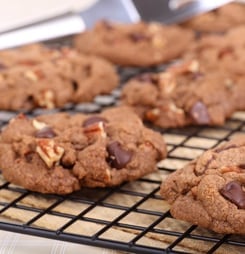
For people who like a hands-on project, making pralines at home is equal parts cooking and chemistry. American-style pecan pralines typically involve sugar cooked with dairy and butter until it reaches a specific stage, then nuts are stirred in and the mixture is beaten or stirred until it turns thick and slightly matte before being spooned into rounds to set.
The process moves quickly once it hits the right temperature, so preparation matters. Having the nuts toasted and ready, a sheet pan lined, and a spoon or scoop waiting on standby can be the difference between neat little patties and a single pan-sized praline slab. Either result is still edible, which is one of candy-making’s more comforting truths.
Those who prefer the French-style caramelized nuts can celebrate by making a batch of sugar-coated almonds or hazelnuts. The technique is different: the goal is a crisp caramel shell around individual nuts, not a creamy candy. These can be eaten like candy, chopped into baked goods, or ground into a nutty caramel paste. It is a satisfying project for anyone who enjoys watching sugar transform from grainy to glossy.
National Pralines Day also works beautifully as a sharing occasion because pralines travel well when packed properly. A small box of mixed pralines makes an easy gift, and the variety encourages conversation. It becomes an informal, delicious debate: soft center or crunchy? pecan or hazelnut? milk chocolate or dark?
Dietary needs can join the party, too. Many confectioners offer options made with sugar substitutes or reduced sugar, and nut-forward sweets can sometimes be adapted in smaller portions since the flavor is so intense. The practical tip is moderation and mindful ingredient checking, especially for anyone managing blood sugar or allergies. Pralines are unapologetically rich, so a little can go a long way.
Another fun way to celebrate is to learn the vocabulary of pralines, because it explains why the same word can lead to different expectations. In many pastry kitchens, praliné refers to caramelized nuts ground into a paste used for fillings and flavoring.
In some places, “praline” may point to a filled chocolate. And in parts of the United States, especially where pecans reign supreme, “praline” often means a creamy candy patty. There is no wrong answer, just different traditions under one sweet umbrella.
National Pralines Day Timeline
French Court Origins of Praline
In the household of French nobleman César, duc de Choiseul, comte du Plessis-Praslin, a cook reputedly creates a new sweet by coating toasted almonds in caramelized sugar, giving rise to the first “pralines.”
Pralines Arrive in New Orleans
Ursuline nuns reach New Orleans from France and are credited in local tradition with teaching young women to make pralines, helping establish the candy in Louisiana cooking.
Pecan Replaces Almond in Louisiana
As French praline recipes adapt to local conditions, cooks in Louisiana substitute plentiful native pecans for scarce almonds, creating the distinct American-style pecan praline.
Praline Vendors and Free Women of Color
In New Orleans, pralines become a street food sold by “praline women,” many of them free women of color who use candy making and vending as an important source of income and independence.
Jean Neuhaus Covers Medicine with Chocolate
In Brussels, pharmacist Jean Neuhaus begins coating bitter medicines in chocolate to make them more palatable, an experiment that lays the groundwork for the later Belgian “praline” chocolate.
Birth of the Belgian Filled Praline
Jean Neuhaus Jr. replaces his father’s medicinal fillings with sweet centers and introduces bite-sized chocolates with a hard shell and soft interior, which come to be known as Belgian pralines.
Praline Styles Diversify Worldwide
By the late 1900s, “praline” could mean French caramelized nuts, New Orleans–style creamy pecan candies, or Belgian-filled chocolates, reflecting centuries of regional adaptation of the original idea.
History of National Pralines Day
The confection celebrated on National Pralines Day has an older and more colorful history than the day itself. While the modern observance is widely recognized as a food-themed day on the calendar, the praline’s real story stretches back centuries and changes shape as it crosses borders.
The earliest pralines are linked to France in the 17th century, associated with the household of César de Choiseul, duc de Plessis-Praslin. The name “praline” is commonly connected to that title, and the confection that carried it was simple but clever: nuts, especially almonds, coated in caramelized sugar.
This version is closer to candied nuts than to the creamy pralines many people picture now. It is crisp, glossy, and built around the contrast between bitter nut and sweet caramel.
That French foundation matters because it established the praline’s core identity: toasted nuts plus cooked sugar, handled with enough technique to become something more than the sum of its parts. Once confectioners realized that caramelized nuts could be chopped, layered into desserts, or ground into a paste, pralines moved from being a standalone sweet to becoming a versatile building block in pastry.
In professional pastry, this evolution becomes praliné: caramelized almonds or hazelnuts ground into a paste that is smooth, fragrant, and intensely nutty. It can be mixed into creams, folded into mousses, or used as a filling in chocolates.
Praliné is one of those ingredients that quietly powers a lot of “fancy dessert” flavor. People may not recognize the word on a label, but they recognize the taste: toasted nuts, caramel, and a warm, rounded sweetness.
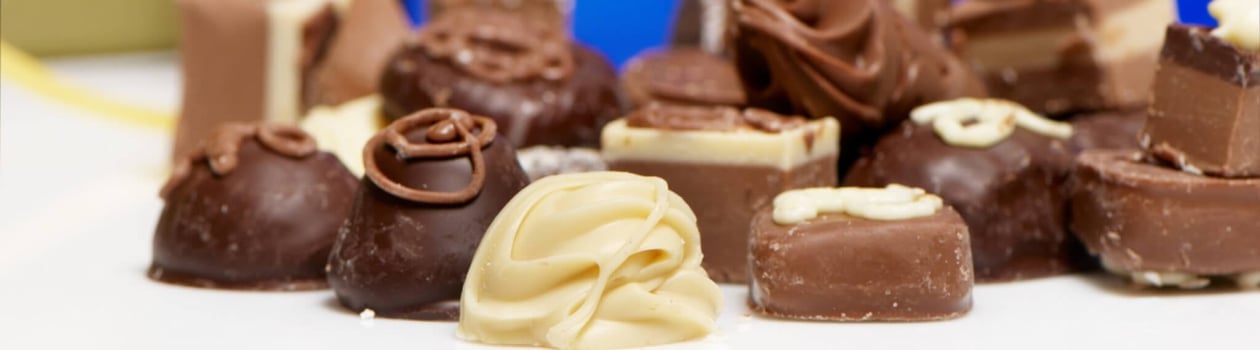
Belgium adds another layer to the praline story. In Belgian chocolate culture, “pralines” are commonly understood as filled chocolates, typically a chocolate shell with a soft center. Those centers might be nut pastes, creams, ganaches, or other confectionery fillings.
This meaning can surprise anyone who expects a pecan patty, but it makes sense in a world where chocolate craftsmanship is a point of pride and filled chocolates are a signature treat. The praline, in this sense, is not just a flavor but a format: a small, refined package of chocolate with something luxurious inside.
Across the Atlantic, the praline took a particularly influential turn in Louisiana. Pralines became part of local food culture during the French colonial era, and over time the candy adapted to local ingredients and tastes. One of the biggest shifts was the nut itself.
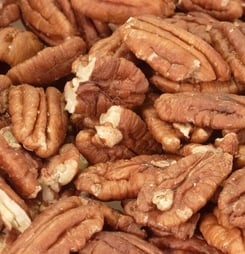
Almonds, so common in French versions, were not always the most practical choice in Louisiana. Pecans, however, were abundant and well-loved. Swapping pecans for almonds did more than change flavor. It helped define a distinctly American style of praline, one that is now strongly associated with New Orleans and the broader American South.
The American Southern praline also changed texture. Instead of crisp caramelized sugar around individual nuts, the candy often became creamy and fudge-like, thanks to the use of dairy such as milk or cream and the addition of butter. The result is a confection that can be slightly crumbly at the edges, tender in the center, and packed with toasted pecans. It is rich, sweet, and deeply comforting.
The cultural story of pralines in New Orleans includes the women who sold them as street vendors in the 19th century, often referred to as praline women or praline ladies.
These vendors helped spread the candy’s popularity and made it part of everyday city life, not just something reserved for special occasions or private kitchens. Their work connected pralines to entrepreneurship, community life, and the practical reality that food can be both a craft and a livelihood.
Even pronunciation tells a bit of the praline’s journey. In some places, “prah-leen” reflects French influence, while elsewhere “pray-leen” is common. Both pronunciations persist, and neither one stops the candy from being eaten, which is the most important outcome.
National Pralines Day, then, sits on top of this layered history. It is a celebration of a confection that keeps reinventing itself without losing its essential character. Whether it appears as caramelized nuts, praline paste, filled chocolates, or creamy pecan candies, the praline remains a masterclass in what sugar and nuts can do when treated with a little respect and a touch of flair.
Praline’s Name Traces Back to a 17th‑Century French Noble
The word “praline” is widely believed to come from the title of César, duc de Choiseul, comte du Plessis‑Praslin, a French diplomat whose household cook created caramelized almonds that became associated with his name. Over time, the sweets were called “pralines,” and the crushed nut-and-caramel mixture evolved into “praliné,” a staple flavoring in French pastry.
French Praliné Paste Helped Transform European Pastry
Classic French praliné begins as almonds or hazelnuts coated in caramelized sugar and then finely ground into a smooth paste. This intensely nutty, caramel-flavored praliné became a foundational ingredient for entremets, bonbons, and layered cakes, influencing desserts such as Paris–Brest and many modern patisserie creations.
Belgian “Pralines” Are Really Filled Chocolates
In Belgium, the word “praline” usually refers not to sugar-coated nuts but to molded chocolates with a crisp shell and soft filling. Early 20th‑century chocolatiers popularized this style, using tempered chocolate for the outer casing and fillings that often included nut praliné, ganache, or creams, turning the praline into a showcase for chocolate technique rather than caramelized nuts alone.
Pecans Turned a French Candy into a Southern U.S. Icon
When French culinary traditions reached Louisiana, cooks adapted almond pralines to local conditions by substituting pecans, which were abundant in the region. Combined with sugar, butter, and milk or cream, these pecan pralines developed a soft, fudge-like texture and became a hallmark confection of New Orleans and the broader American South.
Praline Vendors Offered Income for Black Women in New Orleans
In 19th‑century New Orleans, pralines were closely associated with African American and Creole women who sold the candies on streets and in public squares. Regional historians note that these “praline women” used candy-making and vending as a way to earn cash income and carve out limited economic autonomy in a racially stratified economy.
American Pralines Depend on Controlled Sugar Crystallization
The creamy, slightly grainy texture of American pecan pralines comes from cooking sugar, dairy, and butter to around the “soft-ball” stage (about 235 °F / 112 °C) and then beating the mixture as it cools. Food science research on candy making shows that this process forms many tiny sugar crystals, while milk proteins and butterfat interfere with crystallization, yielding a texture closer to fudge than to brittle caramel.
Caramelization and Maillard Reactions Shape Praline Flavor
As praline mixtures cook, two key browning reactions help develop their characteristic flavor: caramelization of sugars at high heat and the Maillard reaction between milk proteins and sugars when dairy is present. These chemical changes deepen color and produce complex toasted, nutty, and butterscotch-like notes that distinguish well-made pralines from simple sugar syrups.
:::