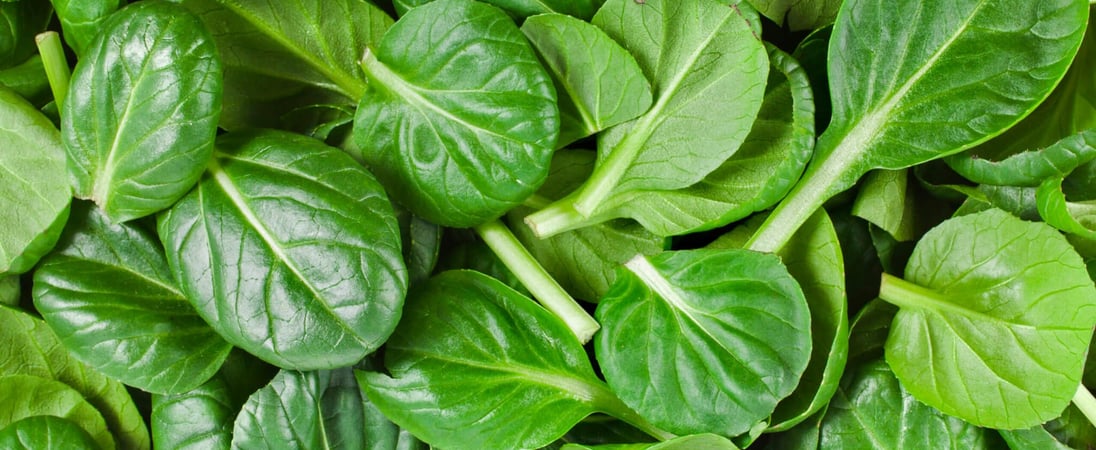
National Spinach Day
This leafy green is packed with nutrients to boost your health and energy. Add it to your meals for a tasty and nutritious boost!
It’s not just Popeye who will be strong to the finish on National Spinach Day. In fact, anyone who chooses to celebrate the day by consuming some of this leafy green plant will get to join in on the health benefits as well!
Packed with nutrients such as Iron, Vitamin A and Calcium, spinach is known for being a healthy part of a balanced diet – but do we eat enough of it?
Well, that’s what National Spinach Day is all about!
National Spinach Day Timeline
7th century CE
Spinach Reaches China as the “Persian Vegetable”
Traders carry spinach from its Persian homeland into China, where texts describe it as the “Persian vegetable” or “Herb of Persia,” marking one of the earliest recorded eastward spreads of the crop.
9th–12th centuries CE
Spinach Enters the Mediterranean and Spain
Arab agronomists introduced spinach to Islamic Sicily by the 9th century, and it appears in Spanish agriculture by the 12th century, becoming established around the Mediterranean as a cultivated leafy green.
14th century
Spinach Becomes Popular in England and France
By the 1300s, spinach was documented in England and France, valued in part because it can be harvested early in spring when few other vegetables are available, helping it gain a firm place in European cooking.
Mid‑16th century
Catherine de’ Medici and the Rise of “Florentine” Spinach Dishes
When Florentine-born Catherine de’ Medici became queen consort of France, she reportedly favored spinach so much that dishes prepared on a bed of spinach are called “à la florentine,” a culinary term still used today.
Early 19th century
Spinach Cultivation Spreads in North America
European settlers established spinach as a garden and market crop in North America during the early 1800s, integrating Spinacia oleracea into the developing vegetable industry of the United States.
January 17, 1929
Popeye Debuts and Soon Adopts Spinach as His Power Food
Popeye the Sailor first appears in the “Thimble Theatre” comic strip, and within a few years, the character’s trademark habit of eating spinach for instant strength helps cement spinach’s image as a health food.
1930s
Popeye Boosts American Spinach Consumption
During the 1930s, U.S. spinach growers credited Popeye with increasing national spinach consumption by about 33 percent, illustrating how popular culture can significantly influence eating habits and agricultural markets.
How to Celebrate National Spinach Day
While it might seem a little far-fetched to spend the day celebrating the wonders of spinach, it’s possible–and can even be a load of fun! People who want to celebrate National Spinach Day can employ a variety of ideas for ways to the day, it just takes a bit of creativity.
Consider giving these ideas a try or come up with other ideas of your own:
Try Creative Ways to Serve Spinach
Why not try a new recipe on National Spinach Day? Sauté it in olive oil and a little bit of garlic – or what about a baby spinach salad with mozzarella cheese, avocado slices, and crispy bacon crumbled on top? Delicious!
Other tasty ideas for meals that include spinach are:
- Bacon, spinach, and gorgonzola pasta
- Spinach, artichoke, zucchini dip (with pita bread or baguette)
- Spinach spanakopita (a traditional Greek pastry dish)
- Creamy spinach soup
- Spinach lasagna (a vegetarian take on the traditional Italian dish)
- Spinach pesto on flatbread pizza
- Spinach quiche (also called Quiche Florentine)
- Mushroom and spinach risotto
Some people like to purée spinach up and hide it in soups and pizza sauces for the finicky eaters in the family who may not prefer to eat it straight up.
So, no excuses – get your leafy greens down on National Spinach Day!
Learn About the Health Benefits of Spinach
Just like many vegetables, the healthiest way to serve and eat spinach is fresh and raw. However, even when it is cooked, it still remains one of the healthier vegetables. These are just some of the many nutritional benefits:
- Fiber aids the digestive system
- Vitamin A (carotene), for healthy organs and eyes
- Iron helps with red blood cells and tissue health
- Vitamin C, antioxidants, and a booster for the immune system
- Folic Acid, useful in cell function and tissue growth
- Calcium, essential for bone health
- Antioxidants, help remove free radicals that cause oxidative damage
While spinach also has a small amount of natural sugars and carbohydrates, these are small in comparison to the myriad of other health benefits provided by this tasty veggie.
Try Growing Spinach in the Garden
Getting enough leafy greens in the diet is much easier for people who can grow their own! And, actually, spinach is not a particularly difficult one to grow. It’s an annual plant, meaning that it needs to be re-planted from seed each year, but it’s hardy and enjoys weather that is somewhat cool (but not cold).
National Spinach Day might be a bit too soon in the year to start a garden outdoors in many parts of the world. If this is the case, it’s simple to begin an indoor planting of spinach from seed and then move it outside when the weather permits.
Spinach likes cool weather. So, as long as there is no risk of frost, the spinach plants should do fine outside in the spring.
As soon as the leaves are large enough to eat, the spinach is ready for harvest. It is healthiest when eaten as quickly as possible after harvesting. However, it can be stored, loosely packed, in a sealed plastic bag for several days.
Don’t wash it ahead of time as it could get mushy. Simply wash it just prior to eating or cooking with it. It can also be frozen while it is still fresh.
Since it only takes about 6 weeks from the sowing of seeds to harvest time, it has a quick turnaround time. This means that it’s a great vegetable to grow in the spring as well as in the cooler autumn months so that there’s enough for the family to eat all throughout the growing season.
Take in Some ‘Popeye, the Sailor Man’
Some younger folks might not be familiar with the connection between Popeye and spinach. But those of a certain generation will possibly remember not only the Saturday morning cartoon but also the little jingle song that went along with it!
Going further back, even before it was an animated cartoon, more mature folks might remember that Popeye started out as a comic strip in the newspapers in the late 1920s. Eventually, decades later, a live-action film tribute was created in 1980, starring Robin Williams.
The theme of the character, Popeye, was that he was a rather average little sailor guy, with eerily large, tattooed forearms who smoked a pipe.
And when he ate his spinach? Well, he would immediately gain superhuman strength and be able to punch the lights out of his arch-nemesis, Bluto, in order to help one of his friends who were in need. (Popeye and Bluto were constantly fighting over the affections of the tall, extremely skinny Olive Oyl.)
As it turns out, pop culture actually can have a positive influence on the world, proven by Popeye. After the character started eating spinach, children began asking for it and sales in the United States skyrocketed by one-third.
That was quite a boost for the spinach industry–and the health of those children!
Surprising Facts About Spinach
From ancient trade routes to scientific myths and garden quirks, spinach has a story that goes far beyond the plate.
These fascinating facts reveal how this humble leafy green traveled the world, adapted to its environment, and earned—sometimes mistakenly—its reputation as a nutritional superstar.
-
Spinach’s Journey From Persian “Herb” to Global Crop
Modern spinach (Spinacia oleracea) is native to central and southwestern Asia.
It is widely believed to have originated in the region of ancient Persia, from where it spread east into India and China and west into the Mediterranean by the Middle Ages.
Medieval trade routes helped carry spinach seed to Spain and then to the rest of Europe, where it was prized partly because it grew well in cool seasons when few other vegetables were available.
-
Why Spinach Bolts So Quickly in Warm Weather
Garden spinach is a cool-season annual that naturally forms a low rosette of leaves, but when days lengthen and temperatures rise, it rapidly “bolts,” sending up a tall flowering stalk and turning leaves bitter.
This response is driven by daylength and heat, which signal the plant to shift from leaf production to reproduction, so commercial and home growers sow early in spring or late in summer and often choose slower-bolting cultivars to extend harvests.
-
The Decimal-Point Myth Behind Spinach’s “Super Iron” Reputation
Spinach’s fame as an iron powerhouse partly traces to an oft-cited 19th‑century laboratory value that overstated its iron content by a factor of ten due to a decimal-point error, later corrected by nutritionists.
In reality, raw spinach contains about 2.7 mg of non‑heme iron per 100 g, and its high oxalate content further reduces how much of that iron the body can absorb, which is why nutrition guidelines no longer single it out as an exceptional iron source.
-
Oxalates in Spinach Can Block Calcium and Cause Issues for Some People
Spinach is unusually rich in oxalic acid, which binds with minerals like calcium to form insoluble salts that the body cannot easily absorb, so the impressive calcium numbers on a nutrition label overstate how much the body actually uses.
These oxalate salts are also a concern for people prone to certain kinds of kidney stones, leading many clinical nutrition resources to classify spinach as a high‑oxalate food that should be limited in at‑risk patients.
-
Cooking Changes Spinach’s Nutrient Profile in Surprising Ways
Heating spinach wilts its volume and breaks down cell walls, which can increase the availability of fat‑soluble carotenoids such as beta‑carotene and lutein, but it also lowers heat‑sensitive vitamin C and folate levels.
Studies comparing raw and cooked spinach show that boiling or blanching can substantially reduce water‑soluble vitamins and some oxalate content, while gentle sautéing or steaming tends to preserve more nutrients overall.
-
Spinach as a Major Source of Folate and Eye‑Protective Carotenoids
Beyond basic vitamins, spinach is one of the richest vegetable sources of folate, which is vital for DNA synthesis and especially important in early pregnancy, and it also provides significant amounts of lutein and zeaxanthin.
These carotenoids accumulate in the retina, and epidemiological studies have linked higher intakes, often from leafy greens like spinach, with a lower risk of age‑related macular degeneration.
-
Spinach Has Become a High-Volume Global Commodity Crop
Although it began as a regional leafy green, spinach is now a globally traded vegetable, with worldwide production surpassing 30 million metric tons annually and China accounting for the vast majority of that output.
International food balance data show that per‑capita availability of spinach has risen markedly in recent decades, reflecting both large‑scale commercial production and the vegetable’s integration into cuisines far beyond its original range.
National Spinach Day FAQs
Did Popeye’s love for spinach really boost its popularity?
Yes, Popeye the Sailor Man played a huge role in making spinach famous during the 1930s.
The cartoon character’s reliance on spinach for superhuman strength caused a 33% increase in spinach consumption among American children.
This boom even helped farmers during the Great Depression by increasing demand. Even today, Popeye remains an iconic symbol of healthy eating and strength.
How did spinach inspire an unusual scientific experiment with solar energy?
In 2010, researchers used spinach in groundbreaking solar energy experiments.
Scientists at MIT extracted a protein from spinach leaves that converts sunlight into energy during photosynthesis.
They incorporated this protein into solar cells to mimic natural energy production. This research contributed to advancements in green technology.
Is it true that spinach was used as a medicinal remedy in ancient times?
Ancient Persians believed spinach had powerful healing properties. They used its juice to treat digestive issues and reduce inflammation.
In medieval Europe, it was a go-to remedy for sore throats and fevers. Physicians recommended eating spinach for its “cooling” effect on the body.
Spinach even made its way into 16th-century medical texts, where it was praised for promoting healthy skin and eyesight.
These traditions laid the foundation for modern science recognizing spinach as a superfood.
Why do some cultures consider spinach a “spring cleansing” food?
Spinach, one of the first greens to sprout in spring, symbolizes renewal in many cultures.
Its high water content and rich nutrients make it perfect for detoxifying after winter’s heavier diet. In Eastern European traditions, spinach is included in spring feasts to “cleanse the blood.”
In Italy, spinach dishes often appear during Lent as part of fasting rituals.
This tradition has even inspired modern “spring cleanses,” with spinach smoothies and salads becoming trendy ways to welcome warmer weather.
How did spinach juice once help prevent scurvy at sea?
Spinach became a lifesaver for sailors in the 18th century. Its high vitamin C content helped fight scurvy, a disease caused by nutrient deficiency during long voyages.
Ship captains often stocked barrels of spinach juice as a preventive measure. This early use of spinach helped highlight its health benefits and boosted its reputation worldwide.
What’s the weirdest way people have celebrated spinach?
In Crystal City, Texas, a town famous for its spinach farms, festivals honoring spinach take a quirky turn.
One of the highlights was the “Spinach Can Throwing Contest,” where participants hurled cans of spinach as far as possible.
Another tradition involved baking the world’s largest spinach salad, drawing crowds to celebrate their local crop.
Why do chefs say spinach is “nature’s seasoning”?
Spinach contains natural glutamates, compounds that enhance the savory flavors of other ingredients. This makes it a favorite in soups, stews, and sauces.
For example, adding spinach to chicken stock creates a richer, more balanced taste.
In Indian cooking, palak paneer combines spinach with spices to amplify the flavors of the dish. Spinach’s ability to act as a flavor booster has made it an essential ingredient in many cuisines around the world.
Is it true that frozen spinach saved millions during wartime?
During World War II, frozen spinach became a dietary staple. Its long shelf life and high nutritional value made it a perfect food for soldiers and civilians.
Governments encouraged people to grow spinach in “Victory Gardens,” then preserve it by freezing or canning.
Frozen spinach was especially valued for providing iron and vitamins during rationing. This innovation helped spinach become a household staple in post-war kitchens, thanks to its convenience and health benefits.
What’s the link between spinach and European art?
In the Middle Ages, artists extracted green pigment from spinach to create natural dyes for paintings and textiles.
Spinach juice provided a vibrant, earthy green that was affordable compared to expensive mineral-based dyes. Artists sometimes used spinach ink for illuminated manuscripts.
Though these natural pigments faded over time, spinach’s role in art history reflects its surprising versatility.
Today, artists occasionally revisit these medieval techniques for eco-friendly projects.
How does Japan celebrate spinach’s cultural importance?
In Japan, spinach plays a key role in traditional dishes like ohitashi, where it’s blanched and seasoned with soy sauce.
Spinach is also a common ingredient in osechi-ryori, a set of symbolic foods prepared for New Year celebrations. The green color represents health and vitality for the coming year.
History of National Spinach Day
Originally from Persia (the area that is now Iran), spinach made its way to China in the 7th century, where the people referred to it as the “Herb of Persia” or the “Persian Green”.
The vegetable eventually ended up in Europe a few hundred years later, when it landed in Spain. In fact, for some time the English referred to spinach as “The Spanish Vegetable”. It didn’t make its way to being cultivated in North American until sometime in the early 1800s.
Possibly the most famous person in history to be associated with spinach is 16th-century noblewoman, Catherine de’ Medici, who ruled France from behind her three sons for many years. Originally from Florence, Italy, she moved to France when she married King Henry II.
It is said that Catherine loved spinach and made sure her cooks served it at every meal. Because of this, even today, meals that are made with spinach are often known as “Florentine” in honor of the birthplace of Catherine de’ Medici.
This dark, leafy green vegetable that grows in groups that form a rosette-type shape is part of the “goosefoot” family, with its close relatives being Swiss chard and quinoa, as well as beets. Spinach has a few different varieties that offer different shapes and sizes of leaves.
Taking some time to celebrate National Spinach Day acts as a little nod to this tasty, healthy vegetable.
Also on ...
View all holidays
National Science Appreciation Day
This noble pursuit of knowledge unveils the wonders of creation, empowering humanity with innovation and understanding.

Purple Day
Raising awareness about a condition that affects millions worldwide is vital in promoting understanding, education, and compassion towards those living with epilepsy.