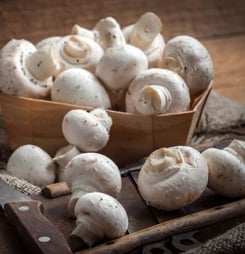

Few things can match the flavor of a stuffed mushroom, and National Stuffed Mushroom Day invites eaters to pay attention to this small-but-mighty bite. It is part appetizer, part snack, and part edible delivery system for anything delicious that can be chopped, mixed, and spooned into a mushroom cap.
Celebrating National Stuffed Mushroom Day
Enjoy Eating Stuffed Mushrooms
The most direct way to observe National Stuffed Mushroom Day is to eat stuffed mushrooms, preferably while they are still warm enough for the filling to be creamy and the edges to be just a little crisp.
Stuffed mushrooms show up in a lot of cuisines as a party-friendly finger food, and for good reason: they are built for sharing, they look fancy with minimal effort, and they deliver a satisfying mix of savory mushroom flavor and rich filling.
For anyone assembling a plate, it helps to know why stuffed mushrooms work so well. Mushrooms naturally bring umami, that deep savory quality that makes a bite taste “complete.”
When the cap is baked, it becomes tender and juicy, while the stuffing can take on a toasty top. That contrast is the whole charm: soft mushroom, flavorful center, and a browned, slightly crunchy finish.
A gentle note of caution is still wise, because mushrooms can be rich and fiber-forward, especially when paired with cheese, butter, or sausage.
A serving-size approach keeps the celebration fun rather than followed by a stomachache. It also helps to remember that not all mushrooms are equally intense. Some people find larger or more strongly flavored varieties easier in smaller portions.
Stuffed mushrooms are also a natural fit for restaurant ordering. Many Italian restaurants, as well as steakhouse menus and modern bistros, feature versions that range from classic breadcrumb-and-parmesan to decadent seafood fillings.
Ordering a plate can be the simplest celebration of all, especially when the kitchen has the kind of high-heat oven that gives that irresistible browned top.
For home cooks, serving is half the battle and half the joy. Stuffed mushrooms can be plated as an appetizer, tucked onto a grazing board, or served alongside a simple salad for a surprisingly satisfying meal.
They also pair well with foods that keep things light and bright, such as lemony greens, crisp vegetables, or a vinegary slaw, because the filling often leans rich.
Try Different Varieties
If the goal is to make taste buds curious, variety is the secret weapon. The mushroom itself changes the experience dramatically, even before the stuffing is considered.
White button mushrooms are mild, widely available, and easy to work with. Their flavor stays in the background, which can be perfect when the stuffing is the star.
Cremini mushrooms, sometimes called baby bella, are the same species as white buttons but harvested at a more mature stage.
That maturity generally means a firmer texture and a deeper, earthier flavor, which is why many cooks reach for cremini when making stuffed mushrooms meant to taste “extra mushroom-y.”
Portobello mushrooms are the fully mature version of the same family, and their large caps create an entirely different style of dish. A stuffed portobello is less “party nibble” and more “knife-and-fork centerpiece.”
Their meaty texture holds up well to hearty fillings, and the wide cap gives plenty of room for layers like sautéed vegetables, cheese, and breadcrumbs. For anyone who wants stuffed mushrooms to feel like a main course, portobellos are an easy upgrade.
More adventurous cooks sometimes branch into other varieties when available. A smaller mushroom with a firmer cap can make excellent bite-sized pieces, while delicate mushrooms can be trickier because they cook quickly and may not hold the weight of a heavy filling.
The best candidates for stuffing tend to be mushrooms with a cap that can cradle filling without collapsing and a flavor strong enough to stand beside cheese, herbs, or meats.
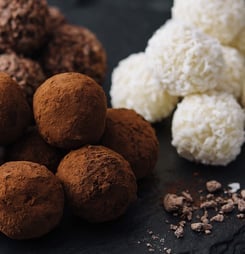
Then there are truffles, the glamorous relative that can quickly turn a fun snack into a splurge. “Stuffed truffle” is more of a culinary flex than a common kitchen project, because truffles are prized for their aroma and are typically shaved or infused rather than baked with a heavy filling.
Still, truffle-forward stuffed mushrooms are a real thing, often achieved by using truffle butter, truffle oil, or finely shaved truffle to perfume the stuffing. That approach delivers the truffle experience without sacrificing the truffle’s delicate appeal.
Trying different varieties can also mean trying different sizes. Tiny stuffed mushrooms are perfect for quick baking and easy sharing. Larger caps allow thicker fillings and more dramatic toppings. Either way, it is hard to go wrong when the mushroom is fresh, firm, and free of slimy spots.
Get Creative with Stuffing Mushrooms
Stuffed mushrooms are flexible by nature. The basic idea is simple: remove the stems, make a flavorful mixture, pack it into the caps, and bake until the top turns golden and the mushrooms are tender. Everything else is open to interpretation.
A classic stuffing often starts with finely chopped mushroom stems sautéed with garlic and onions, then mixed with breadcrumbs, herbs, and cheese. This approach has two advantages. First, it reduces waste by using the stems.
Second, it doubles down on mushroom flavor, because the sautéed stems add concentrated savory notes. Parsley is a traditional herb pairing, and Parmesan is a classic cheese choice because it melts into the mixture while also adding saltiness and a nutty finish.
From there, creativity can take over:
– Cheese variations: Cream cheese makes a filling, lush, and spreadable. Goat cheese adds tang. Mozzarella gives a stretchy bite. Sharp cheddar brings boldness. Gouda or smoked cheeses can add depth that plays well with the earthiness of the mushroom.
– Herb and spice twists: Chives, thyme, rosemary, and basil all bring different personalities. A pinch of paprika, crushed red pepper, or black pepper can keep richer fillings from feeling heavy.
– Vegetable-forward fillings: Spinach, chopped roasted peppers, caramelized onions, sun-dried tomatoes, or grated zucchini can add sweetness or brightness. Finely diced vegetables are usually best, so the filling holds together.
– Protein additions: Sausage is a popular choice because its seasoning does a lot of flavor work in a small bite. Crab, shrimp, or other seafood fillings bring a restaurant-style flair. For a simpler option, chopped cooked bacon can add smokiness in moderation.
– Nutty and crunchy elements: Toasted walnuts, pine nuts, or pecans can add texture. Breadcrumbs on top can be mixed with a little olive oil or melted butter to brown beautifully.
Texture matters as much as flavor. A stuffing that is too wet can make the mushrooms soggy and leak liquid into the pan.
Many cooks aim for a mixture that clumps when pressed, often helped by breadcrumbs, grated cheese, or a beaten egg. On the other hand, a stuffing that is too dry can taste dusty. A drizzle of olive oil, a spoonful of ricotta, or a bit of cream cheese can bring it back into balance.
Technique can make a noticeable difference, even with the same ingredients:
– Cleaning mushrooms: Mushrooms absorb water easily, so many cooks prefer a quick wipe with a damp towel or a brief rinse followed by thorough drying rather than soaking.
– Removing stems: Stems can often be twisted out gently. If they resist, a small spoon can help loosen them without cracking the cap.
– Pre-cooking fillings: Sautéing aromatics and chopped stems before mixing helps drive off moisture and concentrates flavor.
– Baking approach: A hot oven encourages browning. Placing mushrooms snugly in a baking dish helps them stay upright, which keeps the filling in place and makes them easier to serve.
– Finishing touch: A quick broil at the end can create a crisp top, but it requires attention because mushrooms can go from golden to scorched quickly.
Stuffed mushrooms also lend themselves to different dietary preferences without feeling like a compromise. A vegetarian version can be hearty with nuts, lentils, or a mix of sautéed vegetables and cheese.
A dairy-free version can rely on well-seasoned breadcrumbs, olive oil, and herbs, or use plant-based cheeses. A lighter version can skip heavy cheeses and focus on bright flavors like lemon zest, fresh herbs, and finely chopped vegetables.
For anyone who likes planning, stuffed mushrooms are also surprisingly practical. The filling can often be made in advance and chilled, then stuffed and baked later.
That turns them into a low-stress party dish: all the work happens early, and the kitchen only needs to do the final bake.
History of National Stuffed Mushroom Day
Stuffed mushrooms, as a recognizable dish in modern menus, are often associated with late 19th-century or early 20th-century cooking, when recipes and restaurant culture made room for more specialized appetizers.
Many culinary sources connect the development of stuffed mushrooms to Italian cooking traditions, where “stuffed vegetables” are a familiar concept. The idea fits naturally alongside dishes like stuffed zucchini and other baked, breadcrumb-topped preparations that combine herbs, aromatics, and cheese.
At the same time, mushrooms themselves were becoming more widely cultivated and appreciated in European cooking. In the 19th century, French cultivation helped turn mushrooms into a reliable ingredient rather than something only gathered in the wild.
As mushrooms became more accessible, cooks had more reason to experiment with preparations that treated them as a central ingredient, not merely a garnish.
Over time, the mushroom “cast” expanded. The brown cremini became a staple alongside white button mushrooms, and interest in gourmet varieties grew as global tastes broadened.
Mushrooms like shiitakes and morels became more familiar to home cooks and restaurant diners alike, and truffles gained a reputation as a luxury ingredient with a heady aroma and a price tag to match.
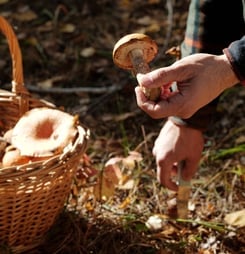
Truffles also became famous for the unusual ways they are found, traditionally using trained animals such as pigs and dogs, which only added to their culinary mystique.
Stuffed mushrooms found a comfortable home in restaurant culture as an appetizer that could be made ahead, served hot, and customized to the style of the kitchen.
Some accounts point to mid-20th-century restaurant menus helping popularize more decadent fillings, including seafood-based mixtures, which cemented stuffed mushrooms as a special-occasion starter.
National Stuffed Mushroom Day exists to spotlight this particular form of mushroom magic. It is less about rigid tradition and more about appreciation: the dish is adaptable, widely loved, and easy to personalize, whether the goal is a simple breadcrumb-and-herb classic or an over-the-top version packed with bold flavors.
Fascinating Facts About Mushrooms
From imperial banquets in ancient Rome to underground caves beneath Paris and modern global farms, mushrooms have a far richer story than their quiet presence on our plates suggests. These facts explore how fungi have been cultivated, classified, and valued across history, science, nutrition, and global agriculture—revealing mushrooms as cultural icons, biological oddities, and economic powerhouses all at once.
Ancient Romans Were Early Fans of Cultivated Mushrooms
Long before modern restaurant appetizers, ancient Romans were already cultivating and eating mushrooms, especially species like Amanita caesarea, which they prized enough to name after emperors. Roman agricultural writers such as Pliny the Elder described mushroom cultivation and warned about poisonous look‑alikes, showing that both gourmet enthusiasm and safety concerns around edible fungi have existed for nearly two millennia.
The Button Mushroom Is Just a Young Portobello
The familiar white button mushroom, brown cremini, and large portobello are all the same species, Agaricus bisporus, harvested at different stages of maturity. Buttons are picked when small and closed, cremini are slightly older and browner, and portobellos are the fully mature, open‑gilled form, which is why they can hold hearty fillings and stand in for meat in many dishes.
French “Champignon de Paris” Farms Started in Quarries and Caves
Commercial cultivation of the common mushroom in France began in the 17th–19th centuries in cool, dark limestone quarries and natural caves around Paris, which provided ideal temperature and humidity. These underground “champignon de Paris” farms helped turn mushrooms into a fashionable ingredient in French haute cuisine and laid the groundwork for modern indoor mushroom production.
Mushrooms Are One of the Few Non‑Animal Sources of Vitamin D
When exposed to ultraviolet light, mushrooms can synthesize vitamin D2 from ergosterol in their cell membranes, somewhat like how human skin makes vitamin D3. Studies show that UV‑treated button mushrooms can contain vitamin D levels comparable to fortified foods, making them a rare plant‑free, non‑animal dietary source of this important micronutrient.
A Global Multi‑Billion‑Dollar Crop Dominated by Asia
Edible mushrooms have become a major agricultural commodity, with the global mushroom market estimated in the tens of billions of dollars and growing faster than many other horticultural sectors. Asia–Pacific, led by China, produces the majority of the world’s cultivated mushrooms, driven by demand for both everyday cooking varieties and specialty fungi like shiitake and oyster mushrooms.
Stuffed Vegetables Have Deep Roots in Mediterranean Cooking
Stuffed mushrooms are part of a broader Mediterranean and Middle Eastern tradition of “stuffed” dishes, such as Italian ripieni and Turkish dolma, where vegetables like zucchini, eggplant, peppers, and grape leaves are hollowed and packed with seasoned fillings. These recipes evolved as frugal home cooking, using breadcrumbs, herbs, and small amounts of meat to stretch ingredients while creating richly flavored, bite‑sized dishes.
Mushrooms Contain Umami‑Boosting Molecules Similar to Meat
Culinary mushrooms are naturally rich in glutamic acid and 5′‑ribonucleotides such as guanylate, compounds that enhance the savory taste known as umami. When mushrooms are cooked, these molecules intensify and combine synergistically with proteins or cheeses in fillings, which is why even small amounts of mushrooms can make stuffed appetizers taste especially meaty and satisfying without adding much fat.