Whether you are an aspiring Gene Kelly, Fred Astaire, or Ginger Rogers, or whether you simply enjoy celebrating dance, National Tap Dance Day makes a great annual celebration.
It’s a chance for you to put on your dancing shoes and enjoy this traditional form of dance, literally where you stand!
How To Celebrate National Tap Dance Day
There are all sorts of ways to celebrate tap! Get going with some of these ideas:
Join Some Tap Dancing Events
Some cities have celebratory tap dancing shows and displays to mark the occasion, so, if you want to join in the celebrations, go along and join in the fun. Here you can take part in big events designed to bring everyone in the local community together and learn a lot about the artform too.
Instructors and enthusiasts will often provide free lessons and instructionals for anyone who wants to take part. There are also live performances from the good and the great on public stages, as well as the occasional lecture on the history of the dance.
Take a Tap Class
Alternatively, take a beginner tap dancing class, and get your toes tapping. You can approach your local dance studio and encourage them to put on a performance, perhaps recreating a scene from an iconic movie or show.
Learning to tap dance can be a rewarding experience. Most people need around one hundred hours of practice to make progress and feel competent with doing it, but everyone learns at their own rate. It is incredibly good exercise, so after about 20 minutes, you’re already working up a sweat.
Improve Your Tap Dancing
The trick for getting good is learning a few basic moves and then stringing them together. Drills, therefore, are an important part of the training. You want to feel confident doing certain moves. Once you learn the fundamentals, it is easy to improvise on the dance floor and show off to your friends. The best approach is to keep repeating the basics and then add a new move each time you do a practice session.
Get the Family Involved
You can even combine the celebration of National Tap Dance Day with healthy living and family bonding, getting everyone involved. Tap Dance, therefore, can easily become a part of a sustained health kick. It helps with coordination, rhythm, cardiovascular endurance, and even flexibility.
Dress the Part
Another fun way to celebrate National Tap Dance Day is to make costumes, practice your routine, and amaze and thrill onlookers with your skills. Tap dancing costumes were traditionally quite reserved. But in recent years, they’ve taken on a certain degree of flair. It is not unusual for women to wear frilly outfits, complete with cane and top-hat. Men traditionally wore long trench suits with and without hats.
Share Your Skills
In recent years, many people have turned to social media as their outlet for celebrating National Tap Dance Day. You could create a video showing off your tap dancing skills or just having fun. You could even host a tap dancing live stream allowing everyone to join in. Your instructional video might encourage even more people to take part in this interesting and exceptional day.
Tap Dancing is a genuine cultural phenomenon and deeply entwined with major events in history. For generations, people have used the artform to escape some of the hardships of life and enjoy themselves, even under dire circumstances.
National Tap Dance Day, therefore, is a chance to celebrate not only the aesthetic, but also the lives of the people who first made it popular. While legends like Bill “Bojangles” Robinson dominate the occasion, there’s also a need to reflect on the lives of the millions of people who helped the dance flourish throughout the nineteenth and twentieth centuries.
So, how will you celebrate National Tap Dance Day?
History Of National Tap Dance Day
National Tap Dance Day officially began in 1989 and celebrates the heritage and origins of the dance genre, along with the notable tap dancing greats, including Bill “Bojangles” Robinson, the Mark Brothers, and more.
Tap dance first appeared in the 19th century as dancers from across the world combined their ideas in the New World. At first, tap dancing was a marginal activity that began in slave communities. Owners would take instruments and drums away from slaves so they began improvising, using their feet instead to act as percussion.
Over the years, they developed their techniques and many began to wear clogs in an attempt to create better sounds when they tapped their feet on the floor. Before long, tap dancing developed into a distinct art form, separate from traditional dancing styles imported from overseas. Tap dancers developed a unique sense of timing and rhythm. They learned how to move and tap their feet at the same time, laying the foundation for the tradition we have today.
Slaves could afford little more than clogs. But as tap dancing slowly leaked out into the wider community over the following years, shoemakers began experimenting to make the best kind of shoes. They needed something light, stable, and that would make a loud, audible sound when their foot hit the floor.
Eventually, they came up with the idea of attaching wooden soles to shoes, but many of the early designs failed to provide tap dancers with enough stability. Dancers would slide all over the place onstage. It wasn’t ideal. Others experimented by sticking pennies to the heels of shoes so that the dancer could make a tapping sound but still keep a grip.
During the Civil War, tap dancing became increasingly popular. Traveling showmen would tour around the country, often with slaves in tow. By the turn of the 20th century, it had become a major component of the creative output of various communities. Tap dancers, for instance, would often support jazz musicians, thanks to their ability to keep time to complex rhythms. Many made appearances at Broadway and Vaudeville shows.
Hollywood soon took up tap and began incorporating it into films, starting in the 1930s. Gene Kelly and Shirley Temple both became overnight tap sensations, inspiring generations of people to begin experimenting with the dance style. Likewise, Fred Astaire became famous for combining tap with traditional ballroom motifs. His sensational “single-take” dance performances soon entered the public consciousness, and we’ve been living with the aftermath ever since.
When Congress was developing the language around National Tap Dance Day, they came up with some interesting and flattering ways to describe it. Citations from the original senate text reveal how top lawmakers considered tap to be a joyful and powerful aesthetic and how it was a “manifestation of cultural heritage.”
The purpose of National Tap Dance Day is to celebrate tap as an art form. Representatives of the tap communities lobbied the government to create a day in the calendar dedicated to the dance in February 1987. Just a few months later, George H. W. Bush signed the day into law and it has been observed ever since.
National Tap Dance Day is a global phenomenon that inspires cultures all over the world. Over the years, it has grown in popularity, and by the time of the 2016 celebrations, the event generated more than 27 million mentions on social media!
The Rhythm and History Behind Tap Dance
Tap dance is more than just movement—it’s a vibrant expression of rhythm, culture, and storytelling. Shaped by diverse influences and evolving over time, these facts reveal how tap dance developed its distinctive sound, style, and lasting impact on music and performance.
Tap Dance Grew From a Fusion of African and Irish Traditions
Tap dance developed in 19th-century America from a creative blend of African American rhythmic footwork and Irish and English step dancing, especially in New York’s Five Points neighborhood.
Enslaved Africans and Irish immigrants, forced into close proximity, shared and adapted movement vocabularies, with African polyrhythms and improvisation meeting the percussive, linear steps of jigs and hornpipes, laying the foundation for what became recognizable as tap by the late 1800s.
Metal Taps on Shoes Are Surprisingly Recent
Early tap dancers performed in hard-soled shoes, boots, or wooden clogs, sometimes nailing pennies or hobnails to their soles for extra sound.
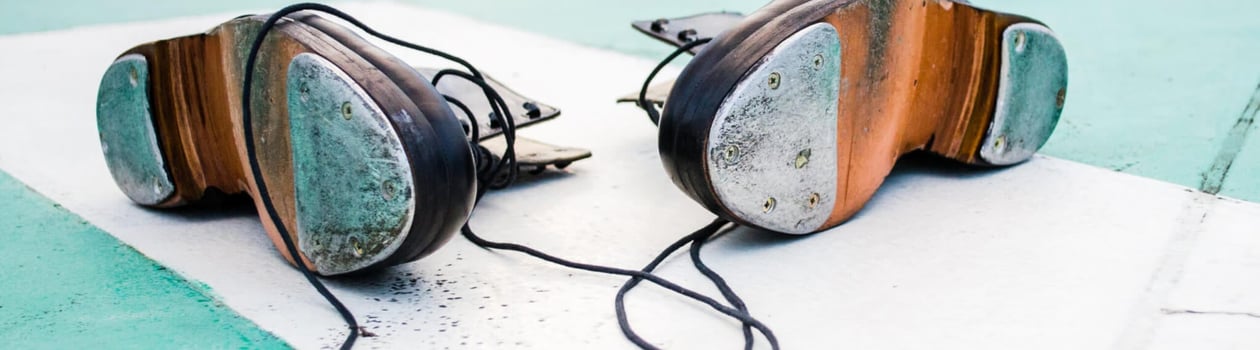
Purpose-made metal taps that screw or nail onto the toe and heel did not become standard until the 1910s and 1920s, when manufacturers such as Capezio began producing specialized tap shoes, which helped standardize the bright, articulate sound associated with modern tap.
Bill “Bojangles” Robinson Reinvented Tap Technique and Staging
Bill “Bojangles” Robinson, one of the most influential tap dancers of the early 20th century, shifted the style from flat-footed dancing to a light, upright, on-the-balls-of-the-feet technique that emphasized clarity of sound.
He was also known for dancing up and down staircases in precise rhythms, a staging idea that became iconic in vaudeville and Hollywood and helped move tap from minstrel stereotypes toward a more sophisticated solo art.
Tap Dance Helped Shape Early Jazz and Swing Rhythms
Tap dancers were central to the development of jazz and swing, often performing as percussive partners to live bands in Harlem clubs and on the vaudeville circuit.
Dancers like John Bubbles and the Nicholas Brothers experimented with off-beat accents, syncopation, and call-and-response patterns that paralleled innovations by jazz drummers, helping to define the “swing feel” that became a hallmark of American popular music in the 1930s and 1940s.
Hollywood Musicals Turned Tap into a Global Pop Culture Export
The rise of sound film in the late 1920s gave tap dancers an ideal medium, and movie musicals of the 1930s through the 1950s projected the art form worldwide.
Stars like Fred Astaire and Gene Kelly worked closely with directors, choreographers, and sound technicians to capture intricate footwork on film, and their movies were distributed internationally, shaping how audiences from Europe to Latin America understood American dance and music.
Tap Dance Nearly Vanished Before a Late-20th-Century Revival
By the 1950s and 1960s, changing tastes in entertainment and the decline of vaudeville and movie musicals pushed many tap dancers out of work, and the form was considered old-fashioned in mainstream media.
A revival began in the 1970s and 1980s through the efforts of artists like Gregory Hines, who championed older “hoofers,” and choreographers who brought tap back to Broadway, helping reestablish it as both a concert and street-based art.
Tap Training Shows Measurable Physical and Cognitive Benefits
Scientific studies of dance training have found that styles requiring complex footwork and rhythmic coordination, such as tap, improve balance, reaction time, and executive function in older adults, and can raise aerobic capacity to levels comparable with moderate-intensity exercise.
Research on dance-based programs also suggests benefits for working memory and attention, indicating that learning and recalling tap sequences may support both physical and cognitive health.