National Thank A Mail Carrier Day
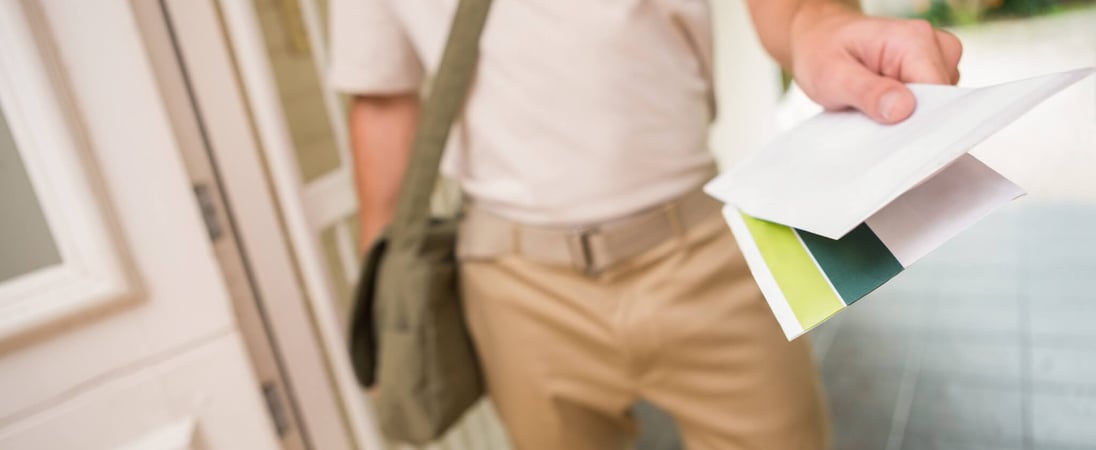
Rain or shine, through snow and sleet, mail carriers always deliver! Give a high-five to your mail carrier today!
Neither snow nor rain nor heat nor gloom of night stays these couriers from the swift completion of their appointed rounds.
Motto on James Farley Post Office
Mail carriers occupy a rare role in modern life: familiar enough to recognize on sight, dependable enough to be missed immediately, and brave enough to face a front-porch obstacle course that can include ice, stairs, surprise sprinklers, and the neighborhood dog that swears it is just “being friendly.”
National Thank a Mail Carrier Day spotlights the people who keep letters, medications, documents, and everyday packages moving from hand to hand, doorstep to doorstep, and box to box.
They are the steady thread connecting households, businesses, and communities. Whether the delivery is a handwritten card, a replacement charger, or a critical notice, mail carriers make the system feel personal.
Their work blends logistics with human interaction, turning addresses into real places and routes into daily routines that quietly support everything from small businesses to family connections.
National Thank a Mail Carrier Day is a reminder to recognize the skill and stamina behind that routine. Appreciation does not need to be grand.
What matters is noticing the effort, the reliability, and the care that goes into a job done in public view, day after day.
How to Celebrate National Thank а Mail Carrier Day
Sweet Treat Surprise
Brightening a mail carrier’s day with a treat works best when it is practical, safe, and easy to handle on the go.
Individually wrapped snacks are often the most convenient since carriers may not have a good spot to wash hands or store uncovered food while walking a route.
Think along the lines of packaged cookies, granola bars, trail mix, or a small assortment of sealed snacks that can survive being carried in a satchel or truck.
Homemade goodies can still be a kind gesture, especially in neighborhoods where the carrier is a familiar face.
If that route tends to be busy, consider leaving the treats in a clean bag or container with a note so the carrier can decide when to enjoy them. Keep portions small and simple, and avoid anything that melts quickly or requires utensils.
A thoughtful detail is to include options for different dietary needs, such as something nut-free or lower in sugar.
The goal is to make the surprise feel welcoming rather than complicated. Pairing the snack with a short note of thanks turns a quick bite into a moment of genuine recognition.
Thank-You Notes
A handwritten thank-you note is small enough to fit in a pocket and meaningful enough to be remembered long after the route is finished. The most effective notes are specific. Mentioning something the carrier does well, like careful handling of packages, friendliness to kids, or consistency during rough weather, makes the message feel personal and earned.
Notes can be left where outgoing mail is normally placed, clearly labeled so it does not get mistaken for regular post. Using an envelope is a nice touch, but not required. What matters is clarity and sincerity. A few sentences are plenty:
– Thank them for their reliability.
– Acknowledge the physical work involved.
– Wish them a safe route.
For families, this is also a low-pressure way to teach children about gratitude and public service. Kids can add drawings, stickers, or a colorful “THANK YOU!” that will likely stand out in a day filled with routine labels and barcodes.
Refreshing Beverages
A drink offered at the right moment can feel like a luxury. Carriers spend long stretches outside or in and out of vehicles, and hydration matters. On warm days, a cold bottle of water or a sports drink can be especially appreciated. On chilly days, a hot coffee, tea, or cocoa can be a welcome comfort.
The simplest approach is to offer a sealed, clearly labeled beverage so the carrier can take it without needing to linger. If handing it directly, keep it quick and respectful of their schedule. Routes are carefully timed, and even a friendly conversation can accidentally delay a carrier who is trying to keep deliveries on track.
Some people set up a small “carrier station” near the mailbox with a few drinks in a cooler or insulated container and a note inviting the carrier to take one. This works well in areas where carriers walk long sections and may not have easy access to stores or water fountains.
Gift Cards
A small gift card can be a thoughtful way to say thanks, especially when it matches a mail carrier’s daily needs. Coffee shops, lunch spots, and general retailers are common choices because they give the recipient flexibility. If the neighborhood has a local café along the route, that can feel especially fitting, like a little boost built into their workday.
It is wise to keep any gift modest and to follow local rules or employer policies about gifts. In many workplaces, there are limits on what employees can accept. When in doubt, choose a simple token paired with a heartfelt note. The note is the real point of the day, and it is always allowed to give gratitude.
If giving anything with monetary value, consider presenting it discreetly. A mail carrier’s work happens in public view, and they should not be put in an awkward position with bystanders wondering what is being exchanged.
Crafty Signs
A bright sign near the mailbox can be surprisingly uplifting, especially on a long route where most stops are purely transactional. This is an easy celebration for households, schools, and community groups. Posters can be taped inside a window facing the delivery spot, attached to a fence, or placed where it is visible without interfering with delivery.
Good sign ideas include:
– “Thanks for delivering in all weather!”
– “We appreciate you!”
– “You make our day, route by route.”
For an extra layer of fun, a neighborhood can coordinate a “thank you corridor,” where several homes along the route display signs at once. It turns an ordinary stretch of deliveries into a mini parade of appreciation, and it does not require the carrier to stop at all.
The practical rule here is simple: keep the area around the mailbox safe and clear. The sign should add cheer, not create an obstacle.
Social Media Shoutout
Public appreciation can help the gratitude spread. A short social media post recognizing mail carriers highlights work that is often taken for granted. It can also encourage others to show thanks in their own way, whether by leaving a note, offering water, or simply being more mindful about mailbox access.
A good shoutout focuses on the work rather than personal details. Keeping it general avoids sharing identifying information. Mention the value mail carriers bring to daily life: reliability, careful service, and the human presence behind deliveries.
For workplaces or community groups, this can be expanded into a broader message about postal workers and delivery logistics, recognizing that carriers operate within a larger system of sorting, routing, and transportation that makes their daily rounds possible.
Heartfelt Conversations
If you see your mail carrier, taking a moment to say thank you in person is direct, respectful, and memorable. A brief, friendly interaction can turn a routine delivery into a positive moment. The key is keeping it simple so the carrier can stay on schedule.
A few easy conversation starters:
– “Thanks for everything you do.”
– “I appreciate how careful you are with packages.”
– “Hope you have a safe route.”
It can also be helpful to ask, politely and quickly, if there is a preferred place for outgoing mail or packages. Sometimes a carrier has suggestions that make everyone’s day easier, like keeping a clear space near the mailbox or placing outgoing items in a consistent spot. A small improvement in the delivery setup can be its own form of appreciation.
National Thank A Mail Carrier Day Timeline
c. 500 BC
Herodotus Describes Persian Royal Couriers
Greek historian Herodotus records the Persian Empire’s mounted couriers, praising their ability to traverse long distances despite “neither snow nor rain nor heat nor gloom of night,” a phrase later adapted as an unofficial creed honoring mail carriers.
July 26, 1775
Continental Congress Creates the American Post Office
The Second Continental Congress establishes an organized postal system for the colonies and appoints Benjamin Franklin as the first Postmaster General, laying the foundation for professional mail carriers in what becomes the United States. [1]
July 1, 1863
Free City Delivery Service Begins in the U.S.
The U.S. Post Office Department launches free city delivery in larger urban areas, employing letter carriers to bring mail directly to residents’ homes instead of requiring pickup at post offices.
October 1, 1896
Rural Free Delivery Starts Nationwide
Rural Free Delivery (RFD) is introduced on an experimental basis, eventually becoming permanent and transforming the role of rural mail carriers as they bring letters, news, and goods directly to isolated farm families.
July 1, 1912
Standardized Letter Carrier Uniforms Authorized
The Post Office Department issues regulations standardizing uniforms for city letter carriers, reinforcing their professional identity and making mail carriers easily recognizable public servants in communities.
1913
Parcel Post Service Expands Carriers’ Duties
Introduction of Parcel Post allows customers to mail packages nationwide, greatly increasing the volume and variety of items delivered and expanding the daily responsibilities of mail carriers.
1913–1915
Motorized Mail Trucks Join Carrier Fleets
The Post Office Department begins experimenting with and then widely adopting motor vehicles for collection and delivery, gradually supplementing carriers on foot or horseback and reshaping how routes are covered. [2]
History of National Thank A Mail Carrier Day
The story of mail carriers sits at the intersection of communication, infrastructure, and public service. Long before modern mailboxes and tracking numbers, societies needed reliable ways to move messages across distances.
Early postal systems were less about convenience and more about governance, trade, and security. A functioning courier network meant leaders could manage far-flung territories, merchants could coordinate shipments, and communities could maintain ties across geography.
One of the earliest well-documented examples of an organized postal relay system comes from the Persian Empire under Cyrus the Great, who developed roads and relay stations that helped messages travel faster than a single rider could manage alone.
Relays created a powerful idea: communication could be scheduled, organized, and dependable rather than improvised. That basic logic remains recognizable in modern routes, where time, sequence, and consistency matter as much as speed.
Centuries later, the Greek historian Herodotus described Persian couriers with admiration, emphasizing that they carried messages through harsh conditions without being stopped by weather or darkness.
That description became famous in a new form in the modern era, when the phrase about snow, rain, heat, and gloom was adapted as a motto associated with a major post office.
It is not an official pledge everywhere, but it captures how the public imagines the work: persistent, unglamorous, and essential.
As postal services expanded, they became more than a messenger system for governments. They turned into a public utility that supported personal correspondence, commerce, and civic participation.
A letter could carry family news, a bill, a legal notice, a job offer, or a love story. As literacy grew and printing became cheaper, mail volume expanded. The carrier’s role shifted from rare courier to everyday presence.
In the United States, the postal service was established in 1775, with Benjamin Franklin appointed as the first Postmaster General.
From that point, the system developed into a national network that had to solve practical challenges: reaching rural areas, setting consistent routes, coordinating transportation, and creating reliable standards for delivery.
City delivery and rural delivery expanded the reach of mail, turning “getting the mail” into a regular part of household life rather than an occasional trip to a distant office.
Mail carriers became especially important during major conflicts and periods of migration, when letters and parcels served as emotional lifelines. Before instant messaging and video calls, a letter was a physical proof of connection.
Delivering it was not just a task; it was the final step in a chain of trust involving senders, sorters, transport workers, and carriers. Even now, when many communications are digital, physical mail still handles vital items such as official documents, prescriptions, replacement bank cards, ballots in some places, and packages that keep small businesses running.
National Thank A Mail Carrier Day fits into that broader tradition: recognizing the people who do the last-mile work. The “last mile” is often the hardest part of delivery. It is where weather, stairs, locked gates, loose pets, and confusing addresses can turn a neat plan into improvisation.
A carrier must be organized, alert, and physically capable, while also being customer-facing in a way that truck drivers and sorting machines are not. They notice when a mailbox is blocked, when a walkway is unsafe, and when an address label is unclear. They adapt constantly without the job looking dramatic.
This day exists to put that reality back into focus. It asks people to pause and remember that a working postal system is not just bins and trucks, but individuals who walk routes, drive routes, and keep moving.
Thanking a mail carrier honors a long lineage of courier work stretching from ancient relay systems to modern neighborhood deliveries, and it recognizes the human effort behind something that often feels automatic.
Facts About National Thank a Mail Carrier Day
National Thank a Mail Carrier Day is a chance to pause and appreciate the people who quietly keep our communities connected. Rain or shine, heatwaves or snowstorms, mail carriers walk miles each day to deliver letters, packages, bills, and moments of happiness straight to our doors. The facts behind this day reveal just how demanding, essential, and often under-recognized their work really is—and why a simple “thank you” can go a long way.
-
Ancient Persian Couriers Inspired the Famous “Neither Snow nor Rain” Inscription
The well-known phrase “Neither snow nor rain nor heat nor gloom of night stays these couriers from the swift completion of their appointed rounds” is adapted from a description by the Greek historian Herodotus of mounted couriers in the Persian Empire around the 5th century BCE; although it’s carved over the James A. Farley Post Office in New York City and widely associated with the U.S. Postal Service, USPS has no official motto.
-
Early U.S. Mail Routes Were Tiny Compared with Today’s Network
When the new U.S. government began operating under the Constitution in 1789, there were only about 75 post offices and 2,400 miles of post roads serving a population of nearly 4 million—numbers that highlight how dramatically the postal network and the role of mail carriers have expanded over time.
-
Rural Free Delivery Transformed Life Outside Cities
Before Rural Free Delivery (RFD), most Americans living in the countryside had to travel to a post office or pay private carriers to get their mail, but starting in 1896, the federal government began bringing mail directly to rural homes, a shift historians credit with boosting rural commerce, access to news, and political participation.
-
City Delivery Helped Standardize Urban Addresses
Free city delivery, introduced in the 1860s, required houses and businesses in participating U.S. cities to adopt consistent street names and house numbers so carriers could navigate efficiently—helping to formalize modern urban addressing systems that mail carriers still rely on.
-
Mail Carriers Move an Astonishing Volume of Items Each Year
In fiscal year 2025 alone, the U.S. Postal Service handled about 108.7 billion pieces of mail, including roughly 42 billion pieces of First-Class Mail and nearly 57 billion pieces of Marketing Mail, illustrating the scale of the logistical workload that carriers help move through the system.
-
First-Class Mail Is Shrinking, but Carriers Still Serve Every Address
USPS data show that First-Class Mail volume fell by about 5 percent between fiscal years 2024 and 2025, yet postal law still requires the Postal Service to provide universal service to nearly every address in the country, meaning carriers must continue to cover extensive routes even as letter volumes decline.
-
The ZIP Code System Was Introduced to Help Carriers Work Faster
The five-digit ZIP Code system, rolled out nationwide in 1963, divided the country into numbered postal zones that made sorting and routing more efficient; by grouping mail geographically, it reduced manual handling and helped carriers receive pre-organized mail that could be delivered more quickly and reliably.
National Thank A Mail Carrier Day FAQs
What are the main duties of a mail carrier today beyond simply putting letters in a box?
Modern mail carriers not only sort and deliver letters and parcels but also collect outgoing mail, scan and track barcoded items, handle signature-required and registered pieces, and check that mail is delivered accurately and securely to the correct address. In many countries, they also play a role in “last‑mile” delivery for e‑commerce, bringing online purchases directly to homes and businesses and sometimes performing basic identity, customs, or payment checks at the door. [1]
How has the job of mail carrier changed with the rise of email and online services?
While traditional letter volumes have declined in many countries because of email and digital billing, parcel volumes have grown significantly due to online shopping, shifting carriers’ work toward larger, heavier, and more frequent package delivery. Postal operators in the United States and abroad have restructured routes, added parcel‑sorting technology, and sometimes partnered with private couriers so that carriers now focus more on time‑sensitive parcels, tracking scans, and flexible delivery options such as parcel lockers and redelivery services.
What kinds of hazards and physical demands do mail carriers typically face?
Mail carriers commonly face repetitive lifting and carrying, prolonged walking or driving, exposure to heat, cold, rain, and snow, and risks from traffic, slips and falls, and occasionally aggressive animals. In the United States, the Occupational Safety and Health Administration (OSHA) and postal regulations emphasize proper footwear, load‑carrying techniques, hydration, and reporting of hazards, recognizing that musculoskeletal injuries, dog bites, and vehicle accidents are key occupational risks for letter carriers.
Are there rules about giving gifts or tips to mail carriers?
In the United States, federal ethics rules for USPS employees limit gifts from the public to items worth $20 or less per occasion and no more than $50 from the same source in a calendar year; cash, checks, and cash‑equivalent gift cards are prohibited. Similar public‑service rules exist in other countries, where small, non‑cash tokens such as snacks or modest-value items are usually acceptable but direct cash payments and expensive gifts can violate anti‑corruption or civil‑service policies, so local postal guidance should always be checked.
Why do postal systems talk about “universal service,” and how does that affect mail carriers?
“Universal service” is the principle that postal operators must provide a basic level of affordable mail service to all residents, including those in remote or sparsely populated areas. Laws and regulations, such as the U.S. Postal Service’s universal service obligation, require regular delivery and access points like post offices or mailboxes across the country, which means mail carriers operate long rural routes, serve small communities, and maintain delivery schedules even where private carriers might not find it profitable. [2]
Why is secure handling of mail so important, and what role does a carrier play in that?
Mail systems often carry sensitive items such as identification documents, legal notices, ballots, and financial information, so postal laws in many countries treat mail theft and tampering as serious crimes. Carriers are trained to safeguard the mail stream by following chain‑of‑custody procedures for tracked items, securing mail in vehicles and satchels, using locked or monitored collection boxes, and promptly reporting suspicious packages or signs of tampering to postal inspectors or law‑enforcement authorities. [3]
Also on ...
View all holidays
National Homemade Soup Day
Savor every spoonful of warm and comforting goodness made with fresh ingredients, perfect for any day or mood. A hug in a bowl!