Toddle Waddle
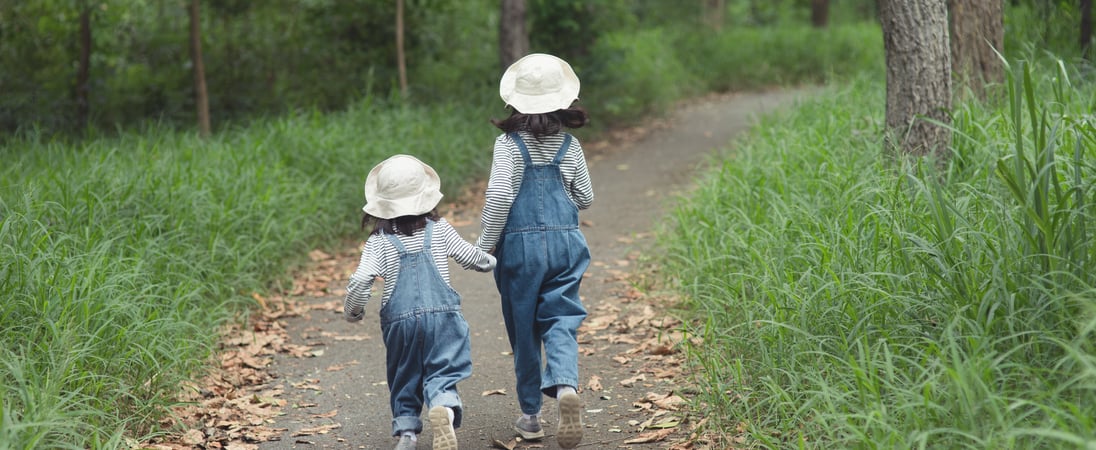
The Toddle Waddle could be the cutest fundraising walking event ever. This yearly walking is a spectacle unlike any other. Why? Because it is aimed at parents and children under five.
Watching the Toddle Waddle, you’ll undoubtedly see some children confidently strolling along. However, you’ll also witness cute younger ones barely toddling alongside their strollers. It’s all for good fun, not to mention an excellent cause: raising money for meningitis awareness.
Toddle Waddle Timeline
1894
Preyer described the stages of infant standing and walking
Psychologist William Preyer published work on infant motor development that details gradual progress from supported standing to independent walking, helping establish a systematic study of toddler gait milestones.
1926
Gesell outlined norms for toddler walking milestones
Arnold Gesell’s “The Ontogenesis of Infant Behavior” presented detailed observations of when children typically stand, cruise, and walk independently, influencing pediatric expectations for toddler mobility.
1977
A classic paper described the emergence of upright locomotion
Esther Thelen published influential research on how infants transition from early stepping reflexes to coordinated, purposeful walking, reframing toddler locomotion as experience-dependent rather than purely maturational.
1992
Dynamic systems theory applied to infant walking
Thelen and colleagues proposed a dynamic systems model of motor development, showing how strength, body size, and practice interact to produce toddlers’ first steps and increasingly stable walking patterns.
2022
A review synthesized the biomechanics of toddler gait
A narrative review in the Journal of Human Kinetics summarized how typically developing toddlers progress from wide-based, high-guard steps to more mature walking over the first years of independent gait.
History of Toddle Waddle
Toddle Waddle organizers wanted to create additional awareness about meningitis. Meningitis is a swelling of the membranes covering the brain and spinal cord.
The history of meningitis dates back to ancient times. The famous Greek philosopher and doctor Hippocrates appears to have noted the first case of meningitis. While historians can’t pinpoint the precise date of the discovery, Hippocrates lived between 460 B.C. and 370 B.C.
The next important innovations arrived during the 1800s. That was when French and English physicians coined the term ‘meningitis.’ That term combined ‘meninges,’ the brain’s lining, and ‘itis,’ describing the inflammatory nature of the disease.
The first widespread meningitis outbreak was in Geneva in 1805. Soon after, the world saw outbreaks across Europe and the United States. Africa experienced its first pandemic in 1840. With no effective treatment, these outbreaks had deadly effects. In 1906, a breakthrough came – anti-meningococcal serum therapy.
The 20th century brought with it a few more treatment advancements. One advancement was the introduction of penicillin in 1944 and the development of Haemophilus vaccines in the late 20th century. These medical advancements significantly reduced meningitis cases caused by specific pathogens.
The Meningitis Trust was formed in the United Kingdom in 1986. The agency hoped to make larger steps forward in the fight against meningitis. This organization later merged with Meningitis U.K. in 2013, forming today’s Meningitis Now. The group organizes the annual Toddle Waddle.
How to Celebrate Toddle Waddle
Celebrating Toddle Waddle means community engagement to combat a serious health issue. But for the kids who participate, it’s just walking and having fun. Here are some ideas to participate, even for those who don’t live in the United Kingdom:
Organize or Join a Toddle Waddle Walk in Your Community
Do you provide child care or have a Meetup group for toddler parents? Then you are a prime candidate to organize or join a Toddle Waddle event. But what’s involved? First, you’ll choose a location.
Good spots may include a park, an athletic track, or a large backyard. The distance doesn’t have to be long. It’s the participation that counts.
Encourage children to dress up in fun costumes or their favorite outfits. Invite anyone with small children to make a small donation to participate. Every step taken at your Toddle Waddle is a step to fight meningitis.
Educational Activities
Use this day to educate both your participants and spectators about meningitis. You can create informative posters or distribute flyers.
You might also invite a speaker to discuss the importance of meningitis research and prevention. Knowledge is power, and spreading awareness is a key part of Toddle Waddle.
Virtual Participation
Virtual participation is a fantastic option for those who can’t jet over to the UK to the main Toddle Waddle event.
- Organize a virtual walk
- Ask walkers to share their toddling videos online
- Use the main event’s hashtag #ToddleWaddle to connect everyone’s efforts on social media.
This way, even those at home can be part of this global effort.
Fundraising
Fundraising is the main point of the Toddle Waddle. Participants can seek sponsors for their walk and donate the proceeds to meningitis research.
They might also choose to send it for support for affected families. Walking’s not quite your thing? You might also consider having a raffle or auction to support this cause.
Creative Activities
Set up crafting stations. Invite the children who participate to make arts and crafts related to the theme. They could make hats, banners, or even little waddle feet to take home. These activities add to the fun. But they also keep the children busy and informed about the cause.
Celebrate with Music and Dance
What’s a waddle without some music and dance? Have a small area where children can dance to their favorite tunes. You could even have a ‘waddle dance’ competition to add to the excitement.
Share Stories
Encourage participants to share their stories or experiences with meningitis. This personal touch can be powerful in understanding the impact of the disease and the importance of the fight against it.
Toddle Waddle is an event for education and meningitis awareness. But the walking event wraps it up in a show of community spirit.
Whether you’re toddling along on a track or waddling in your living room, every step brings us closer to a world free of meningitis. It’s time to waddle together for a good cause!
Toddle Waddle: Meningitis Facts Every Parent Should Know
Meningitis can progress with alarming speed, sometimes becoming fatal within a single day, which makes early recognition critical. Young children are especially vulnerable, but vaccination has dramatically reduced cases in many parts of the world.
These facts explain how quickly meningitis can escalate, why certain age groups and regions face higher risks, and how environment and prevention measures have shaped its global impact.
-
Silent but serious: meningitis can kill within 24 hours
Acute bacterial meningitis is one of the fastest‑moving infectious diseases affecting children; the World Health Organization notes that it can become fatal within 24 hours of symptom onset, even in previously healthy young people, which is why delays in recognizing symptoms in infants and toddlers are so dangerous.
-
Young children are among the highest‑risk groups
Globally, children under 5 years old, and especially babies under 1 year old, have some of the highest incidence rates of bacterial meningitis, with risk spikes also seen in teenagers and young adults, reflecting how immature or changing immune systems, crowded settings, and close contact can drive transmission.
-
Vaccines have quietly transformed meningitis in toddlers
Before routine childhood vaccination, Haemophilus influenzae type b (Hib) bacteria were the leading cause of bacterial meningitis in young children; after Hib vaccines were introduced into infant immunization schedules around the world, countries that achieved high coverage saw Hib meningitis in children virtually disappear within a few years.
-
A “meningitis belt” in Africa once saw epidemic levels thousands of times higher than usual.
In the African “meningitis belt,” stretching from Senegal to Ethiopia, large epidemics of meningococcal meningitis used to occur every 5 to 12 years, with attack rates reaching up to 1,000 cases per 100,000 people, an extraordinary level compared with typical rates of less than 2 cases per 100,000 in high‑income countries.
-
Climate and dust can help trigger meningitis epidemics
Research on the African meningitis belt shows that epidemics tend to erupt during the dry season, when hot days, cold nights, low humidity, and dust‑laden Harmattan winds from the Sahara dry and irritate the lining of the nose and throat, making it easier for meningococcal bacteria to invade and cause disease.
-
A low‑cost vaccine helped halt the devastating meningitis epidemic
Beginning in 2010, countries across the meningitis belt rolled out MenAfriVac, a low‑cost conjugate vaccine designed specifically for serogroup A meningococcal disease; within just a few years, massive epidemics of meningitis A virtually disappeared in vaccinated populations, and the World Health Organization now reports that serogroup A outbreaks have been eliminated in those areas.
-
Surviving childhood meningitis often comes with lifelong consequences
Even with prompt treatment, bacterial meningitis in children frequently leaves lasting disabilities; the WHO estimates that about 1 in 5 survivors may experience serious after‑effects such as hearing loss, seizures, learning difficulties, or behavioral and motor problems that can affect schooling and family life for years.
Toddle Waddle FAQs
How does meningitis typically affect babies and toddlers compared with older children and adults?
Meningitis can progress very quickly in any age group, but babies and toddlers often show less specific symptoms than older children and adults, which makes early recognition harder.
Instead of the classic stiff neck and severe headache seen in older patients, infants may have fever, poor feeding, irritability, vomiting, high‑pitched crying, or unusual sleepiness, and sometimes a bulging soft spot on the head.
Older children and adults are more likely to complain of intense headache, neck stiffness, light sensitivity, and confusion.
Because young children cannot describe how they feel, caregivers and clinicians must rely on behavior changes and physical signs, and they are encouraged to seek urgent medical care if meningitis is suspected. [1]
What are the early warning signs of meningitis that parents of very young children should watch for?
In young children, early warning signs can include fever, fussiness that is hard to console, refusing feeds or vomiting, breathing faster than usual, pale or mottled skin, cold hands and feet, and extreme sleepiness or difficulty waking.
Some children may develop a rash that does not fade when pressed with a glass, seizures, or a high‑pitched cry. Because these symptoms overlap with other common illnesses but meningitis can become life‑threatening within hours, pediatric experts advise that any combination of fever and unusual behavior, poor responsiveness, or difficulty breathing deserves urgent medical evaluation rather than waiting to see if it improves. [2]
How do babies and toddlers usually catch meningitis?
Babies and toddlers usually get meningitis when a virus or bacterium that is already in the nose, throat, or bloodstream spreads to the protective membranes around the brain and spinal cord.
The germs that cause meningitis can pass from person to person through respiratory droplets or saliva, such as from coughing, sneezing, sharing utensils, or close contact with someone who carries the bacteria.
Many people, including healthy children, can carry meningitis‑causing bacteria in their nose or throat without being ill, which is why good handwashing, respiratory hygiene, and vaccination for eligible age groups are important parts of prevention. [3]
What is the difference between viral and bacterial meningitis in children?
Viral meningitis is more common in children and is often caused by enteroviruses. It can be serious but usually is less severe, and many children recover with supportive care. Bacterial meningitis is less common but far more dangerous.
It is most often caused by organisms such as Neisseria meningitidis, Streptococcus pneumoniae, or Haemophilus influenzae type b. Bacterial meningitis requires urgent hospital treatment with intravenous antibiotics and sometimes additional medications, since it can lead to death or long‑term complications like hearing loss, seizures, or developmental delay.
Distinguishing between viral and bacterial causes typically requires medical evaluation, including analysis of cerebrospinal fluid.
Which vaccines help protect infants and young children from forms of meningitis?
Several routine childhood vaccines protect against major causes of meningitis.
The Hib (Haemophilus influenzae type b) vaccine and the pneumococcal conjugate vaccine (PCV) are given in infancy and early childhood and have greatly reduced cases of meningitis from those bacteria.
Meningococcal conjugate vaccines (MenACWY) are routinely recommended in the United States beginning at 11 to 12 years with a booster at 16, but they can be given earlier to certain high‑risk infants and children, such as those with specific immune problems or who are traveling to high‑risk areas.
Following the national immunization schedule and talking with a child’s clinician about individual risks gives the best protection strategy. [4]
Why are very young children at higher risk of serious complications from meningitis?
Very young children are at higher risk because their immune systems are still developing and are less able to contain invasive infections.
The blood–brain barrier that helps protect the brain is also more vulnerable in infancy, which may allow germs to spread into the fluid around the brain and spinal cord.
As a result, bacterial meningitis in babies and toddlers carries a higher chance of death or long‑term problems such as hearing loss, learning difficulties, or motor impairments, even when treated.
This is why pediatric guidelines emphasize rapid recognition, immediate hospital care, and timely vaccination against key bacterial causes. [5]
Can a child fully recover from meningitis, or are long‑term problems common?
Many children, especially those with viral meningitis or bacterial meningitis, treated promptly, can make a full recovery.
However, bacterial meningitis still carries a significant risk of long‑term complications, including hearing loss, seizures, difficulties with learning and behavior, vision problems, or coordination issues.
Studies show that up to half of survivors of childhood bacterial meningitis may experience some neurological or developmental effect, although the severity varies widely.
Because some problems only become obvious as a child grows, follow‑up with hearing tests, developmental assessments, and school support is often recommended after hospital discharge. [6]
Also on ...
View all holidays
Dr. Seuss Day
Celebrate a beloved author's whimsical tales, dive into colorful worlds of rhyme and imagination, and embrace the joy of reading.

National Egg McMuffin Day
Mornings are better with a certain golden arches menu item — the perfect breakfast sandwich that's crispy, juicy and easy to make at home.


We think you may also like...
K.I.N.D. Day
Donate or volunteer to help parents and families provide essential goods like diapers for their little ones on Kids in Need Of Diapers, or K.I.N.D day.

International Pregnancy and Infant Loss Remembrance Day
In solemn unity, hearts gather to honor the tender souls who left too soon, fostering support and healing for those who grieve.

Alzheimer’s & Brain Awareness Month
Promoting understanding, advancing research, and supporting those affected to make a meaningful impact on cognitive health.