National Toothache Day
That uncomfortable feeling when a certain spot in your mouth just won't let you be. But relief's just a dentist's visit away.
Toothaches are no fun, and some people will no doubt be surprised to learn that National Toothache Day even exists. Don’t be alarmed, though.
This day is certainly not about celebrating the dreaded toothache. No way!
Instead, National Toothache Day is actually more about education and awareness. It’s about helping people learn how to prevent toothaches from happening to begin with and how best to make them go away–and quickly!
History of National Toothache Day
It is important that people learn how to take care of their teeth. This is not only to get rid of nasty aches but also stop them from coming back or turning into something more serious.
National Toothache Day is a great opportunity to promote and celebrate oral health, share knowledge, and fill people’s brains with info and facts in a motivating way.
Not only do toothaches create pain for the person involved, but poor oral health can actually be a burden that has a negative impact on health systems, and even economies throughout the world. Preventative care is the main focus when it comes to maintaining oral health and avoiding those dreaded toothaches.
While it can certainly feel like it is killing you, most people won’t die from a toothache. However, tooth pain that is left unchecked for too long can turn into a terrible infection that could, in some rare cases, become fatal if it spreads to other parts of the body and critical organs.
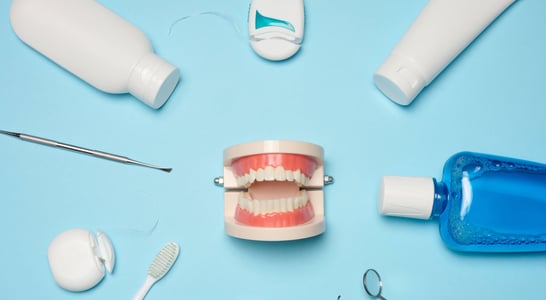
So, to be safe, it’s best to avoid those toothaches in the first place by practicing careful oral hygiene. Regular toothbrushing (for at least 2 minutes, at least 2 times per day), flossing or using interdental sticks, and rinsing with an antibacterial mouthwash are all great habits to get into.
Plus, avoiding sticky sweet candy and sugary drinks will keep the mouth healthier and the teeth ache-free.
How to Celebrate National Toothache Day
Observing this day is super important on many levels. One thing is for sure though, there will be no sugary candy or soda involved on this day! But here are some other ideas for how to celebrate:
Visit the Dentist
Going to the dentist regularly? Kudos! Or maybe it’s been a while? That’s okay! National Toothache Day is the perfect time to get motivated and make an appointment.
The dentist will check for any cavities or oral diseases such as gingivitis. And the hygienist will likely perform a thorough cleaning. And don’t forget to ask them for tips on how to keep the mouth healthy and prevent those dreaded toothaches.
Buy a New Toothbrush
Dentists say that the average person should probably get a new toothbrush every three to four months or so. National Toothache Day is a great help in remembering to get a new toothbrush. And, while at the store, be sure to pick up a new roll of dental floss as well!
Know the Signs of Oral Health Problems
Tooth pain or toothache is only one of the many signs that something might be wrong in the mouth. Swelling, sensitivity to cold, brown or black stains on a tooth, cracking, jaw popping, dry mouth or even bad breath can be signs that something is going wrong.
Any of these issues would be worth a visit to the dentist to have a look before it has the opportunity to get worse.
Spread the Word about National Toothache Day
Use this day as an opportunity to remind friends, family or coworkers to be sure that they are taking care of their own oral health.
Perhaps this would be a good time for teachers to invite a local dentist or dental hygienist to visit the classroom and give the kids pointers on how to take care of their teeth and gums.
Begin Healthier Habits
Facts About National Toothache Day
Toothache Is Often a Symptom of the World’s Most Common Disease
Toothache is frequently caused by untreated dental caries, and oral diseases as a whole affect an estimated 3.5 billion people worldwide.
The World Health Organization reports that untreated dental caries in permanent teeth is the single most prevalent health condition identified in the Global Burden of Disease studies, making toothache-linked decay a massive global health issue rather than a minor inconvenience.
How Toothache Pain Travels Through the Face
Most toothache pain arises when the soft tissue inside the tooth, the dental pulp, becomes inflamed and activates sensory nerve fibers that connect into branches of the trigeminal nerve, the main sensory nerve of the face.
Because many facial structures share this pathway, pain from a diseased tooth can sometimes be “referred” and felt in the jaw, ear, or head, which is why people occasionally mistake severe toothache for earache or sinus problems.
The Ancient “Tooth Worm” Theory of Toothache
For millennia, many cultures blamed toothache on a tiny “tooth worm” that bored holes in teeth.
A well-known Mesopotamian cuneiform text from the second millennium BCE describes a worm pleading with the gods to live in teeth and cause pain, and similar worm explanations persisted in Europe and Asia into the early modern period, until advances in anatomy and microbiology showed that bacteria and dietary sugars, not worms, drive tooth decay.
Neolithic Dentists Were Drilling Teeth Thousands of Years Ago
Archaeologists working at the Neolithic site of Mehrgarh in present-day Pakistan discovered human molars with precise drill holes dating to the 7th millennium BCE.
Microscopic analysis suggests these were deliberate dental interventions, probably performed with bow drills, and may have been attempts to relieve toothache or treat decay—evidence that people have been trying to manage tooth pain since long before written history.
Sugar Intake Has a Measurable, Dose‑Related Impact on Tooth Decay
Comprehensive reviews commissioned by the World Health Organization show a clear dose–response relationship between “free sugar” consumption and dental caries: as daily sugar intake rises, so does the number and severity of cavities across the lifespan.
Based on this evidence, WHO recommends limiting free sugars to less than 10% of total energy, and suggests that keeping them below 5% offers additional protection against decay and the toothaches it causes.
Fluoride Toothpaste Significantly Cuts the Risk of Toothache-Causing Cavities
Multiple randomized trials and systematic reviews, including a major Cochrane review, have found that brushing regularly with fluoride toothpaste reduces dental caries in children and adolescents by around 24% on average compared with non-fluoride pastes.
Public health agencies such as the CDC and American Dental Association therefore regard fluoride toothpaste as a cornerstone of preventing the decay and pulp infections that often lead to toothache.
Oral Infections Linked to Heart Disease and Diabetes Complications
Conditions that commonly underlie toothache, such as advanced periodontal (gum) disease and dental abscesses, contribute to a chronic inflammatory and infectious burden that is associated with systemic illnesses.
Scientific statements from the American Heart Association and reviews cited by the American Diabetes Association note consistent links between periodontitis and increased risk of atherosclerotic cardiovascular disease, as well as poorer glycemic control in diabetes, underscoring that ignoring painful oral infections can affect far more than a single tooth.
National Toothache Day FAQs
Why is National Toothache Day celebrated on February 9th?
The exact origin of National Toothache Day remains uncertain. Some speculate it aligns with the Feast Day of Saint Apollonia, the patron saint of dentistry, who was martyred in 249 AD.
Others suggest a connection to the founding date of the Hershey Chocolate Corporation, highlighting the link between sugar consumption and dental issues.
How did ancient civilizations treat toothaches?
Ancient cultures employed various remedies for toothaches. The Sumerians believed in a “tooth worm” causing decay and used prayers and incantations for relief.
In medieval Europe, people burned henbane seeds and inhaled the smoke to alleviate dental pain.
Are there any unusual myths associated with toothaches?
Yes, several myths exist. In medieval times, people believed that kissing a donkey could cure a toothache.
Another myth suggested that placing a dead mouse on the affected tooth would alleviate pain.
How do different cultures celebrate dental health?
In Japan, children participate in “Ema” ceremonies, where they write wishes for healthy teeth on wooden plaques at shrines.
In some African cultures, traditional healers perform rituals to protect against dental problems.
What are some quirky dental traditions around the world?
In Turkey, it’s customary to throw a child’s lost tooth onto the roof, believing it will bring good luck.
In Greece, children toss their teeth onto the roof and make a wish for strong adult teeth.
How did early dentistry evolve to address toothaches?
Dentistry dates back to 7000 BC, with evidence of tooth drilling in ancient civilizations.
By the 18th century, Pierre Fauchard, a French surgeon, published a comprehensive guide on dental care, laying the groundwork for modern dentistry.
Are there any famous literary references to toothaches?
Yes, William Shakespeare mentioned toothaches in his plays.
In “Much Ado About Nothing,” a character uses a toothache as an excuse for his melancholy, highlighting the commonality of dental pain even in the 16th century.
What are some unusual remedies people have used for toothaches?
Historically, people have used various remedies. In ancient Egypt, a mixture of ground barley, honey, and yellow ochre was applied to the affected tooth.
In medieval Europe, placing a clove of garlic in the mouth was believed to alleviate pain.
How has the perception of dental health changed over time?
In the past, dental health was often neglected, leading to common toothaches and extractions.
With advancements in dental science and public health initiatives, there’s now a greater emphasis on preventive care and regular check-ups.
Are there any modern-day misconceptions about toothaches?
A common misconception is that if a toothache subsides, the problem has resolved itself.
In reality, the underlying issue may persist and worsen without proper treatment. It’s essential to consult a dentist even if the pain diminishes.
Also on ...
View all holidays
National Pizza Day
Imagine sinking your teeth into a hot, crispy, cheesy slice of heaven. Each bite is a flavor explosion, transporting you to pizza paradise.

National Read In The Bathtub Day
Relax and rejuvenate while enjoying your favorite book in a soothing bath. It's a great way to unwind and escape from the hustle and bustle of daily life.


National Football Hangover Day
The party was legendary, the game was epic, but the hangover's no joke. Rally with comfort food, hydrate, and make the memories last!