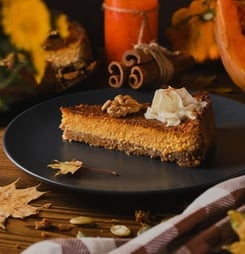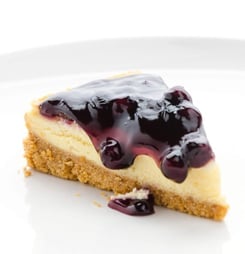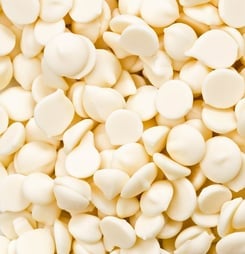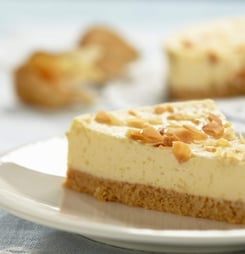
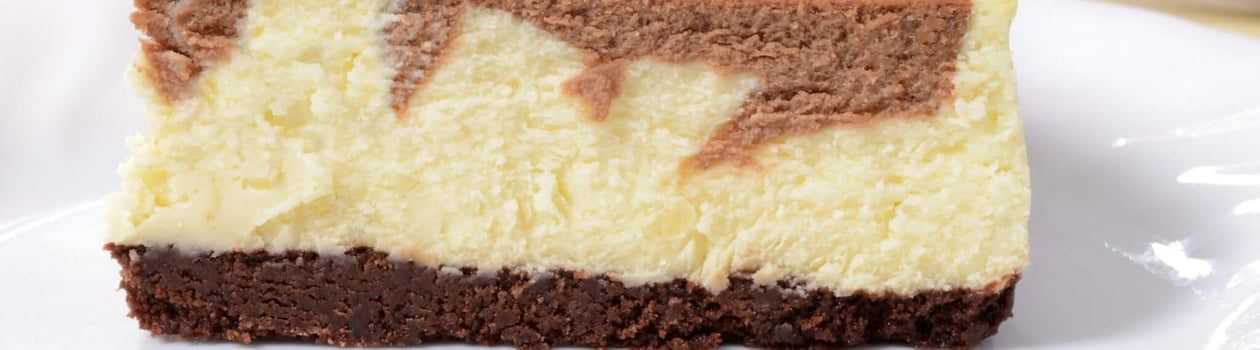
Elegance and delight come together on this day because today is all about white chocolate cheesecake. With the creamy goodness of cheesecake and the sweetness of white chocolate, many people think that it’s hard to find a more delicious dessert!
National White Chocolate Cheesecake Day is a day dedicated to celebrating this delightful combination in all of its glory.
So grab a plate, get a slice of cheesecake, and dig in as everyone learns about the origins and celebration of this amazing dessert.
National White Chocolate Cheesecake Day Timeline
First Recorded Cheesecake Recipe
Greek writer Athenaeus records one of the earliest surviving cheesecake recipes, describing a simple mixture of cheese, wheat, and honey that foreshadows later baked cheesecakes.
Invention of Modern Cream Cheese
Dairyman William A. Lawrence in Chester, New York, accidentally creates a richer, smoother cheese while trying to imitate French Neufchâtel, laying the foundation for American cream cheese–based cheesecakes.
Rise of New York–Style Cheesecake
New York restaurateur Arnold Reuben is widely credited with developing a dense cream cheese cheesecake, while Lindy’s in Manhattan helps popularize the iconic New York–style version during the 1930s.
Early Commercial “White” Candy Coating
The Zero Bar, first introduced in 1930 and later described as covered in a white fudge–like coating, showcases one of the earliest mass-produced white confectionery shells in American candy.
Nestlé Launches Milkybar / Galak
Nestlé introduces its Milkybar (also sold as Galak) in Europe, one of the first widely marketed bars made from cocoa butter, milk solids, and sugar, helping to define modern commercial white chocolate.
Cream Cheese Becomes Cheesecake Standard
By the mid‑1900s, cream cheese has largely replaced fresh curd cheeses in American recipes, cementing the rich, smooth style that pairs easily with flavorings like chocolate and fruit.
Fusion of White Chocolate and Cheesecake
As white chocolate bars and baking chips become common supermarket ingredients, cookbook and restaurant recipes begin to highlight white chocolate cheesecake, often combined with berries or cookie crusts.
How to Celebrate National White Chocolate Cheesecake Day
National White Chocolate Cheesecake Day can be loads of fun to celebrate in all different types of delicious ways. Try out these fund ideas for enjoying this day or come up with some other creative ideas of your own:
Pick Up a White Chocolate Cheesecake at a Bakery
For those who don’t feel that their cooking is up to par, this is a great day to buy a white chocolate cheesecake at your local grocery store in the bakery section.
Want something a bit more special? Head on over to a specialty bakery or a famous restaurant that serves cheesecake and have a taste of that white chocolate, cheesy goodness.
Eat White Chocolate Cheesecake at a Restaurant
Of course, the best cheesecake restaurant will change based on each location, but here are some fun options that people might want to try in celebration of this day:
- Cheesecake Factory, United States. With more than 200 restaurant locations throughout the United States, this is one restaurant that is guaranteed to have cheesecake any time they are open! And their version of white chocolate cheesecake is certain to be delicious.
- Gail’s Bakery, Soho, London, UK. Among a passel of baked goods and dessert items sits the featured item that this day is all about: white chocolate cheesecake. Pop by Gail’s in London or order a full sized cheesecake and have it delivered.
- Junior’s Restaurant and Bakery, New York City, USA. Since the original creator of the cheesecake in the city is no longer in operation, people in New York will have to find another place to celebrate this day. Junior’s offers the ambience of a classic diner and they call themselves the “Home of the World’s Most Fabulous Cheesecake”. Their cheesecakes can also be purchased at many grocery store chains throughout the United States.
Make a White Chocolate Cheesecake at Home
Those who are feeling a bit adventurous in the kitchen might want to celebrate National White Chocolate Cheesecake Day by trying out a recipe online and making it yourself.
Many different websites have lists of recipes for white chocolate cheesecake that can surely be tried and home–and they’re likely to be absolutely delicious!
Get Creative with White Chocolate Cheesecake
White Chocolate Cheesecake doesn’t have to be the same old thing. Put that imagination to the test and get creative with different ideas for ways to incorporate the white chocolate cheesecake theme into other unique recipes.
- White Chocolate Cheesecake Cookies. Incorporating cream cheese, white chocolate chips and the other ingredients normally included in cookies, these bite sized treats are a delicious way to celebrate the flavor of the day.
- White Chocolate Raspberry Cheesecake Bars. Take this delicious combination of flavors to the next level by adding raspberries, for a tart and fruity taste. A graham cracker crust completes the ensemble.
- White Chocolate Cheesecake Brownies. These use a basic brownie recipe, but swirl a white chocolate cheesecake into the center. It’s absolutely divine!
Share this day on social media and let friends know it’s time to indulge with some delicious dessert. Tell them that it’s time to celebrate National White Chocolate Cheesecake Day and invite them along for the fun!
History of National White Chocolate Cheesecake Day
Throughout history, it is believed that the ancient Aztec and Mayan people consumed chocolate, or rather specifically the cocoa bean, by turning it into a drink and including it in religious rituals.
Once Europeans were introduced to the marvel of chocolate and its benefits, many early Europeans would drink chocolate as a beverage. Soon, down the line of history, people started experimenting with chocolate in other ways, including making it into a solid chocolate bar.
Soon after, the combination of chocolate cake arose when, throughout the 19th century, people started using chocolate and powdered cocoa in baked goods.
This promoted the marketing value of chocolate in desserts and increased the motivation for chocolate makers to produce it and encourage people to be creative with it in their kitchens.
White chocolate, on the other hand, appeared much later on, when the Nestle company began making white chocolate in the 1930s in Europe. Also at the heart of its creation was Kuno Baedeker, who developed white chocolate in 1945 in North America.
Cheesecake, on the other hand, has a more direct and recent line of history that can be traced down through a few decades.
During the 1930s, the famous New York style cheesecake began at a restaurant called Lindy’s in Manhattan, the first restaurant to ever create the delicious combination of cream cheese and cake into one delicate treat.
Lindy’s was beloved for its creation of cheesecake, and was also known for its famous clientele, including Harpo Marx, Woody Allen, Al Jolson and Milton Berle.
While the restaurant sadly closed its doors in the 1960s, the owner of the restaurant had released their sought-after cheesecake recipe out to the public in the 1930s through the magazine, Duncan Hines, which critically acclaimed high-quality restaurants for their food innovations.
Today, there are many different kinds of cheesecakes out there that can be made, and white chocolate cheesecake is just one of the tasty creations that will make your mouth water for more. And that’s exactly what today is all about!
Facts About National White Chocolate Cheesecake Day
Cream Cheese Was a 19th-Century Accident That Transformed Cheesecake
Modern cheesecakes owe their signature richness to cream cheese, which was not created for desserts at all. In the 1870s, New York dairyman William Lawrence was trying to replicate French Neufchâtel when he accidentally produced a denser, richer cheese that became marketed as cream cheese.
By the early 20th century, American bakers had largely shifted from using curd- or ricotta-based fillings to cream cheese, helping give rise to the dense New York–style cheesecake that is now a dessert standard.
White Chocolate Is Legally Defined by Its Cocoa Butter, Not Cocoa Solids
Unlike dark or milk chocolate, white chocolate contains no cocoa solids at all, which is why some purists argue it is not “real” chocolate.
In the United States, the Food and Drug Administration requires that products labeled white chocolate contain at least 20% cocoa butter, 14% total milk solids, and no more than 55% sugar, with only trace amounts of cocoa solids allowed.
Similar standards in the European Union mandate a minimum of 20% cocoa butter and 14% milk solids. These legal definitions are what distinguish true white chocolate from cheaper “white candy” coatings made with vegetable fats.
Nestlé’s Milkybar Turned White Chocolate into a Mass-Market Treat in the 1930s
Although cocoa butter had been used in confectionery earlier, it was Nestlé’s Milkybar, introduced in Europe in 1936, that popularized white chocolate as a stand-alone sweet.
Developed in part to make use of surplus milk powder and cocoa butter, Milkybar was marketed primarily to children and helped cement the idea of white chocolate as a creamy, mild alternative to darker varieties.
Its success encouraged other manufacturers to develop white chocolate bars and baking products later in the 20th century.
White Chocolate’s High Sugar and Milk Content Make It Tricky to Bake With
From a food science perspective, white chocolate behaves very differently from dark chocolate in the oven. Because it is mostly cocoa butter, sugar, and milk solids, it has a lower burning point and is more prone to scorching and seizing when overheated or exposed to small amounts of moisture.
Professional bakers typically melt white chocolate over very low heat or in a double boiler and often mix it with cream or cream cheese to stabilize it in fillings and cheesecakes, which helps prevent graininess and splitting.
Baked and No-Bake Cheesecakes Rely on Different Structures
What people call “cheesecake” actually covers two distinct types of desserts with different scientific foundations.
In a traditional baked cheesecake, eggs in the cream cheese mixture coagulate slowly in a moderate oven, forming a custard-like gel that holds its shape once cooled. No-bake cheesecakes instead rely on refrigeration and added stabilizers such as gelatin or whipped cream; the proteins and fats form a cold-set network rather than a heat-set custard.
White chocolate is often used in no-bake versions because its cocoa butter firms up when chilled, strengthening the structure without the need for eggs.
Cheesecake Has Documented Roots in Ancient Greece and Rome
Long before cream cheese and graham cracker crusts, ancient Greeks were already serving a predecessor of cheesecake.
Texts attributed to the physician Aegimus in the 5th century BCE reportedly described a cheese-and-honey cake, and later Roman writers such as Cato the Elder recorded recipes for “libum” and other baked cheese cakes used in religious offerings and feasts.
These early versions combined fresh cheese, wheat, and honey, illustrating how the basic idea of a sweetened cheese dessert was embedded in Mediterranean food culture millennia before modern cheesecakes emerged.
Ricotta, Quark, and Cream Cheese Give Cheesecakes Distinct Regional Identities
Around the world, the choice of cheese dramatically changes both the texture and character of cheesecake.
Italian versions often rely on ricotta, producing a lighter, slightly grainy crumb, while German Käsekuchen traditionally uses quark, yielding a tangier and more custardy filling. American cheesecakes are typically built on cream cheese, which gives them their dense, smooth texture and mild flavor.
When white chocolate is added to these different bases, it interacts with the fat and moisture in each cheese type in unique ways, from ultra-silky American styles to more delicately sweet Italian ricotta cakes.