World Yoga Day
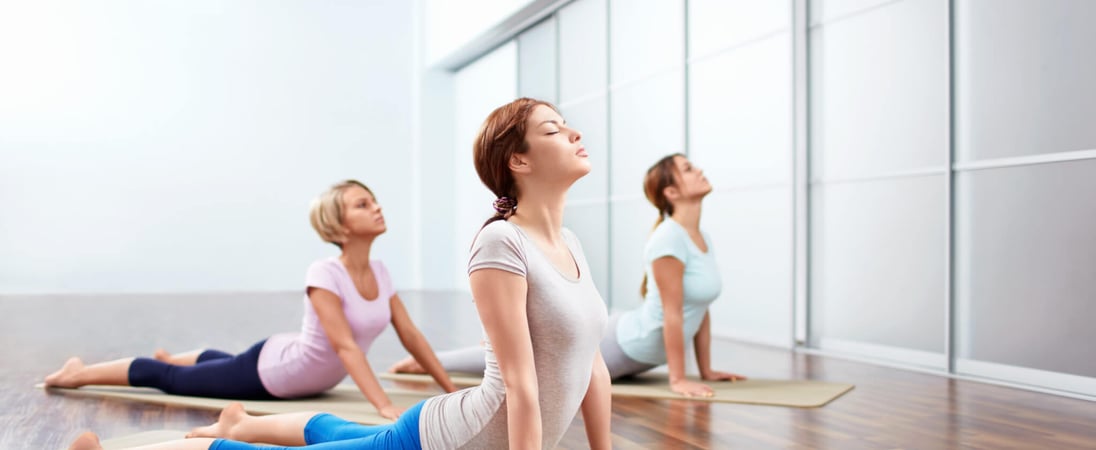
Twist, stretch, breathe in and out, feel the stress melt away, feel the joy flowing in — journey towards a better version of yourself.
Yoga’s health benefits have been known to humankind for thousands of years. This ancient practice involves physical poses, deep breathing and concentration that provide a whole host of physical, mental, spiritual and emotional benefits.
When practiced properly, yoga can help to improve flexibility, balance and posture; build muscle strength; increase blood flow; boost immunity; regulate blood pressure, learn to focus, and promote better sleep–and that’s just to name but a few of the ways it can make a person’s life better.
And that’s not even the whole story. Yoga can also help those who may have never even had the chance to try it, because yoga practitioners the world overuse it to raise both money and awareness, sending their positive energy to those who need it most.
It’s time to learn more about and celebrate World Yoga Day!
How to Celebrate World Yoga Day
Eager to get involved with observing World Yoga Day but not sure how? Try out some of these ideas for celebrating:
Start Practicing Yoga
For those who have never gotten involved with yoga before, this would be a great time to get started! Whether through a beginner’s yoga class in a studio or even participating in a workshop online, World Yoga Day is the perfect opportunity to get moving, stretching, and mediating–for a very good cause.
While there are more than 100 different types of yoga that can be practiced, Hatha yoga, Vinyasa yoga and Anusara yoga are particularly good places to start when it comes to beginners, but it really depends on each person’s particular goals.
Learn More About Yoga
Many people are not well versed on exactly what yoga is, what it is used for, and how it is connected to certain religious practices. And, although yoga certainly had its beginnings in mental and spiritual disciplines, the more Western versions of yoga take on a much more physical approach.
Some yoga instructors might focus more on the mediation aspect where others will take a purely physical approach. Simply check in with an instructor or school before joining their class to find out which approach would be the best fit personally.
Benefits of Yoga
Even just practicing between 15 and 20 minutes of yoga each day or every other day can make significant improvements on a person’s daily life. Of course, studies and personal experiences differ, but many people report these types of benefits from practicing yoga on a regular basis:
- Improved flexibility and posture. The simple act of stretching beyond normal limits on a regular basis shows slow but steady improvement. Many people can’t even touch their toes when they start, but may eventually be able to do a backbend.
- Healthy posture. Improved flexibility also allows the body to build strength that holds the head and back in a healthier position that can reduce pain in the back, neck, shoulders, hips and more. This also keeps the spine healthy and protects it from injury.
- Benefits bone health. The strength and weight-bearing exercises of yoga offer the opportunity to ward off bone weakening illnesses such as osteoporosis.
- Improved circulation and blood flow. As the body bends, moves and breathes in a focused manner, more oxygenated blood is freed to flow throughout the body and back to the heart. And through relaxation exercises circulation is increased, especially in the extremities such as the hands and the feet.
Participate in a World Yoga Day Session
The best way to celebrate this day is to participate! World Yoga Day takes place in hundreds of yoga schools worldwide, so find the one nearest you and sign up! No matter whether you practice Iyengar, Bikram, Anusara, Ashtanga, or Laughter Yoga, this day is the day that it is particularly possible to help make a difference in the world and in the lives of those who suffer needlessly.
Even those people who have never tried yoga before don’t need to worry! This day is the perfect time for people to see for themselves why so many people in the world are in love with it. Who knows, what starts as a bit of charity may end up a significant part of a new, healthier lifestyle?
And even for people who can’t afford to donate much financially, remember that the money is important to help victims of human right violations, but so is the spirit, making the gift of energy invaluable. So take the opportunity this day offers to help both yourself and those who need it most and take part in World Yoga Day!
World Yoga Day FAQs
What is World Yoga Day?
World Yoga Day was a dream of Samira Radsi to use the benefits of Yoga to help the victims of human rights infringement. This idea was meant to create union among those who practice Yoga as well as encouraging its use to benefit those in need.
What is Yoga good for?
Yoga has a variety of health benefits when practiced appropriately. Even without the religious or spiritual side, the physical practice of yoga can help with mental well-being, stress relief, increased flexibility, improved cardio health, reduced inflammation and much more.[1]
Who is the father of Yoga?
Considered to be the father of modern yoga, Patanjali was the author of the Yoga Sutras, a revered text which mentions the twelve yoga poses. He lived from approximately 200 BC to 150 BC.[2]
How is Yoga good for your mental health?
In addition to physical stretching, yoga has a focus on breathing and meditation which can lead to a sharper brain, improved mood, reduced anxiety and depression, better sleep, and even reduced anger.
Can Yoga help you lose weight?
Certain types of Yoga that are active and more intense may actually burn enough calories to help with weight loss or, at least, to prevent weight gain. In addition, Yoga may help with increased metabolism and building muscle tone.[3]
History of World Yoga Day
World Yoga Day was started several years ago by Samira Radsi, a yoga teacher living in Berlin, Germany. Samira says that the purpose for creating World Yoga Day was to harness the power of yogis all over the world to help victims of human rights violations. The idea just happened to come to her spontaneously when she was drinking a cappuccino one Saturday morning.
Soon, Samira shared her dream of helping people via yoga with her friend and fellow yoga teacher, Bjoern Wyrich, and they began to take action to make World Yoga day a reality.
One of the first steps was to get in touch with yoga schools in various places all over the world to find out how many of them would be interested in participating, and several hundred declared their support. The hope was to form a 24 hour world yoga marathon.
In general, the idea behind World Yoga Day is very simple: yoga teachers, yoga schools and yogis around the world donate a bit of their time, space and money to human rights causes. Each participating school organizes a two-hour yoga session during which all of the participants devote all of their thoughts and energy to people who have suffered human right violations in hopes that that will help those people feel stronger and more positive. Students may also donate as much money as they can afford, and the money collected is then donated to charities helping the victims.
One important aspect of the two-hour yoga session is that it must take place precisely from 11 am to 1 pm local time, so that the result will be a 24-hour yoga marathon in the intentions of those suffering violence and other forms of injustice.
Ancient Roots of Yoga and Its Early Meaning
Long before yoga became a modern fitness practice, it developed as a deeply philosophical and spiritual tradition.
These facts explore how early texts, linguistic roots, and archaeological debates reveal yoga’s original purpose as a disciplined path toward mental focus, ethical living, and spiritual insight rather than physical exercise alone.
-
Ancient Texts Describe Yoga as an Eight-Limbed Spiritual Discipline
Long before yoga became a popular exercise class, classical Sanskrit texts described it as a comprehensive path to liberation.
Patanjali’s Yoga Sutra (around the 2nd century BCE to 4th century CE) outlines an eight-limbed system that includes ethical restraints and observances, posture (asana), breath control (pranayama), concentration, meditation, and final absorption (samadhi), showing that physical poses were originally only one part of a larger spiritual discipline.
-
Debate Continues Over Whether Indus Valley Seals Show Early Yoga
Some scholars argue that a famous seal from the Indus Valley civilization, known as the “Pashupati seal,” shows a horned figure seated in a posture reminiscent of a yoga pose, suggesting yogic practices as early as 2500–1500 BCE.
Others caution that this interpretation reads later Hindu and yogic ideas back into much older artifacts and note that there is no consensus that the seal documents historical yoga practice.
-
Vedic Roots of Yoga Lie in the Idea of “Yoking” the Mind
The word “yoga” is related to the Sanskrit root “yuj,” meaning “to yoke” or “to harness,” and appears in some of the oldest Indian scriptures, the Vedas.
Early uses of the term are linked with yoking the mind or senses in ritual and contemplation, suggesting that what later became codified as yoga grew out of practices aimed at mental discipline and spiritual insight rather than physical exercise alone.
-
Swami Vivekananda Helped Introduce Yoga Philosophy to the West
A pivotal moment in yoga’s global spread occurred in 1893, when Swami Vivekananda addressed the World’s Parliament of Religions in Chicago.
Speaking in English and emphasizing yoga as a universal spiritual philosophy rather than a set of postures, he captivated Western audiences and opened the door for later teachers to popularize both meditative and physical forms of yoga outside India.
-
Yoga Often Matches or Outperforms Conventional Exercise in Health Studies
A review of clinical studies published in a National Institutes of Health journal found that yoga practices were as effective as, and in some cases better than, conventional exercise for improving outcomes such as cardiovascular risk factors, physical fitness, and quality of life in both healthy people and those with chronic conditions.
The authors suggested that yoga’s combination of movement, breath, and relaxation may explain its broad therapeutic impact.
-
Regular Yoga Practice Can Lower Blood Pressure and Improve Heart Markers
Medical reviews report that consistent yoga practice can reduce systolic and diastolic blood pressure, lower resting heart rate, and improve heart rate variability, all of which are important markers of cardiovascular health.
These effects are thought to come from a combination of moderate physical exertion and the dampening of the body’s stress response through controlled breathing and relaxation.
-
Global Yoga Research Expanded Rapidly After 2015
An analysis of scientific publications found that research on yoga accelerated sharply in the mid-2010s, with a 63.8 percent increase in yoga-related papers after 2015 compared with the entire period from 1948 to 2014.
The authors noted that yoga has moved from the fringes into mainstream medical and psychological research, with growing interest in its role in public health, mental well-being, and chronic disease management.
World Yoga Day Timeline
4500-2500 AD
Early Yoga is practiced
Some of the earliest references to yoga are found in relation to the Indus-Sarasvati civilization with pictures that depicted humans in poses that are much like yoga.[1]
100 BC – 500 AD
Classical Yoga evolves
Just prior to this period of time, the Yoga Sutras are compiled, becoming the first systematic presentation of the practice of yoga.[2]
1700 AD
Modern Yoga develops
At this point, a remarkable development occurs when yoga makes its way from East to West.[3]
1893
Swami Vivekananda speaks at Parliament of Religions
Visiting Chicago in the United States, Swami Vivekananda speaks to listeners of a variety of faiths. Attendees are impressed and minds seem to be more open to hearing about the practice of yoga.[4]
2000s
World Yoga Day is Celebrated
While the exact year isn’t known, World Yoga Day is initiated in Berlin, Germany as an idea Samir Radsi has while drinking a cup of coffee.[5]
Also on ...
View all holidays
National Margarita Day
Transport yourself to a sunny beach with this delicious, refreshing drink that perfectly blends sweet and sour flavors. Cheers!


Single Tasking Day
Ever notice how tackling one thing at a time feels like cruising down an open road instead of gridlocked traffic?

National Cook a Sweet Potato Day
When roasted to a golden brown, they turn into crispy-on-the-outside, soft-on-the-inside bites of perfection that leave taste buds grinning.
We think you may also like...
International Yoga Day
Yoga benefits both your mental and physical health, and can be done just about anywhere. Sign up for a class, or perhaps find a Youtube tutorial to get started.
National Take the Stairs Day
Ditch the elevator and take the stairs, it's a simple way to sneak in some exercise and get those endorphins flowing.