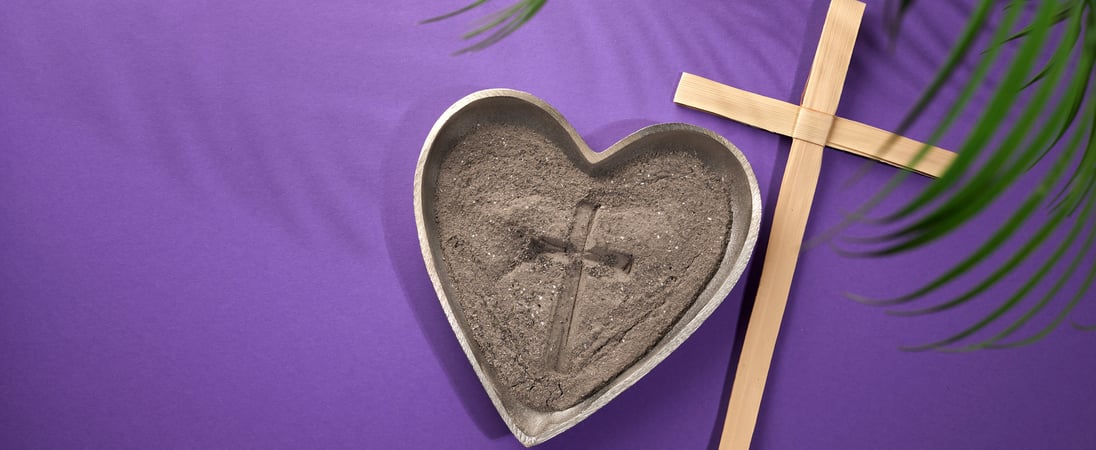
Ash Wednesday
Ash Wednesday marks the start of a significant season in many Christian communities. It is a time for reflection and spiritual renewal. The day encourages individuals to consider their actions, relationships, and faith.
With ashes on the forehead, this day powerfully reminds us of life’s fragility and the need for a deeper connection with one’s beliefs.
It calls people to pause and consider the bigger picture in their spiritual journey.
Ash Wednesday Timeline
c. 4th Century
Emergence of a Pre‑Easter Fast
Western Christians begin observing a multi‑day period of fasting and penance before Easter, laying the groundwork for what becomes the Lenten season that Ash Wednesday will later open.
590–604
Pope Gregory the Great Regularizes Lent
During his pontificate, Pope Gregory I standardizes Lent in Rome as a 40‑day fast (excluding Sundays), calculated by beginning the observance on a Wednesday 46 days before Easter.
c. 970
Monastic Reforms Extend Ash Use in England
Under Bishop Æthelwold and the Regularis Concordia, English monastic reforms promote a rite of placing ashes on the heads of the faithful at the start of Lent, moving ashes beyond strictly public penance.
c. 1000
Ælfric of Eynsham Describes “Day of Ashes”
The Anglo‑Saxon abbot Ælfric preaches about the custom of receiving ashes on the first day of Lent, providing one of the earliest detailed references to the wider imposition of ashes on laypeople.
1091
Council of Benevento Standardizes Ashes for All Faithful
At the Council of Benevento, Pope Urban II orders that ashes be imposed on clergy and laity alike at the beginning of Lent, helping to make the “Day of Ashes” a universal Western Christian practice.
1548–1549
Reformation England Suppresses Ashes
Royal proclamations and the first Book of Common Prayer in England abolish the traditional imposition of ashes, replacing it with the Commination Service that emphasizes verbal denunciations of sin instead of the ash ritual.
1969
Post–Vatican II Roman Missal Reforms the Rite
The revised Roman Missal preserves Ash Wednesday as the start of Lent, introduces the alternative formula “Repent, and believe in the Gospel,” and formally provides for the blessing and distribution of ashes both within and outside Mass, influencing many other Western churches.
History of Ash Wednesday
Ash Wednesday’s origins can be traced back even further to the early days of Christianity when public penance was a common practice.
In the first few centuries, those who committed serious sins would often confess and then do penance publicly. This might hav involved fasting, prayer, or wearing sackcloth and ashes as signs of repentance. Over time, the church saw the value in extending this practice to all believers, not just those guilty of grave sins.
Most historians attribute the practice of Ash Wednesday to the 6th century, during Pope Gregory the Great’s time. By the 11th century, Ash Wednesday had become an established part of the liturgical calendar across much of the Christian world.
The distribution of ashes was formalized in church services, where priests would bless the ashes made from the previous year’s Palm Sunday branches before marking the foreheads of the faithful.
The words spoken during the ash marking, “Remember that you are dust, and to dust you shall return,” remind people of their mortality and the need for repentance.
This tradition has remained a powerful symbol of humility and a call to reflect on one’s spiritual life.
Why Celebrate Ash Wednesday?
Christians celebrate Ash Wednesday for several important reasons. It begins 40 days dedicated to prayer, fasting, and self-examination, which is seen as a chance to grow closer to God.
The ashes, placed on the forehead, symbolize repentance and the acknowledgment of one’s humanity.
This day also invites individuals to seek forgiveness and renew their commitment to living a life of faith. It sets the tone for the weeks ahead, guiding believers toward Easter with a clear and humble heart.
How to Celebrate Ash Wednesday
Get Ashy with It
Start the day by attending an Ash Wednesday service. Show off that ashy forehead with pride! Wearing that little smudge can spark interesting conversations and serve as a quiet reminder to stay mindful throughout the day.
Plus, you’ll be joining millions of others around the world in this ancient tradition. Talk about a global connection!
Time to Reflect
Why not take some time for a bit of soul-searching? Grab a cozy spot, a warm drink, and your favorite journal. Think about the past year and what you want to focus on during Lent.
It’s like a mini retreat without leaving your house. Reflecting on life’s ups and downs can be surprisingly refreshing.
Go Light on Lunch
Fasting doesn’t have to be a bore. Try something different and keep it simple for lunch. Maybe skip that heavy meal and opt for something light.
Think of it as a way to reset your taste buds. It’s also a great excuse to avoid cooking a big meal – win-win!
Lend a Helping Hand
Spread a little kindness by doing something nice for someone else. It could be as simple as sending a thoughtful message or donating to a cause you care about.
Helping others adds a sprinkle of goodness to your day and makes the world just a little bit brighter.
Unplug and Unwind
Take a break from the digital world, just for a bit. Put away your phone, turn off the TV, and enjoy some quiet. Use this time to read, meditate, or just breathe deeply.
Who knew disconnecting could be so relaxing? You may even want to make it a regular thing.
Facts About Ash Wednesday
Ancient Sackcloth and Ashes as Public Protest
Long before Christianity, the Hebrew Bible describes people using sackcloth and ashes not only for private repentance but also as a public protest against injustice or disaster.
In the Book of Esther, Mordecai tears his clothes, puts on sackcloth and ashes, and cries out in the city when he learns of a royal decree to annihilate the Jews, turning his own body into a visible sign of resistance and grief before the community and the king’s palace.
From Elite Penitents to the Whole Congregation
In the early centuries of Christianity, ashes were reserved mainly for public “canonical penitents” who had committed serious sins like apostasy, murder, or adultery.
These people were marked with ashes and excluded from Communion for a time, sometimes made to stand outside the church doors asking for prayers.
By around the 10th–11th centuries in Western Europe, that strict class of penitents had largely disappeared, and the church gradually extended the ash rite to all the faithful as a communal acknowledgment of sin and mortality rather than a punishment for a few.
Spain and France Shaped the Western Ash Rite
The familiar Western practice of beginning Lent with ashes did not originate in Rome but appears first in regional liturgies in what is now Spain and France.
Scholars note that Mozarabic (Spanish) and Gallican (French) traditions in the early Middle Ages used ashes at the start of the Lenten fast, and only later were these absorbed into the Roman rite and spread more widely, illustrating how local European customs helped define a practice now associated with global Christianity.
A Council in 1091 Standardized the Ash Practice
The transition from varied local customs to a unified Western observance can be traced to the Council of Benevento in 1091. There, Pope Urban II ordered that everyone—not just public penitents—should have ashes imposed at the beginning of the Lenten fast.
After this decision, liturgical books began to call the day “Feria Quarta Cinerum” (“Wednesday of Ashes”), cementing the ash ritual as a universal entry point into the penitential season in Latin Christianity.
Why Lent Is Forty Days but Lasts Longer on the Calendar
Lent’s “forty days” imitate biblical periods of forty—such as Jesus’ forty days in the wilderness—but the calendar span in Western churches runs about six and a half weeks.
By the 7th century, Rome wanted a full forty fasting days while continuing to treat Sundays as feast days when fasting was not allowed. To reconcile this, four extra days were added before the first Sunday of Lent, giving roughly 46 calendar days, of which forty are fast days and Sundays are exempt.
Eastern Christianity Begins Lent Without Ashes
While Western churches start Lent with ashes, Eastern Orthodox and many Eastern Catholic traditions do not use an ash ritual at all. Instead, they begin “Great Lent” on Clean Monday, marked by asking forgiveness from one another, strict fasting, and extended liturgical services.
This contrast shows that even within global Christianity, penitential seasons developed along different cultural and theological lines, with the East emphasizing mutual reconciliation rather than a specific symbolic substance.
Modern Fasting Rules Mix Ancient Discipline and Health Safeguards
Contemporary Roman Catholic fasting regulations, which treat Ash Wednesday and Good Friday as obligatory fast days, are shaped by both ancient ascetic ideals and modern concerns about health.
Catholics aged 18–59 are asked to eat only one full meal and two smaller meals that together are less than a full meal, while those under 18, over 59, pregnant, nursing, or seriously ill are exempt, reflecting how a long-standing spiritual discipline has been reframed to account for medical and social realities.
Ash Wednesday FAQs
What is the spiritual purpose of using ashes and dust as symbols of repentance?
Ashes and dust are used in Jewish and Christian traditions to express mourning, repentance, and human mortality.
In the Hebrew Bible, people put on sackcloth and ashes or sit in ashes to grieve, confess sin, and plead for mercy, recognizing that human beings return to the earth (“for dust you are and to dust you shall return”).
Early Christians adopted this imagery to show outwardly an inner turning back to God, linking ashes with humility, conversion, and dependence on divine forgiveness.
How did the ancient practice of sackcloth and ashes develop from Judaism into Christianity?
In ancient Judaism, figures such as Job, Daniel, and the people of Nineveh used sackcloth and ashes during times of crisis or repentance, making these signs a common expression of grief and contrition.
Early Christian writers like Tertullian and Eusebius describe Christians using ashes and rough garments in public penance, continuing the Jewish pattern but integrating it into church discipline.
By the early Middle Ages, Western churches had formal rites where ashes were blessed and imposed on penitents, showing a gradual shift from spontaneous cultural practice to structured Christian liturgy.
Do all Christian traditions observe Lent and related penitential practices in the same way?
Christian traditions vary significantly in how they approach Lent and penitential practices.
Western churches such as Roman Catholic, Anglican, and many Lutheran and Methodist communities typically observe a 40‑day season of prayer, fasting, and almsgiving before Easter, often including the use of ashes and specific fasting rules.
Eastern Orthodox churches also have a Great Lent focused on repentance and fasting, but it follows a different calendar, begins on “Clean Monday,” and does not include an ash rite.
Some evangelical or free‑church communities may emphasize personal repentance and preparation for Easter without formal liturgical structures.
What are typical fasting and abstinence guidelines in the Catholic Church during Lent, and who is exempt?
In the Latin Rite of the Catholic Church, fasting usually means one full meal and up to two smaller meals that together do not equal a full meal, with no eating between meals, while abstinence means refraining from meat.
Current norms in many countries require Catholics aged 18 to 59 to fast on designated days such as Ash Wednesday and Good Friday, and Catholics aged 14 and older to abstain from meat on those days and on Lenten Fridays.
Children below these ages, those 60 and older, and people who are ill, pregnant, nursing, or whose work or health would be harmed by fasting are ordinarily exempt and are encouraged to choose other appropriate forms of penance.
Can fasting and other Lenten disciplines be adapted for people with health conditions?
Most Christian traditions that encourage fasting also allow adaptations for people whose health could be affected.
The Catholic Church, for example, explicitly exempts the sick, the elderly, and pregnant or nursing women from strict fasting and encourages them to consult medical advice and use alternative forms of penance such as acts of charity, prayer, or voluntary simplicity.
The underlying principle is that spiritual discipline should foster conversion and love of God and neighbor, not jeopardize physical or mental well‑being.
Why is the number forty so important in the context of Lent and Christian repentance?
The number forty has strong biblical associations with testing, repentance, and preparation.
The Gospels describe Jesus fasting in the desert for forty days before beginning his public ministry, and the Old Testament recounts Israel’s forty years in the wilderness, Moses’ forty days on Sinai, and the forty days of rain in the story of Noah.
Lent’s approximate forty‑day structure (excluding Sundays in Western practice) echoes these narratives, symbolizing a focused period of spiritual training, self‑examination, and renewal before the celebration of Easter.
How do Jewish understandings of ashes and mourning help explain Christian penitential symbols?
In Jewish tradition, ashes are connected with grief, national catastrophe, and personal repentance, as seen when mourners or communities facing disaster sit in ashes, tear garments, or wear sackcloth.
These acts acknowledge both sorrow over sin and human frailty before God.
Christian use of ashes draws directly from this heritage, retaining the ideas of mourning and conversion while adding a Christ‑centered focus on forgiveness and resurrection, so that the symbol points both to human mortality and to hope for redemption.
Also on ...
View all holidays
National Drink Wine Day
Raise your glass to a delicious beverage that pairs well with a romantic dinner or a fun night out with friends!


National Eat Ice Cream for Breakfast Day
Savoring frozen delights at sunrise to honor young fighters, uniting with sweet compassion for a vital cause.

We think you may also like...

Queer Youth of Faith Day
Embrace the empowering journey of LGBTQ+ young individuals finding strength within their faith community's accepting embrace.



National Common Courtesy Day
Just doing those little things, like holding the door or saying 'thank you,' can turn an ordinary day into a brighter one.