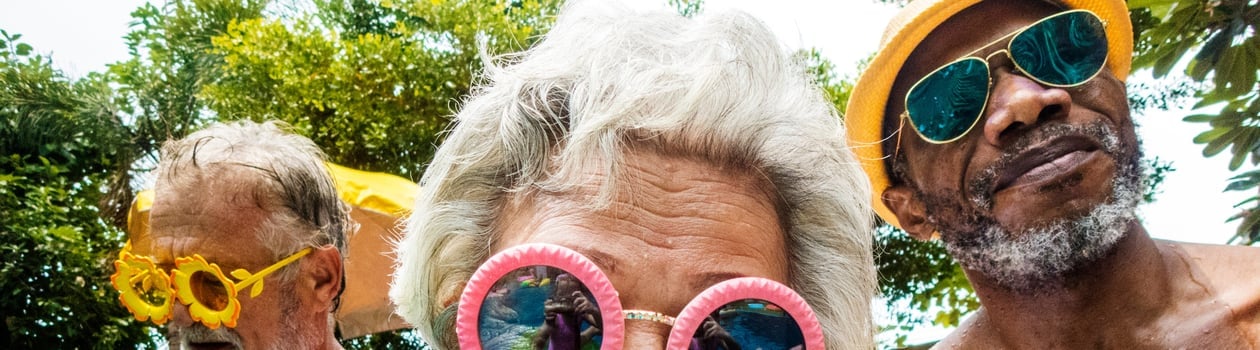
Boomer Bonus Day is a special occasion that celebrates the contributions of the Baby Boomer generation, which includes people born between 1946 and 1964.
This day highlights the lasting impact Boomers have had on society and the economy. Many businesses use this opportunity to offer discounts or special deals to Boomers, recognizing the generation’s role in shaping modern consumer culture.
Baby Boomers are often associated with big, era-defining shifts: expanding suburbs, a booming postwar economy, the rise of mass media, and major changes in music, fashion, and workplace culture.
They also helped normalize the idea that consumers can influence markets through their preferences, whether that meant lining up for new products, adopting emerging tech, or changing what “family entertainment” looked like.
Boomer Bonus Day leans into that influence with a friendly nudge: say thanks, share time, and maybe score a “boomer bonus” discount along the way.
How to Celebrate Boomer Bonus Day
Spread Some Cheer at a Senior Center
A fun way to mark Boomer Bonus Day is by visiting a local senior center. Chatting with residents, playing games, or just spending time with them can bring smiles all around.
It’s a day to show appreciation for their stories and experiences, so why not brighten their day with your presence? Bring some snacks or plan a small activity to make it even more special.
To make a visit genuinely helpful, a little preparation goes a long way. Calling ahead can clarify what’s welcome, since some centers have scheduled programming, health precautions, or rules about outside food. Once there, it helps to bring an activity that’s easy to join without pressure.
Think simple card games, a trivia round with music or movie themes, a puzzle, or a “show and tell” conversation starter like old photos (copies, not originals) or a few vintage household items.
Boomer Bonus Day is also a good excuse to listen in a way that honors real life rather than turning the conversation into an interview. Open-ended questions tend to spark warm stories: What was a first job like? Which invention felt the most futuristic at the time?
What song instantly takes them back to their teens? When people feel heard, the visit becomes less like “volunteering” and more like connecting. If the center is open to it, offering to help with a small group activity, such as leading a sing-along, hosting a movie matinee, or organizing a craft table, can turn a casual drop-in into a highlight for everyone involved.
Share a Meal Together
Cooking a favorite meal for the Boomers in your life is another great way to celebrate. Whether it’s a family gathering or just a one-on-one dinner, sharing a meal creates opportunities to bond.
You can even ask them to share their favorite recipes from when they were growing up. These little conversations over food can make the day extra memorable.
Food is a sneaky time machine. A familiar dish can bring back school lunches, neighborhood cookouts, and the first “grown-up” meal someone learned to make on their own. Boomer Bonus Day is a natural fit for a menu that mixes comfort and curiosity: a classic casserole night, a build-your-own sandwich bar, or a “greatest hits” potluck where everyone brings one dish that mattered in their family.
To make it more personal, the meal can double as a recipe rescue mission. Plenty of beloved recipes exist only as a stained index card or a half-remembered method.
Writing down measurements, taking a few photos of steps, or recording a short audio note about the technique can preserve a little piece of family culture. It also keeps the day practical: the best celebration is one that leaves something behind, like a shared recipe document or a handwritten cookbook page to pass along.
If cooking is not an option, the spirit still works with takeout, a picnic, or a homemade dessert. The key ingredient is time at the table. Turning off background noise, setting the table with a bit of intention, and letting the meal unfold at a comfortable pace can make a simple dinner feel like an event.
Offer a Helping Hand
Sometimes the simplest gesture can mean the most. Help out a Boomer with something they might find tricky, like carrying groceries or doing some yard work.
Little acts of kindness go a long way, and it’s a perfect excuse to show how much you value them. Everyone loves a bit of assistance now and then!
A helpful hand can be physical, logistical, or digital. Some Boomers love new gadgets and apps, while others would gladly trade a password reset for a cup of coffee and a calm explanation. Boomer Bonus Day can be a perfect moment to offer “tech help without the eye-rolling,” which is a gift in itself.
Setting up a phone’s emergency contacts, organizing photos, adjusting text size for readability, or simplifying home screen icons can remove daily friction. The same goes for setting up automatic bill pay (with consent), organizing important documents, or creating a list of key contacts.
On the practical side, small household tasks add up. Changing light bulbs, checking smoke detector batteries, replacing an air filter, or tidying a garage shelf can reduce risk and make the home more comfortable. For outdoor jobs, something as simple as trimming a bush, sweeping a walkway, or hauling a few heavy bags can feel enormous to someone dealing with knee pain or limited mobility.
The best kind of help is collaborative rather than patronizing. Asking “What would make your week easier?” gives control to the person receiving help, and it often reveals needs that are easy to solve. Sometimes the “bonus” is simply showing up, staying patient, and doing the job together.
Organize a Fun Throwback Event
Get creative by organizing a themed party that transports Boomers back to their youth. Play their favorite music from the ’60s or ’70s and maybe even dress up in retro styles.
It’s a playful way to celebrate their generation while everyone enjoys some nostalgic fun. Plus, it gives Boomers a chance to relive some of their best memories.
A throwback event works best when it’s less about stereotypes and more about personal nostalgia. Not every Boomer loved the same bands or wore the same trends, so building the party around the people attending keeps it fun and inclusive.
One easy approach is to ask guests to submit three favorite songs and one favorite movie. From there, a playlist and viewing list practically build themselves.
Decor can be charming without being expensive: simple color themes, a “memory lane” photo wall (copies only), and a few conversation prompts on cards. Games can be era-inspired while still welcoming to younger guests, too.
Try a “name that tune” round, a dance lesson with classic moves, or a table of objects where people guess the decade. If the crowd enjoys storytelling, a short “two-minute toast” tradition can work well: each person shares a quick memory about a first concert, a first car, or a trend they secretly miss.
The big win of a throwback gathering is that it becomes intergenerational by default. Younger people get context for the stories they’ve heard in fragments, and older guests get the delight of being the experts in the room.
That shift matters. Boomer Bonus Day can be lighthearted, but it also offers a rare chance to celebrate lived experience without turning it into a lecture.
Promote Positivity on Social Media
Don’t forget to spread the word online! Share positive stories about Baby Boomers in your life or highlight their contributions.
Encourage others to do the same. It’s an easy way to inspire more people to get involved and appreciate this influential generation.
Online positivity lands best when it’s specific. Instead of “Boomers are great,” a short story paints a picture: a grandparent who taught someone how to budget, a neighbor who coached a team for years, a mentor who helped with a first job interview, or a relative who kept the family connected during tough times. Small moments feel real, and real moments are what people remember.
It can also be fun to spotlight skills that sometimes go unnoticed. Many Boomers are excellent at home repair, gardening, sewing, fixing small engines, planning travel with a paper map, or making a household run smoothly. A “what I learned from a Boomer” post can spark a chain of gratitude without drifting into generational debates.
For those who prefer privacy, there are low-key ways to participate: sharing an old family photo (with permission), posting a recipe, or writing a quick note of thanks without naming anyone.
The goal is to add warmth to the public conversation and remind people that behind every generation label are individuals with complicated, interesting lives.
Why Celebrate Boomer Bonus Day?
What makes Boomer Bonus Day especially meaningful is how it brings generations together. By raising awareness about the lives and achievements of Baby Boomers, it encourages younger generations to connect with their elders in meaningful ways.
Whether through small acts of kindness, like lending a hand, or larger gestures, such as volunteering at senior centers, the day promotes mutual respect and understanding.
It’s a celebration that honors not just age but wisdom and legacy, helping bridge gaps between the generations while spreading positivity and compassion.
It also offers a chance to appreciate the practical ways Boomers shaped daily life. Many grew up alongside major shifts in housing, transportation, education, and consumer goods. T
hey watched televisions move from novelty to centerpiece, saw computers shrink from room-sized machines to pocket devices, and navigated changing norms at work and at home. That long view can be a real asset. When families and communities treat that perspective as valuable, everyone benefits.
Boomer Bonus Day can also help counter the tendency to lump generations into caricatures. “Baby Boomer” is a demographic label, not a personality type. Boomers include people who embraced every new trend, people who preferred the familiar, people who were leaders in their fields, and people who quietly held things together behind the scenes.
Celebrating them well means leaving space for that variety. A sincere compliment, a request for advice, or a simple “tell me about that time” can do more to build a connection than any big gesture.
On the business side, the “bonus” concept acknowledges something companies have long understood: Boomers remain an influential group in the marketplace. Many have strong brand loyalty, clear preferences, and a desire for quality and good service.
A discount is nice, but a respectful customer experience is the real treat: readable signage, patient support, accessible design, and staff who speak to customers like adults. Boomer Bonus Day can gently encourage those standards, benefiting shoppers of every age.
Finally, the day is a reminder that aging is not a niche issue. Every generation eventually becomes the older generation. Celebrating Boomers with humor and warmth sets a tone that can carry forward: people deserve appreciation not only for what they produce, but for what they’ve learned, shared, and endured.
Boomer Bonus Day Timeline
GI Bill lays groundwork for the Baby Boom
President Franklin D. Roosevelt signs the Servicemen’s Readjustment Act, or GI Bill, providing education and home-loan benefits that fuel postwar prosperity and help set the stage for the post‑1945 baby boom generation.
The Baby Boomer generation was born
Birth rates surge in the United States and other Allied countries as soldiers return from World War II, creating the large Baby Boomer cohort typically defined as those born between 1946 and 1964.
Suburban boom reshapes Boomer childhoods
Backed in part by the GI Bill–supported mortgages, millions of American families moved into new suburbs, giving many Baby Boomers an upbringing centered on car culture, single-family homes, and expanding public schools.
Boomers drive social and cultural upheaval
As Boomers reach adolescence and young adulthood, they play visible roles in movements for civil rights, women’s equality, and opposition to the Vietnam War, helping to transform American culture and politics.
Social Security reforms anticipate the Boomer retirement
President Ronald Reagan signed bipartisan amendments that gradually raised the full retirement age and bolstered Social Security’s finances, in part to prepare for the future retirement of the large Baby Boomer generation.
Medicare Part B premiums become income-related
Congress enacts changes that begin to link Medicare costs more closely to beneficiaries’ incomes, an early example of policymakers adjusting senior benefits with the impending retirement of Baby Boomers in mind.
Baby Boomers begin entering retirement age
As the oldest Boomers turn 60 and beyond, researchers and policymakers focus on the “Great Wealth Transfer” and the economic effects of millions of Boomers shifting from peak earning years into retirement.
History of Boomer Bonus Day
Boomer Bonus Day started as a way to celebrate and honor the Baby Boomer generation, born between 1946 and 1964. Though the exact origins are unclear, the day gained recognition for its purpose of appreciating Boomers’ contributions to society.
Businesses, especially in the United States, began offering discounts and special deals to seniors on this day. It’s a fun, feel-good way to show respect for a generation that shaped modern culture and economy.
No single person or organization is credited with starting Boomer Bonus Days. However, its rise likely stems from the growing recognition of Baby Boomers’ influence, especially as they began reaching retirement age.
The day also reminds us how much this generation contributed to shaping industries, technology, and social movements. As Boomers continue to age, this day reminds us to celebrate their legacy and impact. As it became more popular, the day turned into a chance for families and communities to connect with older generations.
Special activities and community events now often mark the occasion. It’s not just about discounts; it’s about kindness, respect, and celebrating the shared history of Boomers. Each year, more people find ways to make the day meaningful.
Boomer Bonus Day has spread through word of mouth and social media, making it a grassroots-style celebration! Its growing popularity is a testament to how generations can come together to celebrate in meaningful ways. Each year, more businesses and individuals take part in showing appreciation for Boomers.
The phrase “boomer bonus” fits neatly into how these kinds of days often grow: a clever name, an easy-to-understand idea, and an action people can take immediately.
Retailers already run age-related promotions in many places, and Boomer Bonus Day packages that familiar practice with a shared theme. In other words, it gives businesses a reason to offer a perk and gives communities a reason to make a little noise about gratitude.
As the Baby Boomer generation moved into older adulthood, public conversation around aging expanded, too. Topics like retirement, caregiving, lifelong learning, and healthy living became more prominent, not as niche concerns but as mainstream realities in many families.
Boomer Bonus Day sits in that landscape as the upbeat cousin: not a policy conversation, not a solemn observance, just a prompt to notice the people who helped build workplaces, neighborhoods, and cultural touchstones that still influence everyday life.
There’s also a playful layer baked into the idea. Some descriptions frame it as a “birthday-style” celebration without the baggage of adding another year. That humor makes it easier to participate.
Not everyone wants a serious tribute, and not every Boomer wants to be treated like a fragile antique. A light discount, a friendly message, or a fun gathering can feel just right: appreciation without fuss.
Over time, the day’s meaning has stretched beyond commerce. For families, it can be a reminder to reach out. For younger people, it can be a chance to learn a skill that doesn’t come from a tutorial.
For Boomers themselves, it can be permission to enjoy being celebrated, whether that means sharing stories, requesting a little help, or simply taking the “bonus” and smiling at the cashier.
Boomer Bonus Day Facts
Generational Size That Reshaped the U.S.
Demographers estimate that about 76 million people were born in the United States between 1946 and 1964, creating the Baby Boomer cohort, and as of mid‑2024, roughly 67 million Boomers remained alive, accounting for about one‑fifth of the U.S. population and giving this generation enduring political and economic clout.
Boomers and the Aging of America
The U.S. Census Bureau projects that by 2030, every Baby Boomer will be at least 65 years old, helping to push older adults to about 21 percent of the U.S. population and accelerating demand for Medicare, senior housing, and other age‑related services.
A Generation at the Center of Social Movements
Researchers note that Baby Boomers played leading roles in major U.S. social movements, including civil rights, anti‑Vietnam War protests, second‑wave feminism, environmental activism, and later LGBT and other identity‑based movements, helping to expand civil rights protections and shift public expectations about protest and civic engagement.
From Hippies to the Mainstream
Historical overviews describe how many young Boomers powered the 1960s and 1970s counterculture, from the hippie movement and anti‑establishment music scenes to events like Woodstock, and how those once‑rebellious cultural tastes later moved into the mainstream through fashion, media, and lifestyle trends.
Boomers and the Rise of Environmentalism
When the first Earth Day was held in 1970, about 20 million Americans took part, many of them college‑aged Boomers, and historians of the movement argue that this youth‑driven activism helped spur landmark U.S. environmental laws such as the Clean Air Act, the Clean Water Act, and the creation of the Environmental Protection Agency.
Economic Weight of an Older Generation
Analysts point out that the aging Baby Boom generation has transformed the profile of older Americans, with tens of millions staying in the workforce longer than their parents’ generation, affecting Social Security outlays, the availability of jobs for younger workers, and the allocation of billions of dollars in federal and state spending for senior services.
How Demographers Defined “Baby Boomers”
Demographers and historians typically define Baby Boomers as people born between 1946 and 1964, a span that follows World War II and covers a period of unusually high fertility; this definition has become standard in U.S. government statistics and research on population aging.