The National Caves Association organizes National Caves and Karst Day to celebrate the underground world and to build public understanding of how caves and karst landscapes support life aboveground. It is an invitation to look past the surface, because what happens beneath people’s feet influences drinking water, wildlife, local ecosystems, and even the stories communities tell about the land.
There’s much to see and discover beneath the ground and so many people don’t fully understand that. National Caves and Karst Day aims to rectify that and promote the exploration of accessible caves. It highlights places where visitors can safely experience caves with knowledgeable guides, while also encouraging respect for fragile formations and the creatures that call darkness home.
How to Celebrate National Caves and Karst Day
Celebrating National Caves and Karst Day is something that anyone can do, whether someone is a seasoned cave enthusiast or a person who has never stepped into a cavern. The key is choosing activities that match comfort level and mobility, because “cave exploring” can mean anything from a paved, well-lit walkway to an adventure tour that involves scrambling and getting muddy. Either way, it is a chance to trade everyday noise for dripping water, cool air, and the slow, patient craftsmanship of geology.
Head Out to the Caves
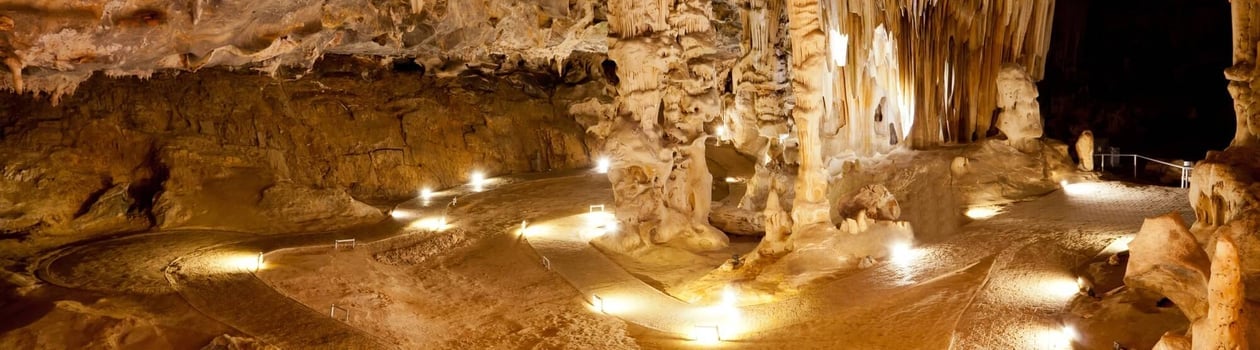
Spending time in the caves can be a standout family outing because it mixes discovery with learning in a way that feels like play. Many caves that welcome the public are “show caves,” meaning routes are designed for visitors and may include stairs, railings, lighting, and interpretive stops. Guides often explain how caves form, why certain rooms are shaped the way they are, and what to look for on the walls and ceilings. For kids, it can feel like stepping into a real-life science museum exhibit that also happens to be a maze of chambers.
A good cave visit starts before the first step underground. Comfortable shoes with decent grip are usually a smarter choice than sandals, because walkways can be damp. Layers matter too. Caves tend to stay cool year-round, and the temperature often feels like a surprise even after a hot day outdoors. A light jacket can make the difference between “interesting” and “I want to leave now.” Visitors who wear glasses may appreciate a small cloth for occasional lens fog. People who prefer to take photos may find low-light conditions tricky, so patience and steady hands help more than flashy equipment.
Cave tours can reveal underground rivers and even include boat or kayak experiences in certain locations. Flowing water in a cave is a reminder that caves are not just empty spaces but active parts of a larger system. That same water often connects to springs and streams aboveground. In karst areas, where the rock dissolves easily, water can travel quickly through cracks and channels, carrying whatever people put on the surface along with it. A guided tour can turn that abstract idea into something tangible: a river that seems to appear from nowhere, a pool that reflects formations like a natural mirror, or a stream that disappears into darkness and keeps going.
For those who want more than a standard tour, many sites offer options at different difficulty levels. An “adventure tour” might include crawling through low passages, climbing over rocks, or using a helmet and headlamp to see beyond the lit trail. That kind of experience can be thrilling, but it is also where following instructions matters most. Caves can be slippery, passages can be tight, and the difference between a fun challenge and a miserable hour is often preparation and listening to the guide.
Observe Wildlife
Depending on the season and the specific cave environment, there are also various kinds of wildlife that can be seen, and that can be a memorable part of the day. Some of the most famous cave residents are bats, which may roost in caves for shelter and, in some cases, for raising young. Bats are also important insect-eaters, and their presence connects caves to the health of surrounding habitats and agriculture.
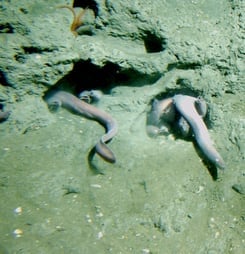
Not all cave life is as easy to spot as bats. Some animals are specially adapted to permanent darkness and are sometimes referred to as “cave obligates,” meaning they spend their whole lives underground. These creatures may have reduced pigmentation, smaller eyes, or heightened senses that help them navigate. Others use caves as temporary shelter or hunting grounds, moving in and out with the seasons. Even if visitors do not see much wildlife, it helps to remember that caves are living spaces, not just scenic backdrops.
Wildlife viewing in caves comes with a responsibility: minimize disturbance. Loud noises, bright flashes, and touching surfaces can stress animals or alter their habitat. Many sites have specific rules about where people can go, what they can bring, and whether photography is allowed in sensitive areas. These rules are not meant to spoil the fun. They protect creatures that already live at the edge of survival, often in environments where food is scarce and change happens slowly.
A particularly important modern concern for caves with bat populations is disease prevention. Some caves and parks implement decontamination practices or restrictions to help reduce the spread of illnesses that affect bats. Visitors can support this effort by following cleaning protocols for shoes and gear and by avoiding moving equipment between caves unless it has been properly cleaned. Even people who do not consider themselves “cavers” can help protect cave ecosystems just by respecting these guidelines.
Appreciate Nature
As you can see, there are lots of reasons to celebrate National Caves and Karst Day and lots of fun to be had with family or friends in doing so. But appreciation goes beyond sightseeing. Caves and karst landscapes are among the best reminders that nature works on different time scales than people do. A thin soda straw formation or a shimmering sheet of flowstone might represent mineral-laden water depositing tiny layers over long stretches of time. When visitors realize how slowly many formations grow, the instinct to treat caves gently starts to make perfect sense.
Karst appreciation also includes the land above the cave. Karst landscapes often feature sinkholes, springs, disappearing streams, and oddly shaped valleys. These features are not random. They are the surface expression of water dissolving certain types of rock, commonly limestone, dolomite, or gypsum. Because water can move quickly through karst systems, they can be especially vulnerable to pollution. That means being thoughtful about litter, chemicals, and runoff is not just “good manners.” It is a practical way to protect aquifers and springs that people and wildlife rely on.
One simple way to deepen appreciation is to learn a few basic cave and karst terms during the visit. Stalactites hang “tight” to the ceiling, stalagmites rise from the ground, and columns form when the two meet. Rimstone dams can create terraced pools, and popcorn-like textures may form where mineral-rich water seeps and evaporates. Learning these names is not about sounding impressive. It helps visitors notice details they might otherwise miss and turns a walk through a cave into a scavenger hunt for natural artistry.
Why Celebrate National Caves and Karst Day
National Caves and Karst Day is about learning more about the diverse and resource-rich caves and karst that can be found across a wide range of landscapes. Caves may contain underground rivers, mineral deposits, and delicate features created by tiny changes in water chemistry. Karst regions can host large springs that pour out clear water, sinkholes that reshape the land, and networks of cracks and conduits that connect surface water to groundwater with surprising speed.
That connection to water is one of the most practical reasons the day matters. In many karst areas, groundwater is stored and transported through complex underground pathways. While that can create beautiful springs and clear streams, it can also make water supplies more vulnerable. Unlike groundwater that filters slowly through sand or soil, karst water can bypass natural filtration and pick up contaminants quickly. Understanding karst helps communities, landowners, and visitors make better choices about waste disposal, land use, and protecting recharge areas.
Caves also serve as natural archives. Sediment layers, mineral deposits, and preserved remains can hold clues about past climates, past ecosystems, and geological events. In some caves, scientists study formations to learn about rainfall patterns long ago. In others, researchers examine fossils and sediments to understand how landscapes evolved. National Caves and Karst Day encourages curiosity about this scientific side of caves without requiring visitors to be experts. A good tour guide can turn a confusing rock wall into a readable story.
Another compelling reason to celebrate is biodiversity. There are species that live only in cave or karst environments, sometimes limited to a single cave system. Because food is limited underground, cave ecosystems can be delicate, and disturbances can have long-lasting effects. Protecting caves protects those species, but it also protects the broader ecological network connected to them.
Taking the time to experience these places firsthand is what the National Caves Association believes more people should do, and National Caves and Karst Day encourages that. It raises awareness and makes it clear to people that caves are there to be safely explored when visitors choose appropriate sites, follow guidance, and respect boundaries. That emphasis on safety is not an afterthought. Caves are not playgrounds in the casual sense, and the safest, most enjoyable experiences usually happen on guided routes designed for visitors.
Many people might not know the educational and awe-inspiring experiences that are relatively close to them, but National Caves and Karst Day helps change that by spotlighting public-facing caves and karst sites. It is another way to spend time in nature, learn how a landscape works, and come away with a new respect for the hidden systems that keep the surface world running.
History of National Caves and Karst Day
National Caves and Karst Day first started in 2017 and has played a part in promoting cave education and responsible visitation in places associated with the National Caves Association. The day was created to draw attention not only to caves as destinations, but to karst as a broader environmental system that shapes water, landforms, and habitats.
One of the defining features of the celebration is the focus on caves that are set up for visitors, often referred to as show caves. These are places where infrastructure and guided interpretation help make the underground world accessible to a wide range of people. That accessibility is important because it lowers the barrier to entry. Someone does not have to own specialized gear or have technical training to experience a cave environment and learn why it matters.
At the same time, the day reinforces the idea that access comes with responsibility. Caves can be damaged by careless touch, off-trail wandering, or removal of rocks and formations. In many caves, a fingerprint can leave oils that interfere with mineral deposition, changing how a formation grows. A small break can erase something that took longer to form than any person’s lifetime. By highlighting education, guided experiences, and stewardship, National Caves and Karst Day promotes a kind of visitation that keeps caves beautiful and scientifically valuable.
As the event has grown, it has also encouraged a wider conversation about what “karst” really means. For some visitors, the word is new. The day helps connect the dots between a fun cave tour and the landscape outside: the sinkhole that looks like a bowl in the field, the spring that feeds a creek, the way rainwater can vanish into the ground and show up somewhere else. When people see those connections, caves stop being isolated attractions and start making sense as part of a living, working environment.
Each year, people take part in National Caves and Karst Day by visiting participating caves, joining special tours when offered, and sharing what they learn with others. The real success of the day is not just foot traffic underground. It is the shift in perspective that happens when someone realizes the ground is not a solid, silent barrier but a complex world of water, stone, life, and time.
Facts About National Caves and Karst Day
Hidden Karst Underlies a Significant Share of Earth’s Surface
Karst landscapes, which form where soluble rocks like limestone and dolomite dissolve, cover an estimated 15 to 20 percent of the Earth’s ice-free land surface and are found on every continent except Antarctica.
In the United States alone, roughly 20 percent of the land is underlain by karst, including large areas of Florida, Kentucky, Tennessee, Missouri, and parts of Texas, making these regions especially prone to caves, springs, and sinkholes.
Karst Aquifers Supply Drinking Water to Hundreds of Millions
Because water can move rapidly through the fractures, conduits, and caves in karst, these rocks form some of the world’s most important aquifers.
The U.S. Geological Survey estimates that about 40 percent of the groundwater used for drinking water in the United States comes from karst aquifers, and globally hundreds of millions of people rely on karst springs and wells, particularly in regions such as southeastern Europe, China, and the Mediterranean.
Cave Formations Record Ancient Climates Like Natural Hard Drives
Speleothems such as stalagmites and stalactites grow when dripping water leaves behind dissolved calcium carbonate, often at rates of only a few tenths of a millimeter per year.
Over thousands to hundreds of thousands of years, variations in their growth layers, oxygen isotopes, and trace elements preserve detailed records of rainfall patterns, temperature, and even monsoon strength, allowing scientists to reconstruct past climates far beyond the reach of modern weather instruments.
Cave Ecosystems Harbor Species Found Nowhere Else on Earth
Many cave-dwelling animals have evolved extreme adaptations to perpetual darkness, including loss of eyes and pigment, enhanced non-visual senses, and very slow metabolisms.
In some well-studied karst regions, more than 90 percent of obligate cave species (known as troglobionts) are endemic to a single cave system or small karst area, making these underground habitats global hotspots of narrowly distributed biodiversity.
Karst Terrain Makes Communities Especially Vulnerable to Pollution
The same fractures and conduits that allow water to move quickly through karst also allow contaminants to spread rapidly and with little natural filtration.
Studies by the U.S. Geological Survey and other agencies show that pesticides, fertilizers, and pathogens can travel miles from the surface into karst springs and wells in a matter of hours or days, which is far faster than in most other aquifers and makes land-use management in karst areas particularly critical.
Humans Have Used Caves as Shelters, Shrines, and Art Galleries for Millennia
Archaeological evidence from sites such as France’s Chauvet and Lascaux Caves, Spain’s Altamira, and Indonesia’s Maros-Pangkep karst shows that people have been using caves for at least tens of thousands of years for habitation, ritual activities, and symbolic art.
Some painted panels and engravings in these caves, which often depict large animals and abstract symbols, have been dated to more than 30,000 years old, offering rare windows into early human culture and cognition.
Sinkholes Are a Natural Expression of Active Karst Beneath Our Feet
Where soluble bedrock dissolves close to the surface, the overlying soil and rock can suddenly collapse, forming sinkholes that sometimes engulf roads, buildings, or ponds.
In states like Florida, Kentucky, and Pennsylvania, thousands of sinkholes have been mapped, and the U.S. Geological Survey notes that more than one-fifth of the contiguous United States is susceptible to sinkhole formation, highlighting the practical importance of understanding local karst geology.
National Caves and Karst Day FAQs
What is a karst landscape and how does it form?
A karst landscape develops where slightly acidic water dissolves soluble rocks, most often limestone, dolomite, or gypsum.
Over thousands to millions of years, rainwater and soil water absorb carbon dioxide to form a weak carbonic acid that seeps into fractures in the rock.
This process enlarges cracks into conduits, caves, sinkholes, and underground drainage networks, creating distinctive features such as disappearing streams, springs, and rugged limestone hills.
Why are karst aquifers so important for drinking water?
Karst aquifers supply drinking water to hundreds of millions of people worldwide because they can store and transmit large volumes of groundwater through their extensive network of fractures, conduits, and caves.
In some regions, especially where surface water is scarce or seasonal, karst aquifers provide the primary or only reliable source of fresh water.
Their high permeability allows rapid recharge, but it also means they are more vulnerable to contamination than many other aquifer types.
What makes cave ecosystems different from surface ecosystems?
Cave ecosystems are shaped by permanent darkness, relatively stable temperatures, and limited nutrients.
Many cave animals have evolved specialized traits such as loss of pigment and eyes, elongated limbs or antennae, and slow metabolism to cope with scarce food and the absence of light.
Energy typically enters caves from the surface through organic debris, groundwater, or bat and bird guano, so cave communities are closely tied to the health of the surrounding landscape above ground.
How do caves help scientists study Earth’s past climate?
Mineral deposits in caves, known as speleothems, grow in thin layers as water drips and leaves behind dissolved minerals such as calcite.
The chemistry and isotopic composition of these layers record information about past rainfall, temperature, and vegetation.
By dating and analyzing speleothems, scientists can reconstruct climate changes over hundreds of thousands of years, often at high resolution, providing key evidence about past monsoons, droughts, and ice age cycles.
Why are karst areas especially vulnerable to pollution?
Karst terrains have thin soils, open fractures, sinkholes, and underground channels that allow water to travel quickly from the surface into the aquifer with little natural filtration.
Contaminants from sources such as agriculture, septic systems, mining, and industrial spills can move rapidly through these pathways and emerge at springs or wells used for drinking water.
Because flow is often fast and difficult to predict, cleaning up pollution in karst is technically challenging and sometimes impossible.
Are sinkholes always a sign that the ground is unsafe to live on?
Sinkholes are natural features in many karst regions, but their presence does not automatically mean an area is unsafe.
Some sinkholes are stable and long‑standing, while others can form or collapse suddenly when natural cavities are enlarged or when human activities alter drainage and groundwater levels.
Land use planning, site investigations, and geotechnical studies are important in karst areas to assess specific risks rather than assuming all sinkholes pose the same hazard.
What basic practices help protect bats and other wildlife when visiting caves?
Responsible cave visitation includes keeping noise and light to a minimum, staying on established paths or tour routes, and never touching or disturbing bats or other animals.
Visitors should avoid entering caves where bats are hibernating or raising young, follow decontamination guidelines to reduce the spread of diseases such as white‑nose syndrome, and refrain from leaving food or trash that could alter cave ecosystems.
Many agencies recommend visiting only managed or permitted caves so that wildlife protection measures are in place and enforced.


You may also like

National Underground America Day
Imagine a day that celebrates life beneath our feet. National Underground America Day honors the 6,000 North Americans who reside not just on the Earth but within it. These unique homes, nestled underground, offer a harmonious blend of innovation and nature. Living underground provides many benefits. The Earth acts as a...

World Wildlife Day
Nature's untamed wonders are always captivating, from the majestic beasts of the savanna to the tiny creatures in your backyard.

Harriet Tubman Day
Harriet Tubman Day is a celebration of courage and freedom. It honors Harriet Tubman’s relentless fight for the freedom of enslaved people. Her bravery and strategic skills helped many escape through the Underground Railroad. She didn't just seek her freedom; she dedicated her life to helping others secure theirs, embodying...

Save the Florida Panther Day
Save the Florida Panther Day is an annual observance that spotlights one of North America’s most elusive big cats and the very real challenges it faces. The Florida panther is a population of cougar that survives in a narrow slice of wild country, where forests, swamps, and open prairies still...
National days and holidays on June 6

Vivid Sydney
Vivid Sydney is a dazzling celebration that transforms the city into a vibrant playground of lights, music, and creativity. For weeks, iconic landmarks and urban spaces glow with stunning light installations and 3D projections, captivating both locals and tourists. This festival draws millions of visitors each year, offering an enchanting...

The Big Lunch
The Big Lunch is a beautiful day filled with community spirit. This annual event is like an enormous block party, where the tantalizing fragrances of home-cooked delicacies mingle with music and laughter. The event means sharing meals. It also means making new - or renewing - heartwarming connections. As...

National Applesauce Cake Day
Celebrate National Applesauce Cake Day with moist, spice-kissed applesauce cake, creative baking, and shared slices that honor a comforting, historic dessert.

National Yo-Yo Day
Celebrate National Yo-Yo Day by exploring tricks, parties, contests, and history that honor this classic toy, its culture, and its surprising global legacy.
Seize Every Day
Join free for personalised recommendations, email reminders and exclusive guides. Never miss a day.