
Pair red striped pants with a green argyle sweater? Sure thing. Put a navy houndstooth skirt on with a brown plaid jacket and purple polka dotted tie? Why not?
When someone’s outfit doesn’t really match on a typical day, it might be because there was a laundry incident or perhaps they got dressed in the dark. But when clothes don’t seem to go together on the fourth Thursday in January? That’s probably on purpose because it’s time to celebrate Clashing Clothes Day!
Clashing Clothes Day Timeline
Introduction of Punk Fashion
The punk movement introduced a rebellious style that embraced clashing elements, such as stripes combined with checks. It marked a departure from conventional fashion, paving the way for more experimental styles.
Artistic Influence in Clashing Fashion
Icon David Bowie showcased clashing clothing in his wardrobe, promoting the freedom of self-expression and creative styling. His influence contributed significantly to mainstream acceptance of non-traditional fashion combinations.
Grunge Fashion and Mismatched Trends
Grunge gained popularity, incorporating mismatched patterns and a carefree fashion attitude. This era further detached fashion from coordinated styles, reinforcing personal choice in attire.
High Fashion Embraces Clashing Patterns
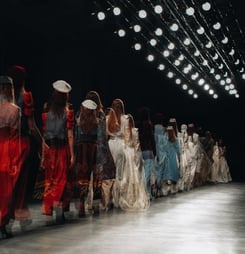
Designers began integrating clashing patterns in haute couture, marking a shift in high fashion’s acceptance of bold and eclectic styles, visible in runway shows globally.
Cultural Shift Towards Individualism in Fashion
The 2010s saw a broad cultural shift favoring personalized, mix-and-match styles. Clothing brands worldwide embraced these individualistic trends, making clashing fashion mainstream.
History of Clashing Clothes Day
Obviously, clothes have been around for thousands of years. Stories about the beginning of clothing usage range from biblical accounts of Adam and Eve covering themselves with leaves, to tales of cavemen wearing pelts made from fur, perhaps in the manner of Fred and Wilma Flintstone.
For much of human history, clothing has simply been used to address function and it wasn’t until a few centuries ago that fashion began to truly make an appearance. As colorful dyes were applied to clothing and patterns woven into fabrics, the ability to match – or clash – became an element of personal taste and popular trends.
Today, many people still like to put together clothes that follow fashion trends and look stylish. But, sometimes, on a silly day in the middle of some dark times, the idea came forth to think outside the box and dress in a way that completely clashes!
Clashing Clothes Day is here to make a mockery out of those people who would lower themselves to actually wear matching and coordinating clothes on this day. And to celebrate the freedom there is to wear absolutely whatever you want!
How to Celebrate Clashing Clothes Day
The fact that Clashing Clothes Day always takes place on a Thursday in January helps to inject some vibrancy and fun on what could be an otherwise boring and bleak winter day. Consider some of these ideas for celebrating this whimsical day:
Dress in Clashing Clothes
Certainly, Clashing Clothes Day can be one of the easiest to participate in. Simply grab those loud pink and green polka dots and pair them with that red and blue paisley print for an audacious and gregarious look. The more clashing, the better, so don’t be afraid to pair the look with a floral scarf and some obnoxiously colorful socks.
Hold a Clashing Clothes Day Contest
One delightful way to celebrate Clashing Clothes Day at work or at school is to host a competition to see who can come up with the most ridiculous clashing clothes in the group. Advertise in advance and give a little time for people to hit the thrift stores or grandma’s closet to find the pieces they need.
On the day, arrange for some unbiased judges to help score the clashing clothes outfits on the basis of different categories such as prints and patterns, clashing colors, or overall creativity. Then offer a little prize for the person who wins. It’s a fun and clashing day for all!
How Clashing Colors Became a Fashion Statement
Clashing Fashion Trends Shift Over Time
Throughout the late 20th century, fashion saw significant shifts that softened traditional matching rules.
Designers in the late 1980s and 1990s embraced bold prints and striking color contrasts, pushing boundaries and setting the stage for today’s acceptance and celebration of clashing styles in mainstream fashion.
Color Psychology and Fashion Choices
Color psychology deeply influences fashion choices, where warm colors, such as red and orange, energize and excite, while cool colors like blue and green offer calmness.
Clashing these colors in attire can create unexpected emotional reactions, adding a layer of psychological depth to personal style.
Embracing Clashing Colors
Color clashing was traditionally avoided, but as fashion evolved, the idea gained popularity. By intentionally clashing colors, wearers can challenge fashion conventions and explore a personal and expressive style.
Fashion as a Form of Expression
Beyond aesthetics, fashion serves as a powerful form of personal expression. Individuals can use clothing to convey identity, mood, and even political statements, with deliberately clashing elements illustrating the breaking of traditional style constraints.
The Rise of Unconventional Fashion
Modern fashion continuously challenges past norms with the popularity of unconventional styles like clashing colors. This trend is part of a broader movement embracing individuality and innovation in fashion, allowing personal creativity to shine.