
Coconut tortes sit in that delicious gray area between cake and pastry: rich like a cake, structured like a layer dessert, and often dressed up enough to look like it belongs in a bakery window.
Add coconut, and things get even more intriguing. Coconut can taste light and tropical, but it also brings fat, texture, and a toasty aroma that makes a dessert feel comforting rather than beachy.
National Coconut Torte Day is a chance to enjoy that very specific combination: the refined, old-world idea of a torte meeting the unmistakable flavor of coconut. It is a celebration for anyone who likes desserts with layers, fillings, and a little drama when the first slice is cut.
National Coconut Torte Day Timeline
Earliest Known Linzer Torte Recipe
A handwritten recipe for Linzer Torte in the Vienna City Library shows an almond pastry with fruit jam, making it one of the oldest documented European tortes.
Coconut Becomes Widely Available in the United States
Mid‑19th Century
Coconut Becomes Widely Available in the United States
Improved shipping and processing allow dried and shredded coconut to be imported regularly, turning coconut into a popular ingredient for American home baking.
Rise of American Layer Cakes
With cheaper sugar and better ovens, American bakers embrace tall, iced layer cakes, setting the stage for elaborate coconut cakes and tortes.
Shredded Coconut Commercially Packaged
Manufacturers begin selling factory‑processed, shredded coconut, making it safe, convenient, and affordable for home cooks to add to cakes and tarts.
Southern Coconut Layer Cake Becomes a Specialty
In the American South, tall white cakes covered in coconut gain a reputation as festive showpieces, often baked for holidays and special gatherings.
Coconut Cakes Popular at Ladies’ Social Gatherings
Community cookbooks and women’s clubs help spread recipes for coconut layer cakes, encouraging home bakers to experiment with richer, torte‑style desserts.
European‑Style Tortes Meet American Coconut Baking
As Central European tortes gain popularity in North America, bakers begin combining nut‑based layers, whipped creams, and coconut to create modern coconut tortes.
History of National Coconut Torte Day
To understand why a coconut torte deserves its own day, it helps to start with the word “torte” itself. “Torte” is the German word for cake, but in baking, it usually signals something more specific than a basic layer cake.
A classic torte tends to be richer and denser, often using ground nuts, fine breadcrumbs, or minimal flour for structure. That difference is more than semantics.
Flour-based cakes typically rely on gluten development and chemical leavening for lift and a tender crumb. Tortes often rely on whipped eggs, nut meals, or carefully handled batters for a tighter, more luxurious bite.
Tortes are also known for their architecture. Multiple layers are common, and those layers are not just for looks. They create opportunities for contrast: a soft sponge against a creamy filling, a thin slick of jam to add brightness, or a nutty base to anchor everything.
Many tortes are finished with whipped cream, buttercream, ganache, or glazes, then decorated with nuts, crumbs, chocolate curls, or fruit. In other words, tortes were built for celebration tables and pastry cases long before anyone thought to dedicate a special day to them.
One of the most famous early tortes is the Linzer Torte, associated with Linz, Austria. Traditionally, it is made from a nut-enriched dough, often featuring almonds or hazelnuts, and filled with a tart jam such as red currant.
It is typically topped with a lattice crust, which gives it a distinctive look and a satisfying mix of soft and crisp textures. The Linzer Torte is frequently described as one of the oldest documented cakes of its kind, and it helped cement the idea of the torte as a European showpiece: layered or filled, rich, and meant to be savored in modest slices.
From those Central and Eastern European roots, the concept of the torte branched out into countless variations. Some versions lean into chocolate and nuts, others use meringue layers, and many incorporate regional ingredients depending on what was available and prized.
That flexibility is important because it explains how coconut, an ingredient associated with warmer climates and global trade routes, eventually found its way into torte territory.
Coconuts have traveled widely for centuries, carried along trade networks that moved spices, textiles, and ingredients across oceans and overland routes. Long before coconut showed up as tidy flakes in a baking aisle, it was valued as a versatile food source.
Coconut offers meat that can be eaten fresh, dried, or ground; milk and cream that enrich sauces and sweets; and oil that adds richness and aroma. Those qualities make it an ideal dessert ingredient even without any romantic “tropical” framing.
The coconut’s name, as commonly told, connects to Portuguese and Spanish explorers who thought the three “eyes” on the shell resembled a face. The Portuguese word “coco” relates to a skull-like or goblin-like face, and that association stuck as the coconut became better known in Europe.
Once coconut was established as a recognizable ingredient, it began appearing in confections and baked goods in forms that worked for European-style kitchens: grated coconut, candied coconut, dried coconut, and eventually desiccated coconut that could be stored and shipped more easily.
Coconut’s dessert appeal is easy to explain in practical baking terms. Coconut brings fat, which carries flavor and makes fillings feel lush. It also brings texture, whether it is chewy shreds, fine desiccated crumbs, or toasted flakes that add crispness.
Even a small amount can perfume a whole cake with a distinctive aroma. That makes coconut an ingredient that can act like both flavoring and garnish, which is exactly what tortes like to be: layered, textured, and finished with visual flair.
Over time, coconut-forward cakes gained popularity in home baking, especially as ingredients became more accessible and as bakers looked for ways to make a simple cake feel special. Many accounts place a rise in coconut cake enthusiasm in the early 20th century, when coconut desserts became a fashionable treat at social gatherings and home entertaining.
Whether served as a tall layer cake or adapted into a denser, more European-style torte format, the coconut cake idea created a natural stepping stone toward coconut tortes: a dessert that could combine refined layering and fillings with coconut’s crowd-pleasing flavor.
A “coconut torte” is not a single rigid recipe. It is more like a category with a common theme. Some coconut tortes use nut-based layers (almond or hazelnut) and add coconut in the filling. Others use thin sponge layers brushed with syrup and filled with coconut pastry cream.
Some incorporate coconut directly into the cake layers using coconut milk, coconut cream, or finely ground coconut for body. Many are finished with coconut flakes pressed onto the sides or piled on top, sometimes toasted for a deeper flavor. In nearly every version, the goal is the same: a dessert that feels indulgent and carefully constructed, with coconut as the star.
National Coconut Torte Day celebrates that meeting point between technique and comfort. Tortes can seem formal, even intimidating, while coconut feels friendly and familiar. Put them together and the result is a dessert that can be elegant without being fussy, and festive without needing a special occasion beyond a love of good baking.
How to Celebrate National Coconut Torte Day
Celebrating National Coconut Torte Day can be as simple as eating a slice, but coconut tortes offer plenty of ways to get hands-on, whether someone enjoys baking from scratch or prefers to leave the mixing bowls to the professionals.
One classic way to celebrate is to make a coconut torte at home. A helpful approach is to think in components, because tortes are usually built rather than stirred together in a single bowl:
- Layers: These might be sponge cake layers, nut-based cake layers, or even thin meringue disks for a crisp contrast.
- Filling: Options include whipped cream stabilized with a little cream cheese, coconut pastry cream, buttercream flavored with coconut, or a custard-like cream.
- Frosting or finish: A smooth coat of buttercream or whipped cream, a simple glaze, or even a light dusting of powdered sugar if the torte is already rich.
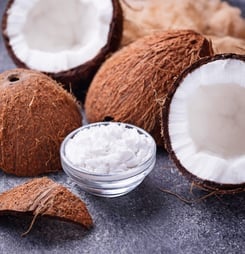
- Coconut element: Sweetened shredded coconut, unsweetened flakes, toasted coconut chips, or coconut cream folded into the filling.
For bakers who want coconut flavor without an overpowering sweetness, unsweetened coconut and coconut milk can help. Toasting coconut is also a small step with a big payoff. Toasting deepens the flavor, adds crunch, and gives the whole dessert a warm, nutty aroma. It also makes a torte look instantly more intentional, like it came from a pastry case.
Those who prefer a more traditional “torte” direction can lean into ground nuts. Almond flour or finely ground almonds pair especially well with coconut because both have a mellow richness.
A layered almond cake with coconut cream filling keeps the dessert dense and elegant, while still tasting approachable.
For people who like bold flavors, adding a thin layer of tart fruit preserves between cake and cream can balance the coconut’s richness. Raspberry, passion fruit, pineapple, and even orange marmalade can add brightness without taking over.
Another approachable option is a “semi-homemade” coconut torte. Tortes are about assembly as much as baking, so using a bakery sponge cake or a simple boxed cake layer can still lead to a beautiful result when paired with a thoughtfully made coconut filling.
A quick coconut filling can be made by whipping cream and folding in toasted coconut, or by using coconut pudding or pastry cream thickened and cooled. The assembly, chilling time, and finish will still give that torte-like feel.
For anyone who wants to skip baking entirely, celebrating can mean ordering a coconut torte from a bakery or dessert shop. Describing what is wanted can help, since “coconut torte” may mean different things in different kitchens.
Asking for a layered cake-style torte with coconut cream filling and coconut on top is usually enough to get close to the spirit of the day. If a shop does not have it regularly, a pre-order request might be an option, especially if the baker already offers coconut cake or cream-filled tortes.
National Coconut Torte Day also works well as a tasting theme. Instead of making one large dessert, it can be fun to try coconut in a few different torte “styles”:
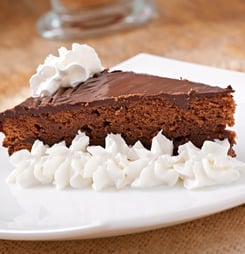
- A chocolate coconut torte, where cocoa layers and coconut filling play off each other like a candy bar in cake form.
- A fruit-and-coconut torte, using a thin layer of jam or curd to add brightness.
- A nut-and-coconut torte, where almond or hazelnut layers emphasize the “torte” tradition.
- A chilled coconut cream torte, which leans into creamy textures and can be especially refreshing after a meal.
Sharing the celebration is part of the fun, too. Coconut tortes tend to be photogenic: snowy coconut tops, clean layers, and a satisfying wedge-shaped slice. Posting a homemade attempt, a bakery find, or even a coconut-toasting success story fits the spirit of the day.
Using the hashtag #coconuttorteday helps other dessert fans find inspiration and compare notes on fillings, frostings, and the best way to keep coconut where it belongs: on the cake, not all over the kitchen floor.
For a more social celebration without complicated planning, a coconut torte swap can be a quirky twist. One person brings a coconut-forward dessert in torte form, another brings a different torte flavor, and everyone compares textures and styles.
That side-by-side tasting highlights what makes coconut unique: it can be soft, crunchy, subtle, or bold depending on how it is used.
Finally, celebrating can include learning what makes a good torte slice. Tortes are typically richer than standard cake, so smaller slices make sense. Serving unsweetened coffee or tea can keep the experience balanced.
If the torte is heavily frosted or very sweet, a garnish of fresh fruit can add contrast. Even a small detail, like lightly salting toasted coconut before using it as a topping, can sharpen flavors and make the dessert taste more “bakery-level” without extra sweetness.
National Coconut Torte Day is ultimately a permission slip to enjoy a dessert that is both crafted and comforting: layers that feel special, coconut that feels familiar, and a slice that disappears faster than anyone expects.
National Coconut Torte Day Facts
Light, rich, and unmistakably tropical, coconut torte brings together delicate texture and deep flavor in every slice.
These facts highlight the climate behind the coconut’s journey, the innovations that made it a baking staple, and the science that gives this flourless-style dessert its signature structure and tenderness.
Coconut Palms Thrive in a Narrow Tropical “Coconut Belt”
Coconut palms grow best in a hot, humid band roughly between 20 degrees north and south of the equator, where annual rainfall is high, and temperatures rarely drop below 70°F.
The Food and Agriculture Organization notes that Indonesia, the Philippines, and India dominate global production, reflecting how tightly the crop is tied to this tropical “coconut belt,” while attempts to grow coconuts at higher latitudes often struggle with cold damage and poor yields.
Desiccated Coconut Was a 19th‑Century Processing Breakthrough
The dry, grated coconut used in baking is a relatively modern invention.
By the late 1800s, processors in places like Sri Lanka and the Caribbean were steaming and drying shredded kernel to create desiccated coconut, which traveled and stored far better than fresh nuts.
This innovation helped coconut move from being an exotic curiosity to a common ingredient in European and North American cakes and candies.
Ground Nuts Let Flourless Tortes Stay Tender Yet Dense
Classic European nut tortes rely on finely ground almonds, hazelnuts, or walnuts in place of most or all wheat flour.
Food science research on nut‑enriched batters shows that nut particles interfere with gluten formation while contributing fat and protein.
Hence, the cake sets through egg proteins rather than gluten networks.
The result is a structure that is firm and sliceable, yet remains moist, rich, and slightly chewy, rather than fluffy.
Whipped Egg Whites Act as the “Leavening” in Many Tortes
Many tortes, including flourless and nut‑based versions, depend on whipped egg whites rather than chemical leaveners to rise.
When egg whites are beaten, their proteins unfold and trap air bubbles that expand in the oven.
Studies on foam‑based cakes show that gentle folding and immediate baking are critical; overmixing or delay collapses the fragile foam, producing a dense, heavy torte instead of the desired light but rich texture.
Coconut Milk and Cream Behave Differently From Dairy in Baking
Coconut milk is an oil‑in‑water emulsion that lacks dairy proteins, so it cannot form the same gluten‑interacting or foaming structures as cow’s milk.
Food technologists have found that high levels of coconut milk or cream increase tenderness and richness but can weaken the cake crumb unless balanced with eggs or starch.
This is why many coconut tortes combine coconut milk or cream with egg‑heavy batters rather than using coconut liquid as a straight milk substitute.
Coconuts Are Botanically Drupes, Not True Nuts
Despite the name, a coconut is not a true botanical nut.
Botanists classify it as a fibrous one‑seeded drupe, in the same broad category as peaches and olives, with a hard inner shell (endocarp) surrounding the seed and a thick fibrous husk (mesocarp).
The misnomer persists in everyday language and on ingredient labels, which can matter for allergy labeling, since coconut behaves differently from tree nuts in many individuals.
Coconut Sugar Alters Color and Flavor in Cakes and Tarts
Some modern coconut desserts use coconut sugar, which is made from the sap of the coconut flower rather than the flesh of the nut.
Analyses show that coconut sugar contains more minerals and more complex caramel flavors than refined white sugar, but it also has natural color and Maillard‑reactive compounds that darken batters.
In a pale coconut torte, swapping in coconut sugar can shift the crumb toward a tan or light brown and add a toffee‑like taste.