Dribble to Work Day
Navigating the urban landscape, the rhythmic bounce echoing determination, a daily prelude to the challenges that lie ahead, a quiet salute to resilience.
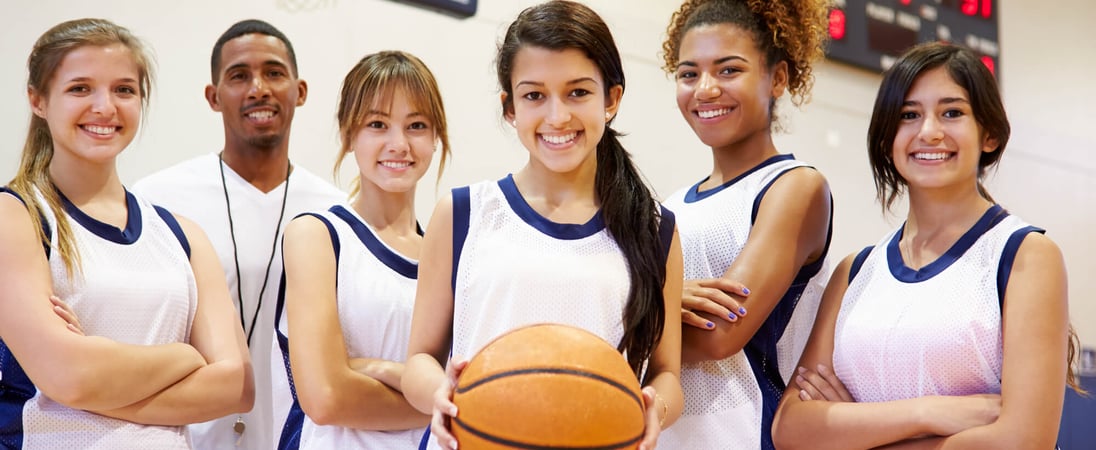
As part of advertising for the NCAA Women’s Basketball, people across the country dribble to work in preparation for the announcement of the teams that will make it into the NCAA Tournament.
Fans of basketball take their dribble skills to the test and dribble their way to work. People post videos online and have a good time with friends and all of this leads up to the hype for support of your favorite teams as they reach for the finals.
In honor of this day, let’s all grab a basketball and learn about the history of Dribble to Work Day!
Dribble to Work Day Timeline
1891
Invention of Basketball
James Naismith creates the game of basketball in Springfield, Massachusetts, with original rules that do not yet include continuous dribbling as a central skill.
1896
Early Women’s Basketball Game
One of the first documented women’s basketball games is played between Stanford and the University of California, helping establish the sport among women on college campuses.
1901
Dribbling Enters Formal Basketball Rules
Rule changes at the start of the 20th century codify the modern dribble, allowing players to bounce the ball while moving and transforming how the game is played.
1899–1901
Senda Berenson Adapts Basketball for Women
At Smith College, physical educator Senda Berenson modifies Naismith’s rules to make the game socially acceptable for women and becomes known as the “Mother of Women’s Basketball.”
1972
Title IX Spurs Growth of Women’s College Sports
The passage of Title IX in the United States leads to a surge in opportunities and funding for women’s athletics, including college basketball programs nationwide.
1982
First NCAA Women’s Basketball Championship
The NCAA holds its first Division I Women’s Basketball Tournament, bringing women’s college basketball under the same governing body as men’s and elevating national attention to the women’s game.
1994
Women’s Final Four Becomes a Standalone Event
By the mid‑1990s the NCAA Women’s Final Four is marketed as its own marquee championship weekend, setting the stage for later fan-engagement campaigns around selection shows and tournament play.
History of Dribble to Work Day
Dribble to Work Day started as an anticipated event advertised by the NCAA Women’s Basketball League to ramp up excitement for “Selection Monday”, where judges reveal their selections for the top four women’s college basketball teams to make the cut for the NCAA Women’s Final Four basketball tournament.
This holiday, organized by the Tampa Bay Local Organizing Committee and the Tampa Bay Sports Commission back in 2015, has had people all over post on their social media videos of them “dribbling” to work in excitement.
During that year, the hashtag #WFFDribble was used, and the person with the most creative video was selected by the Local Organizing Committee to take their first shot at the NCAA Women’s Final Four court at Amalie Arena.
According to The Business of Sports, the first year of this holiday proved to be successful, as this day had active coverage by three local television stations, nearly 700 social media posts using #WFFDribble, and resulted in nearly 5 million social media impressions.
This holiday has since been running for the past few years, as the NCAA tracks the progress of the women’s basketball teams in their goal to make it to the finals. Each year depends upon these teams, as locations for the NCAA Women’s Final Four differ each year.
How to Celebrate Dribble to Work Day
If you love playing basketball and find going to work boring, then why not dribble to work? You can dribble on the sidewalk, across the street, to the subway, to the bus station, anywhere!
As long as you’re going to work, then why not have fun while going there? You can do this any day to keep up the exercise, but this day is just an excuse to go out and have fun with a basketball.
So, show your support for women’s basketball by practicing your dribbling, or just dribble for fun. If you don’t have a basketball, then buy one, because how else would you dribble?
Facts About Dribble to Work Day
Early Women’s Basketball Once Banned Dribbling
In the early 1900s, women’s basketball rules were so restrictive that dribbling was actually eliminated for several seasons; by 1913, it was reintroduced but players were allowed only a single, knee‑high bounce before they had to pass or shoot.
These limits reflected contemporary fears that vigorous movement like continuous dribbling was “too strenuous” for women and shaped a slower, more stationary style of play that lasted for decades.
Title IX Triggered an Explosion in Girls’ and Women’s Basketball
After Title IX was passed in 1972, participation in U.S. girls’ high school sports rose from about 294,000 in 1971–72 to more than 3.2 million by 2019, with basketball consistently among the most popular sports.
At the college level, the number of women competing in NCAA championship sports increased from under 30,000 in 1972 to more than 215,000 by 2020, fundamentally transforming the depth and visibility of women’s basketball programs.
The NCAA Women’s Tournament Went From 12 Teams to a National Phenomenon
When the NCAA first sponsored a Division I women’s basketball championship in 1982, the tournament field included just 32 teams and was played in relative obscurity compared with the men’s event.
Over time the field expanded to 64 and then 68 teams, television coverage grew, and by the 2020s the women’s Final Four regularly drew sellout crowds and record-breaking national TV audiences, signaling a major shift in fan engagement with women’s basketball.
Active Commuting Can Meaningfully Cut Health Risks
Research comparing people who commute actively, such as by walking or cycling, with those who travel by car has found significantly lower risks of cardiovascular disease, some cancers, and all-cause mortality among active commuters.
A large cohort study in the United Kingdom reported that cycling to work was associated with a roughly 40 percent lower risk of dying from cardiovascular causes, suggesting that even routine, moderate-intensity movement built into the daily commute can have substantial long-term health benefits.
Basketball Dribbling Is a Complex Neuromuscular Skill
Biomechanics studies of basketball dribbling show that players coordinate rapid, cyclical movements of the shoulder, elbow, wrist, and fingers to control ball rebound height while adjusting to speed and surface changes.
Skilled dribblers typically keep the ball’s peak height near their hip, use greater wrist flexion–extension, and rely on finely tuned timing between muscle activation and ground contact to maintain control without constantly watching the ball.
Women’s Basketball Rules Gradually Converged With the Men’s Game
For much of the 20th century, women played under “modified” rules that limited running and court coverage, including six-player formats where only certain players could cross the center line.
As attitudes about women’s physical capabilities changed, these restrictions were phased out, and by the 1970s most levels of women’s basketball in the United States had adopted a full-court, five‑on‑five game similar to the men’s, helping produce faster play and a greater emphasis on ball-handling skills like dribbling.
The Women’s Basketball Final Four Drives Significant Economic Impact
Host cities for the NCAA Women’s Final Four routinely report tens of millions of dollars in visitor spending from ticket sales, hotels, restaurants, and related activities tied to the event.
For example, NCAA-commissioned economic impact studies have shown that the women’s Final Four can bring in more than $20–25 million to a local economy over a single long weekend, underscoring how elite women’s basketball has become a major driver of sports tourism and regional promotion.
Dribble to Work Day FAQs
Is dribbling a basketball on the way to work actually good exercise?
Dribbling a basketball while walking can contribute to daily physical activity because it encourages people to move more and break up sedentary time.
Public health guidance notes that walking at a brisk pace is a form of moderate-intensity aerobic activity, and even shorter, regular bouts of movement during the day can help improve cardiovascular health, support weight management, and reduce the risk of chronic diseases when combined with other routine activity.
What coordination and balance skills does basketball dribbling build in adults?
Basketball dribbling requires continuous hand-eye coordination, timing, and body control, which can help improve reaction time and dynamic balance.
Research on team ball sports shows that repeated practice of ball-handling and movement patterns enhances neuromuscular control, agility, and the ability to maintain stability while changing direction, skills that can carry over to everyday movements such as turning, stepping around obstacles, and recovering from small stumbles.
Can short sports-style movement breaks during a workday really improve performance?
Evidence from occupational health and psychology research indicates that brief activity breaks during the workday, such as a few minutes of walking or light movement, are linked with better mood, reduced stress, and improved cognitive functioning.
Studies on work breaks report that stepping away from tasks to move intermittently can help restore attention, lessen fatigue, and support sustained performance across the day.
Are there safety or legal issues with dribbling a basketball on sidewalks or near traffic?
Safety agencies advise that pedestrians keep their full attention on traffic, obey signals, and avoid distractions when walking near roads, regardless of whether they are carrying or using sports equipment.
Local ordinances may restrict ball play in streets or certain public areas, so people are encouraged to check city rules, stay out of traffic lanes, and be careful not to block or trip other sidewalk users to reduce the risk of falls or collisions.
How can light activity during commuting help offset a sedentary workday?
Health authorities report that adults who spend long periods sitting benefit from adding movement throughout the day, including during travel to and from work.
Walking for part of a commute, using stairs, or adding other simple movements contributes to weekly activity totals and can help lower blood pressure, improve insulin sensitivity, and reduce the health risks associated with prolonged sitting.
Can adults who are not athletic start using basketball for gentle exercise?
Adults without a sports background can use basic basketball activities, such as light dribbling or casual shooting, as a form of moderate physical activity if they start gradually and listen to their bodies.
Public health recommendations emphasize choosing enjoyable movements, wearing supportive footwear, increasing intensity slowly, and aiming for regular activity across the week to gain cardiovascular and mental health benefits while reducing the chance of overuse injuries.
Do movement breaks that involve play or games offer different benefits than simple walking?
Programs that introduce “booster breaks” or playful group activities at work report benefits that include stress reduction, enjoyment, and social connection in addition to physical movement.
Research on these structured movement breaks suggests they can increase health awareness, support behavior change toward more active lifestyles, and improve morale, which may make people more likely to keep up regular activity than with solitary walking alone.
Also on ...
View all holidays

National Pi Day
An exciting day for math enthusiasts, celebrate this famous number — it's the ratio of the circumference of a circle to its diameter — with infinite enthusiasm and endless fun!

International Day of Mathematics
Whether you're designing a skyscraper, or simply counting up your spare change, a strong foundation in mathematics is essential.

We think you may also like...
National Tennis Pro Day
In the world of tennis, a select few possess an unparalleled mastery — their skills and dedication truly remarkable.


National Soccer Day
The beautiful game — a global passion, where players display skill, teamwork, and unbridled enthusiasm for scoring goals.