Galentine’s Day
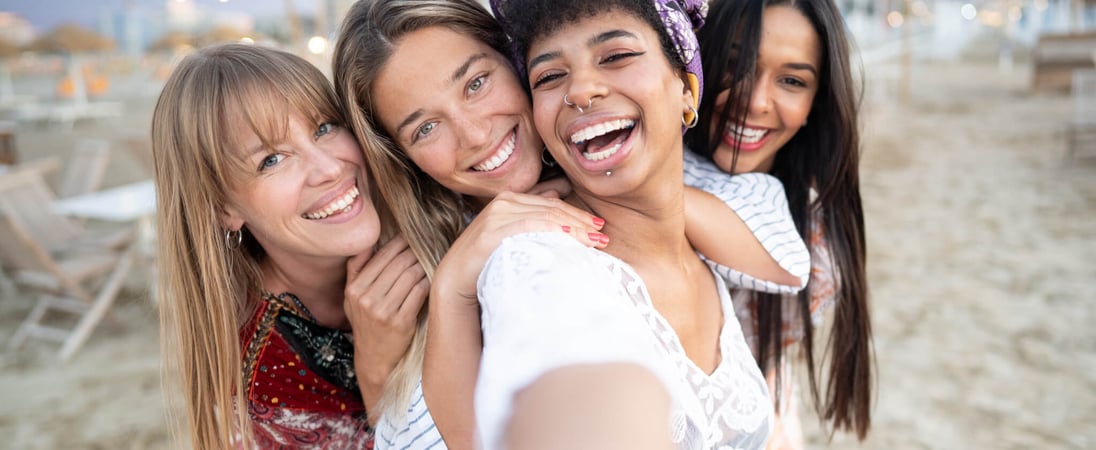
Gather for brunch, exchange gifts, and show appreciation for the love and laughter your gal pals bring to your life.
Every February 13, my lady friends and I leave our husbands and our boyfriends at home and we just come and kick it, breakfast style. Ladies celebrating ladies.
Leslie Knope, Parks & Recreation
How to Celebrate Galentine’s Day
This day offers a ton of delightful and special ways for women to celebrate the other women friends in their lives. Enjoy Galentine’s Day by celebrating some of these ideas:
Host a Galentine’s Day Party
Get the girls together for a fun evening. Start out at home and provide some delightful hors d’oeuvres and a few bottles of wine. For activities, plan a beauty swap, enjoy some fondue, make some fancy pink drinks, and perhaps even give some personalized goodie bags!
When inviting the girls over, encourage them to dress up in celebration of the day. In fact, suggest a dress code so everyone wears a similar color palette, allowing for the best photo and social media opportunities!
Encourage everyone to wear combinations of red and pink as a nod to Valentine’s day following the next day. Or, for something sophisticated, ask everyone to dress in off-white and beige tones. It’ll be fun to get super cute pictures with the gals that will bring delight all year through!
Plan a Pampering Day
With a group of girlfriends, plan a time of delightful pampering for Galentine’s Day. Start out with waffles and mimosas for brunch, make an appointment for mani-pedis, or head out to the spa for some well-deserved massages.
Light some candles, whip up some face masks, put some favorite rom-coms on and just spend the evening laughing and enjoying each other’s company.
Enjoy a Paint and Sip Night
Always a fun activity when the girls get together, have fun being creative and enjoying some drinks. Book a space for the event, or gather the needed materials and host a little party for wine and painting at home.
Just a few canvases, some paints and brushes will make the evening a success. And don’t forget the wine, of course!
Galentine’s Day Timeline
385–322 BCE
Aristotle on Friendship as a Virtue
In the Nicomachean Ethics, Aristotle analyzes friendship (philia) as essential to a good life, distinguishing friendships of utility, pleasure, and virtue and stressing mutual goodwill—ideas later applied to same‑gender and women’s friendships.[1]
1405
Christine de Pizan Imagines a City of Ladies
In The Book of the City of Ladies, Christine de Pizan depicts an allegorical community built by and for women, defending women’s capacities and affirming the value of women’s mutual support and intellectual companionship.[2]
1868
Women’s Club Movement Takes Shape with Sorosis
Journalist Jane Cunningham Croly helps found Sorosis in New York City after women are barred from a press club event, creating one of the first permanent women’s clubs devoted to education, reform, and social fellowship among women.
1890
General Federation of Women’s Clubs Unites Local Groups
Delegates from women’s clubs across the United States form the General Federation of Women’s Clubs, coordinating civic work while fostering broad networks of women’s friendship, mentoring, and cross‑community solidarity.[3]
1998
Sex and the City Centers Female Friendship on Television
History of Galentine’s Day
In an effort to make the most of female friendships, instead of setting them aside when a romantic partner comes along, Galentine’s day was established.
One fun fact about the way Galentine’s Day started is that it was created by a fictional character! Leslie Knope of the show Parks and Recreation, seems to have started the day when season 2 episode “Galentine’s Day” aired in 2010.
As pop culture often does, Galentine’s Day caught on and grew quickly, to include women all over the world who want to hang out with and celebrate their female friends.
Instead of only spending the month of February focused on romantic love, Galentine’s Day allows for some balance in making sure women pay attention to everyone they love, not just a romantic partner.
A combination of ‘Gals’ and ‘Valentine’s Day’, Galentine’s Day provides an opportunity for the women of the world to hang out together and celebrate their friends and gal-pals!
Facts About Galentine’s Day
Galentine’s Day highlights the importance of friendship and the role it plays in emotional well-being, connection, and everyday support. Often celebrated on February 13, it focuses on platonic relationships rather than romance, recognizing that close friends can provide encouragement, stability, and a strong sense of belonging throughout different stages of life.
-
Female Friendships Can Buffer Stress as Strongly as Romantic Partners
Long‑term studies in social psychology show that close friendships—even more than casual acquaintances—are strongly linked to lower stress, better mood, and reduced risk of depression, with women in particular reporting that confidante friendships provide emotional support comparable to or greater than that from romantic partners. Researchers find that women more often use “tend‑and‑befriend” coping, turning to trusted female friends under stress, which is associated with lower cortisol levels and better psychological resilience over time.
-
“Chosen Family” Networks Are a Lifeline for Many LGBTQ+ People
Sociological and public‑health research has documented that LGBTQ+ people frequently construct “chosen families” of close friends who provide the acceptance, emotional support, and practical help they may not receive from relatives, and that these friendship networks are associated with better mental health and lower feelings of isolation. In some studies, LGBTQ+ adults who report strong chosen‑family ties show fewer suicide attempts and depressive symptoms than those who lack this kind of supportive friendship circle.
-
Women’s Friendship Circles Have Deep Historical Roots
Historians have traced women‑only social and support circles back centuries, from 19th‑century American women’s literary and reform clubs to informal sewing circles that doubled as spaces for mutual aid and political organizing. These groups not only offered companionship but also became crucial sites where women shared information, coordinated charity work, and quietly advanced causes such as abolition, suffrage, and education reform.
-
Strong Friendships Are Linked to Longer, Healthier Lives
Large epidemiological studies have found that people with robust social ties—including close friends, not just family—have significantly lower risks of early death, on par with or greater than the benefits of exercising or quitting smoking. One widely cited meta‑analysis of 148 studies concluded that strong social relationships improve survival odds by about 50 percent, underscoring how maintaining close friendships is not just emotionally rewarding but biologically protective.
-
Female Professional Networks Can Accelerate Career Advancement
Research on workplace dynamics indicates that women who build strong inner‑circle networks with other women—particularly those connected to influential colleagues—are more likely to land leadership roles than equally qualified peers without such ties. A study of MBA graduates found that women who combined broad professional contacts with a close, trusted group of female peers in their industry achieved higher‑level positions and greater pay within a few years of graduation.
-
Brunch Evolved into a Social Ritual Long Before It Became Feminized
Brunch originated in late‑19th‑century Britain as a leisurely weekend meal for upper‑class men returning from hunting, but by the mid‑20th century in North America, it had shifted into a mixed‑gender, urban social ritual. As more women entered the workforce in the 1960s–1980s, weekend brunch became a convenient way for friends—especially women juggling work and family—to carve out unrushed time together, cementing its modern reputation as a relaxed setting for intimate conversation.
-
Friendship May Protect Brain Health as People Age
Gerontology and neuroscience studies suggest that older adults who maintain close friendships and regularly socialize show slower cognitive decline and lower rates of dementia than socially isolated peers, even after controlling for education and physical health. Frequent meaningful contact with friends appears to stimulate brain regions involved in memory, language, and emotional regulation, helping preserve mental sharpness later in life.
Galentine’s Day FAQs
How do LGBTQ+ communities celebrate Galentine’s Day?
Galentine’s Day has become a popular celebration within LGBTQ+ communities, focusing on friendship and chosen family.
Many LGBTQ+ groups hold events like “Friendsgiving-style” dinners or small gatherings with games and movies to celebrate their supportive circles.
Drag shows, karaoke, and dance parties have also become part of the festivities, often featuring LGBTQ+ icons or themed costumes.
This inclusive approach transforms Galentine’s Day into a celebration of all kinds of friendship and support networks, not just those traditionally defined by gender.
Are there any similar holidays celebrating friendship?
Yes, similar holidays exist globally. For example, Finland celebrates “Ystävänpäivä,” or Friendship Day, on February 14.
In Latin America, “Día del Amor y la Amistad” (Day of Love and Friendship) combines friendship and love celebrations. Japan also dedicates a day to friendship called “Tomodachi Day.”
These holidays emphasize friendship over romance, making them similar in spirit to Galentine’s Day.
Are there any Galentine’s Day myths or misconceptions?
One common misconception is that Galentine’s Day is only for women.
While the holiday was initially designed by Parks and Recreation as a women-centric celebration, many now celebrate it with friends of any gender. It’s also not solely about brunch.
People now mark the day with a variety of activities, including movie nights, cooking classes, and outdoor adventures.
How do people creatively celebrate Galentine’s Day around the world?
In Japan, Galentine’s Day gatherings often involve tea ceremonies or traditional cooking classes.
In France, women may gather for “les amies” parties, featuring wine and charcuterie. Some Australian friends organize beach picnics, bringing a relaxed summer vibe.
Each country adapts it to local customs, making it an international friendship day.
What are some quirky Galentine’s Day traditions inspired by TV shows?
Some Parks and Recreation fans try to recreate Leslie Knope’s quirky traditions, like giving personalized, handmade gifts or even waffles (Leslie’s favorite).
Others hold themed parties based on other popular friendship-focused shows, like Friends or Golden Girls. Fans often go all out with decorations and custom playlists to bring their favorite friendships to life.
What types of food are commonly associated with Galentine’s Day?
Brunch foods like waffles, frittatas, and mimosas are popular because of Leslie Knope’s love for them on Parks and Recreation.
However, people are increasingly adding their own cultural favorites. Some may include sushi, tapas, or even an elaborate charcuterie board.
Each friend group adds personal touches to make the meal feel special and unique.
Why are waffles linked to Galentine’s Day?
Waffles became the unofficial food of Galentine’s Day thanks to Parks and Recreation’s Leslie Knope, who adores them. In the Galentine’s Day episode, she celebrates with her friends over a waffle brunch.
Since then, waffles have symbolized the holiday. Today, people often make themed waffles with unique toppings like chocolate, fruit, or whipped cream to fit the occasion.
Has Galentine’s Day inspired other friendship celebrations?
Yes, it has sparked a trend of celebrating “Palentine’s Day” and “Brolentine’s Day” for friendships regardless of gender.
These variations adapt Galentine’s Day’s idea of honoring friendships, but without the original female focus. Friends celebrate with activities like sports games, road trips, or shared meals.
Why do some people see Galentine’s Day as an empowering celebration?
Galentine’s Day offers a fun way to focus on non-romantic relationships, reminding people of the value of friendships.
For many, it’s an empowering holiday because it highlights female friendship and support.
With increasing focus on mental health, celebrating strong friendships has become more popular and is now considered as important as celebrating romantic relationships.
Are there any unique Galentine’s Day gifts?
Many friends give “Galentine’s Day Survival Kits” containing self-care items like face masks, chocolates, and candles.
Others create personalized gift boxes with custom mugs, friendship bracelets, or memory scrapbooks. In some cases, friends even exchange services, like offering a night of babysitting or planning a future friend getaway.
Also on ...
View all holidays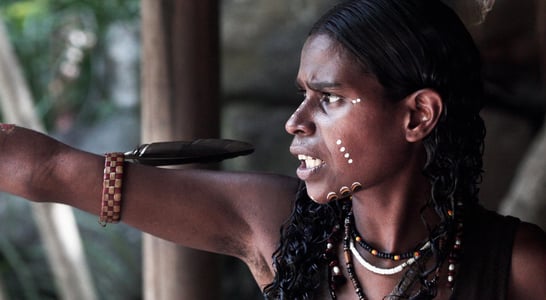
National Apology Day
A dark chapter of Australia's history where Indigenous children were taken from their families and adopted out to non-Indigenous families.
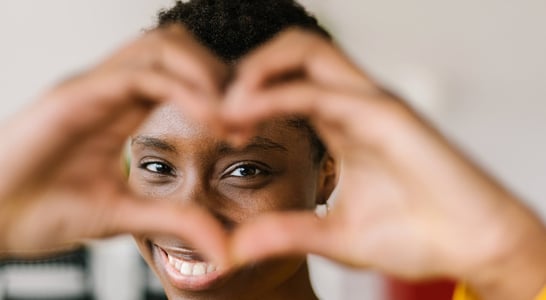
Black Love Day
Recognizing and respecting the invaluable contributions and diverse voices within a vibrant and dynamic cultural tapestry.

World Radio Day
More than just a blast from the past, radios are a window to the world with music, news, and talk shows to keep you informed and entertained.
We think you may also like...

Wife Appreciation Day
When you show appreciation for your wife, it communicates that you see and value her. It strengthens your bond and fosters a positive relationship.
Valentine’s Day
A day filled with love, romance and sweet gestures — the perfect opportunity to show affection towards those special people in your life.

National Couple’s Day
When two people come together, they create a unique bond that can conquer any challenge, adventure, or romantic moment.