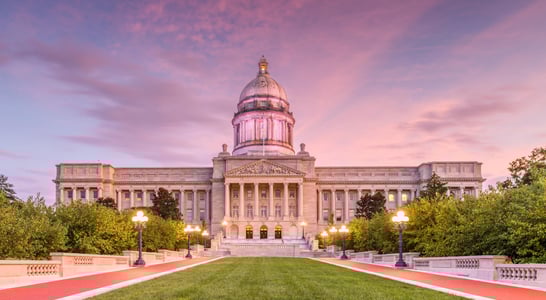
Georgia Day
Georgia Day celebrates the founding of the state of Georgia, honoring its rich history and cultural significance.
This special day marks the arrival of the first colonists led by James Oglethorpe in 1733. It’s a time for Georgians to reflect on their state’s contributions to American history, from its pivotal role in the Civil Rights Movement to its diverse cultural heritage.
People celebrate Georgia Day for various reasons. It acknowledges Georgia’s unique history as the last of the original 13 colonies and its journey from colonial times to becoming a significant state in the union.
The day also highlights Georgia’s impact on the nation’s development, including its economic growth and cultural influence.
Celebrations often include educational programs and community events that foster a deeper appreciation for the state’s legacy. The importance of Georgia Day extends beyond historical remembrance. It serves as a reminder of the state’s ongoing contributions to the nation.
Whether through its vibrant cultural scene, historical landmarks, or the achievements of notable figures like Martin Luther King Jr., Georgia continues to play a crucial role in shaping America’s identity. This day encourages residents and visitors alike to explore and honor the rich tapestry of Georgia’s past and present.
How to Celebrate Georgia Day
Discover Georgia’s History
Georgia Day is perfect for exploring local history. Visit museums, historic sites, and monuments. Discover fascinating stories and artifacts.
Feel connected to the past while walking through Savannah’s charming streets.
Tasty Peach Treats
Celebrate Georgia Day with delicious peach-themed treats! Bake a peach pie or enjoy fresh peaches. Host a peach-tasting party with friends. Sweet, juicy fun awaits everyone.
Artistic Creations
Unleash creativity with Georgia-inspired art projects. Paint scenes of Savannah or draw famous Georgian landmarks. Organize a community art show.
Express love for Georgia through vibrant colors and unique designs.
Historical Dress-Up
Host a historical dress-up party. Encourage guests to wear outfits from different periods in Georgia’s history. Add fun by organizing a costume contest.
Capture memorable moments with lots of photos.
Georgia Trivia Night
Test knowledge with a Georgia-themed trivia night. Prepare questions about the state’s history, culture, and famous people. Invite friends and family to join. Offer prizes for the trivia champs.
Georgia Day Timeline
1732
Royal Charter Establishes the Province of Georgia
King George II grants a charter to James Oglethorpe and trustees, creating Georgia as a philanthropic “buffer” colony with limits on landholding and a ban on slavery and rum.[1]
1733
Savannah Founded at Yamacraw Bluff
James Oglethorpe and the first English colonists land at Yamacraw Bluff and found Savannah, Georgia’s first city and colonial capital, under a town plan that became a model of urban design.[2]
1752
Georgia Becomes a Royal Colony
After two decades of trustee rule, Georgia’s charter is surrendered, and the colony comes under direct royal control, opening the way for large plantations and the full legalization and expansion of slavery.[3]
1777
First Georgia State Constitution Adopted
In the midst of the American Revolution, Georgia’s revolutionary government adopts a state constitution creating a unicameral legislature and broad (for its time) white male suffrage, replacing royal authority.
1788
Georgia Ratifies the U.S. Constitution
On January 2, Georgia becomes the fourth state to ratify the U.S. Constitution, seeking protection from Native nations and foreign powers while helping shape the new federal union.
1864
Sherman’s March to the Sea Devastates Georgia
Following the fall of Atlanta, Union General William T. Sherman leads a destructive campaign from Atlanta to Savannah, crippling Georgia’s infrastructure and plantation economy and hastening Confederate defeat.[4]
History of Georgia Day
Georgia Day commemorates the founding of the state by James Oglethorpe in 1733. He and his group of settlers arrived and established the city of Savannah, marking the beginning of the Georgia colony. This event is significant as Georgia was the last of the original 13 American colonies.
The General Assembly of Georgia declared Georgia Day an official celebration in 1981. This decision aimed to honor the state’s rich history and contributions to the nation. Since then, the day has grown in importance and recognition.
Each year, residents celebrate Georgia Day through various activities. Schools often host educational programs, while communities organize events and historical reenactments.
These activities help people appreciate Georgia’s role in American history and culture. Celebrating this day reminds everyone of the state’s unique journey from its colonial beginnings to its present-day significance.
Facts About Georgia’s Colonial Foundations
Georgia’s early history is a story of bold experiments, strategic planning, and constant adaptation. Founded in the 1730s, the colony was shaped by ambitious economic ideas, strict social rules, and its role as a defensive buffer in the contested American Southeast.
From failed silk production and early bans on slavery to fragile diplomacy with Indigenous nations, Georgia’s colonial years reveal how vision, geography, and politics combined to shape the state’s identity long before it became an economic powerhouse.
-
Silk Dreams in the Georgia Colony
In the 1730s and 1740s, colonial Georgia’s trustees tried to build an economy on silk production, recruiting Italian experts and requiring some settlers to plant mulberry trees for silkworms; although small quantities of Georgia silk were even presented to King George II, the humid climate, plant diseases, and labor shortages meant the industry never became profitable and was largely abandoned by mid‑century.
-
Georgia as a Human Buffer Zone
One of the chief strategic purposes of establishing Georgia was to serve as a “buffer colony” between British South Carolina and Spanish Florida, leading the trustees to encourage settlement by tough frontiersmen such as Scottish Highlanders at places like Darien to form a human shield against Spanish and Indigenous attacks in the contested Southeast.
-
From Slavery Ban to Plantation Powerhouse
During the early “Trustee period” (1730s–1750s), Georgia uniquely banned slavery and limited landholdings to discourage a plantation aristocracy, but colonists argued these rules made them uncompetitive with South Carolina; by 1750–1751, the bans were lifted, and Georgia rapidly transformed into a slave-based rice and cotton plantation society.
-
Diplomacy with the Creek World
Early Georgia’s survival depended heavily on diplomacy with the Creek (Muscogee) Confederacy: James Oglethorpe cultivated alliances with leaders such as Tomochichi, negotiated land cessions around Savannah, and used gift-giving and trade to secure Georgia’s southern frontier within an Indigenous-controlled interior.
-
Atlanta’s Student-Led Sit-Ins
In 1960, Atlanta’s status as a civil rights hub was cemented when students from the Atlanta University Center, led by Lonnie King and others, launched coordinated sit-ins at segregated lunch counters and other public accommodations; their “An Appeal for Human Rights” manifesto drew national attention and helped push local desegregation efforts forward.
-
The Albany Movement’s Sobering Lessons
The Albany Movement of 1961–1962 in southwest Georgia brought national civil rights leaders, including Martin Luther King Jr., to challenge segregation across an entire city, but local officials used mass arrests—jailing an estimated 1,000–1,200 protesters without highly visible violence—to blunt media impact; the campaign’s mixed results taught organizers strategic lessons later applied in Birmingham and Selma.
-
Georgia’s Live Oaks as Coastal Engineers
Georgia’s state tree, the live oak (Quercus virginiana), is more than a symbol: along the state’s barrier islands and coastal plain, its deep roots and sprawling canopies help stabilize sandy soils, create shaded microclimates, and support rich communities of epiphytes, insects, and birds, making it a keystone of the maritime forest ecosystem that buffers the coast from storms.
Georgia Day FAQs
How was colonial Georgia different from other British colonies in North America?
Colonial Georgia was initially run by a board of trustees in London rather than a royal governor, making it a kind of social experiment. Its charter banned slavery, limited land ownership, and restricted rum in an effort to create a small-farmer society and a defensive buffer against Spanish Florida. Those rules set it apart from plantation-based colonies like South Carolina until they were relaxed and Georgia became a royal colony in 1752.
Was Georgia really founded as a “debtor colony”?
Historians note that while helping the “worthy poor” and debtors was part of the original vision, Georgia was not a prison colony, and very few, if any, settlers were released directly from British jails to populate it. Most early colonists were screened applicants, many on charitable support from the trustees, and the colony’s strategic military role against Spain and hopes for new trade were at least as important as debt relief.
Why did early Georgia try to ban slavery, and why did that ban end?
The trustees who designed Georgia feared that large slave plantations would concentrate wealth, undermine small farmers, and weaken the colony’s military defense. They therefore prohibited slavery in the 1730s and 1740s.
Over time, settlers argued that they could not compete economically with neighboring slave societies, and illegal slave holding became common; the ban was formally lifted in 1750, and Georgia soon developed a plantation economy similar to that of South Carolina. [1]
Which Indigenous nations lived in the area that became Georgia, and how were they affected by colonization?
The territory that became Georgia was home to Indigenous peoples for thousands of years, including large confederacies such as the Muscogee (Creek) and the Cherokee.
As British settlement expanded, a series of land cessions in the 1700s and early 1800s stripped these nations of most of their territory; by the 1830s, U.S. and state policies forced mass removals west of the Mississippi, including Cherokee communities on routes now remembered as part of the Trail of Tears. [2]
How did Georgia’s boundaries change between the colonial era and today?
When chartered, Georgia stretched from the Atlantic coast inland toward the Mississippi River, with shifting lines set by treaties and royal proclamations. After the American Revolution, the state claimed a broad swath of land west to the Mississippi but ceded those claims to the federal government in 1802.
Subsequent agreements with neighboring states fixed the Savannah River, Chattooga River, and the Alabama line as key borders, giving Georgia its modern shape by the early nineteenth century. [3]
What role did Georgia play in the American Revolution?
Georgia was the youngest and most sparsely populated colony and initially slower to join the rebellion, but it became a contested battleground once fighting began.
Georgians signed the Declaration of Independence, saw major clashes such as the Battle of Kettle Creek and the failed Franco-American assault during the Siege of Savannah, and endured periods of British occupation before the final evacuation of British forces from Savannah in 1782. [4]
How has Georgia influenced the United States in more recent history?
In the twentieth century, Georgia shifted from an agricultural state to a diversified economy anchored by transportation, logistics, film production, and corporate headquarters in and around Atlanta.
The state was central to the Civil Rights Movement—producing leaders like Martin Luther King Jr. and hosting major organizing efforts—and continues to influence national politics, culture, and media through its growing, demographically diverse metropolitan regions. [5]
What unique symbols represent Georgia?
Georgia is known as the “Peach State,” but its state fruit is the peach, and the state bird is the brown thrasher.
The state tree is the live oak, and the state flower is the Cherokee rose. These symbols reflect Georgia’s rich natural heritage.
How did Georgia’s boundaries change over time?
Originally, Georgia’s territory extended to the Mississippi River. Over time, land cessions and the creation of new states, such as Alabama and Mississippi, reduced its size to its current boundaries.
Also on ...
View all holidays
Hug Day
Spread comfort, connection, and joy - one simple embrace can brighten someone’s day.


National Plum Pudding Day
Savor a delightful holiday dessert, rich with tradition and warm memories, as it brings a taste of nostalgia to your table.
Red Hand Day
Illuminating the plight of young lives ensnared in conflict, advocating for awareness about the use of child soldiers.
We think you may also like...


National Chopsticks Day
Take part in an ancient tradition that has been around for thousands of years in the Asian culture by eating with and enjoying the unique experience of chopsticks.