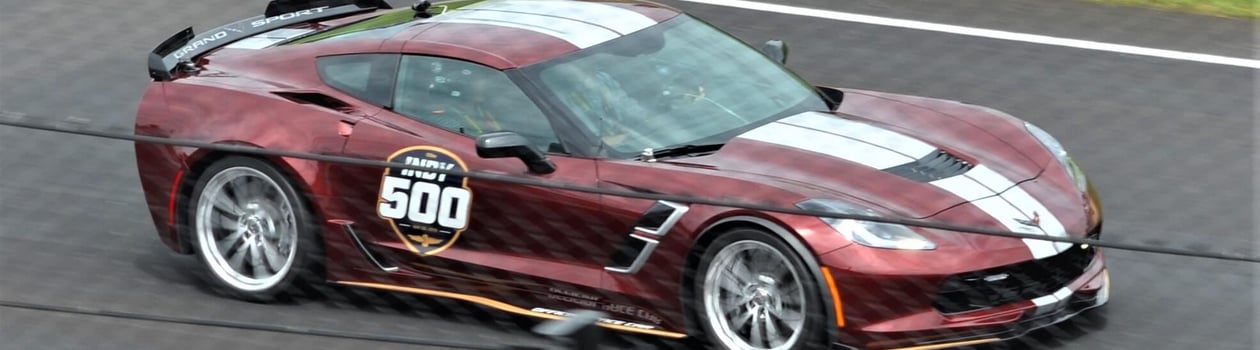
The Indianapolis 500, also known as the Indy 500, is a race that has captured the hearts of millions. It blends speed, skill, and tradition into one of the most thrilling spectacles in the world of sports.
Imagine cars zooming at breakneck speeds, a sea of fans cheering, and a tradition that dates back over a century. Welcome to the Indianapolis 500, folks!
Indianapolis 500 Timeline
Construction of Indianapolis Motor Speedway
Businessmen Carl G. Fisher and partners build the Indianapolis Motor Speedway as a test facility for the burgeoning U.S. automobile industry on a 2.5‑mile oval northwest of downtown Indianapolis.
First Auto Races and Early Safety Crisis
The first automobile races at the new speedway, run on a crushed stone and tar surface, are marred by multiple fatal accidents, highlighting the need for a safer, more durable racing surface.
“Brickyard” Paving Completed
Responding to safety concerns, the speedway is repaved with about 3.2 million hand‑laid bricks, finished by late 1909, and by December 1910 the track’s reputation for improved safety helps secure major racing events.
Inaugural Indianapolis 500 and Rear‑View Mirror
The first Indianapolis 500 is held, won by Ray Harroun in the Marmon Wasp at an average 74.6 mph, and he famously uses a rear‑view mirror instead of a riding mechanic, a concept credited as an early automotive safety innovation.
Borg‑Warner Trophy and Milk Tradition Cemented
The Borg‑Warner Trophy is introduced to honor the Indianapolis 500 winner with a sculpted likeness on a large silver trophy, and Louis Meyer’s post‑race habit of drinking buttermilk helps establish the now‑iconic milk‑in‑Victory‑Lane tradition.
Race Suspended During World War II
The Indianapolis Motor Speedway closes and the 500‑mile race is not held during World War II, reflecting nationwide resource restrictions and shifting priorities before the event is revived under new ownership after the war.
Development and Installation of SAFER Barrier
Researchers at the University of Nebraska–Lincoln and the Indianapolis Motor Speedway develop the SAFER (Steel and Foam Energy Reduction) barrier, first installed at the speedway in 2002, significantly improving impact safety for open‑wheel racing.
How to Celebrate the Indianapolis 500
Celebrating the Indianapolis 500 can be as thrilling as the race itself! Here are some fun and unique ways to join in the festivities:
Dive Into History
Before the race, explore the rich heritage of the Indy 500 at the IMS Museum. You’ll get to see legendary cars and learn about the race’s evolution.
Experience the 500 Festival
Participate in the array of events leading up to race day. These range from the community-focused 500 Festival to the glamorous Off the Grid party. It is a popular event that offers a night of nonstop entertainment and a chance to mingle with celebrities.
Join a Porch Party
Embrace the community spirit by hosting or joining a porch party. It’s a great way to enjoy the race with neighbors and friends.
Run in the Mini-Marathon
For active enthusiasts, joining the Mini-Marathon or other related running events can be a spirited way to celebrate the month of May.
Virtual Celebrations
If you can’t be there in person, engage in virtual activities that are offered by the Indianapolis Motor Speedway. From historical broadcasts to interactive content, there’s something for everyone!
Milk Toast
Honor the winner’s tradition from your home by having a glass of milk ready to toast the victor of the race.
Educational Programs
For families, participating in educational and kids’ fit programs offered by the 500 Festival can be both fun and informative.
Each of these activities offers a unique way to immerse yourself in the excitement and tradition of the Indianapolis 500. Whether you’re a long-time fan or new to the racing world, there’s a way for everyone to celebrate the “Greatest Spectacle in Racing.”
More About Indy 500
This isn’t just any race. It’s a slice of American history on wheels, celebrated every year on the last weekend of May, often landing on Memorial Day weekend. It’s not just about the thrill of racing; it’s a cultural festival where speed meets tradition under the Indiana sky.
Why all the fuss, you may wonder? Well, the Indy 500 isn’t just a test of speed; it’s a marathon of endurance, skill, and sheer nerve.
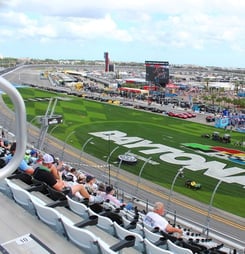
Drivers whirl around the track for 500 miles—that’s 200 laps, folks! This spectacle draws around 300,000 spectators, making it one of the largest single-day sporting events in the world. And it’s not just about the race. It’s a month-long celebration with practice runs, qualifying rounds, and a vibe that’s electric.
But here’s the kicker: winning the Indy 500 isn’t just about bragging rights or the hefty purse. It’s about drinking milk in victory lane, a quirky tradition dating back to the 1930s.
And let’s not forget about the Borg-Warner Trophy, a stunning piece of art that immortalizes the winner’s face!
This race is a testament to innovation, with safety and technology advancing with each year. From rear-view mirrors to aerodynamic tweaks, the Indy 500 pushes the envelope, making every lap, every turn, a brush with history.
So, why celebrate the Indy 500? It’s more than a race; it’s a legacy. This is the place where legends are born and traditions are cherished. It’s a reminder of the human spirit’s drive to push the boundaries, strive for excellence, and honor the past while racing toward the future.
History of Indianapolis 500
Born out of a dream to create a testing ground for the burgeoning automobile industry, the Indianapolis Motor Speedway was constructed in 1909. Its transformation from a gravel-and-tar track to the iconic “Brickyard” paved the way for the inaugural race in 1911, won by Ray Harroun.
From its early days, the Indy 500 was more than just a race. Many perceived it as a test of endurance and innovation.
Harroun’s victory, achieved with an average speed of 74.6 mph, set the stage for a century of automotive evolution. Over the years, the race has seen the transition from front-engine cars to more aerodynamic and faster rear-engine models, a change that significantly altered the competition’s landscape.
Beyond the track, the Indy 500 has grown into a cultural event, marked by pre-race traditions like the singing of “Back Home Again in Indiana” and the victory bottle of milk.
The establishment of the Indy 500 Festival in the 1950s added parades, concerts, and community events to the celebration, embedding the race further into America’s cultural fabric.
The race’s impact extends beyond the roar of engines and the cheers of the crowd. It’s a testament to human ingenuity and the relentless pursuit of speed. The Indy 500 has endured through times of peace and conflict, reflecting the resilience and spirit of its competitors and fans alike.
From its inception to the modern era of racing, the Indy 500 remains a symbol of excellence. It is meeting point for the world’s best drivers, and a showcase for the latest in automotive technology and innovation.
Facts About Indianapolis 500
Ray Harroun’s Rear‑View Mirror Changed Everyday Driving
In the inaugural 1911 race, winner Ray Harroun ran his Marmon Wasp without a riding mechanic and instead fitted a rear‑view mirror so he could watch for traffic behind him, an idea he said came from seeing a similar mirror on a horse-drawn vehicle.
While mirrors of various types existed earlier, Harroun’s highly publicized use at Indianapolis helped popularize the rear‑view mirror as standard safety equipment on road cars in the years that followed.
Indy’s “SAFER Barrier” Became a Global Track Safety Standard
Researchers at the Indianapolis Motor Speedway and the University of Nebraska–Lincoln developed the Steel and Foam Energy Reduction (SAFER) barrier in the late 1990s and early 2000s to absorb impact energy and reduce forces on drivers.
First installed at IMS in 2002, the system proved effective enough that it was rapidly adopted by major oval tracks across IndyCar and NASCAR, and variations are now used at circuits worldwide to improve crash survivability.
Fire-Resistant Suits in Open-Wheel Racing Were Pioneered by Drivers Themselves
In the early decades of the Indianapolis 500, many drivers raced in ordinary cotton or wool clothing that offered little protection from fire.
In the 1960s, after several high-profile, fiery crashes, drivers like Jim Clark and others began adopting flame-retardant Nomex suits developed with materials companies such as DuPont, and sanctioning bodies soon mandated them.
Modern Indy-style fire suits are multilayer garments that can give drivers 10–12 seconds of protection in intense fire, a dramatic improvement over earlier gear.
Indy 500 Oval Racing Helped Shape Wind-Tunnel Aerodynamics
Sustained high speeds around the 2.5‑mile Indianapolis Motor Speedway forced engineers to focus on aerodynamic drag and stability earlier than many road‑car designers.
By the 1960s and 1970s, Indy teams were routinely using wind tunnels to experiment with wings, underbody designs, and streamlined bodywork, work that fed into broader motorsport and eventually influenced how production cars were shaped for fuel efficiency and high‑speed stability.
The Speedway Became a Massive Economic Engine for Indianapolis
The Indianapolis Motor Speedway and its flagship race helped transform Indianapolis from a regional manufacturing city into a destination for sports tourism.
Modern economic impact studies have estimated that activities tied to the race and its surrounding events inject hundreds of millions of dollars into the local economy each year through visitor spending on hotels, restaurants, transportation, and entertainment, supporting thousands of jobs in central Indiana.
The 2.5‑Mile Oval Was Originally Built as an Automotive Test Laboratory
When the track opened in 1909, its founders intended it as a proving ground where automakers could push new engines, tires, and chassis harder than public roads allowed.
The long straightaways and four banked turns of the Indianapolis Motor Speedway created a controlled environment for durability and speed testing, attracting early companies such as Marmon, Stutz, and National and helping establish the idea of dedicated test tracks in the auto industry.
Racing at Indy Influenced Safer Fuel Systems in High-Speed Cars
Decades of fiery crashes at high-speed ovals, including Indianapolis, spurred the move from simple metal fuel tanks to flexible, puncture-resistant fuel cells. By the late 1960s and 1970s, Indy racing had widely adopted rubberized fuel bladders with internal baffling, technologies adapted from military aircraft.
These designs reduced the likelihood of fuel spills and explosions in severe impacts and became standard practice in top-level motorsports.