National Acai Bowl Day
A bowl of tropical paradise in every bite! Rich in antioxidants and vitamins, this sweet and refreshing treat is perfect anytime.
Enjoy the delicious health benefits of this superfood by celebrating National Acai Bowl Day! Built around a thick, frosty blend of açaí berry pulp and finished with an anything-goes layer of toppings, the açaí bowl sits right at the intersection of “treat” and “smart choice.”
It can look like edible art, taste like dessert, and still bring real nutrition to the table, which is exactly why it has become a favorite at smoothie bars and in home kitchens.
How to Celebrate National Acai Bowl Day
Celebrating National Acai Bowl Day comes with a few simple and easy ways to enjoy the day, including some of these ideas:
Enjoy an Acai Bowl
For those who have never tried one, what could be a better day to start on a new health adventure than on National Acai Bowl Day?! This simple food is easy to build and enjoy, whether purchased at a health food bar or restaurant or assembled at home.
Over the past decade or so, acai bowl restaurants and bars have popped up in various spots. They can also often be ordered at smoothie bars or natural food stores that have prepared foods sections.
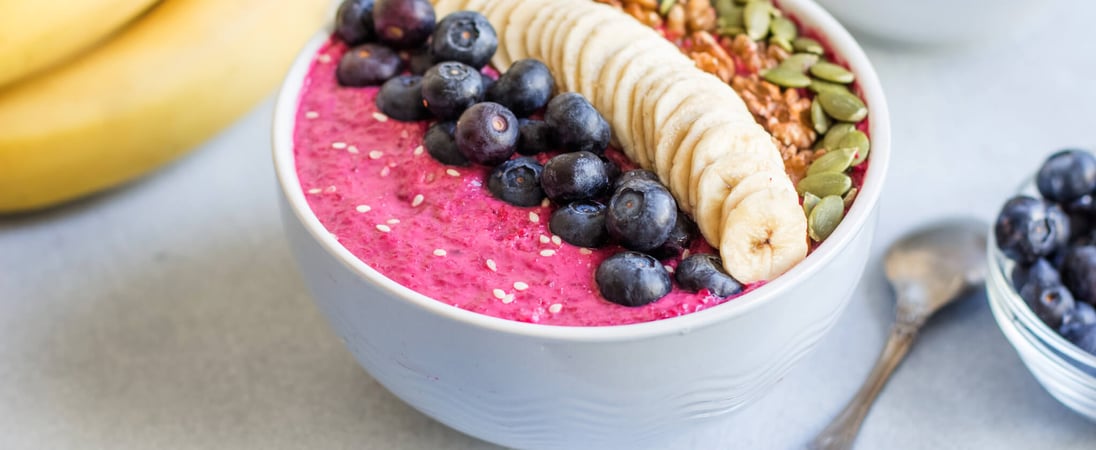
When ordering out, it helps to know what makes an açaí bowl an açaí bowl. The base is usually frozen açaí pulp blended until thick and spoonable, more like soft-serve than a drinkable smoothie.
Many shops blend it with banana, berries, or a splash of juice to get the texture just right. The bowl is then topped with a mix of fruit and crunch, commonly sliced banana, strawberries, blueberries, granola, coconut flakes, cacao nibs, and a drizzle of honey or nut butter.
A few practical tips can make an “enjoy an açaí bowl” mission even better:
- Ask about sweeteners. Some bases are unsweetened açaí and fruit only, while others include added sugar or sweetened juice. Someone who loves a dessert-like bowl might prefer the sweeter style, while others may want the tart, earthy taste of açaí to shine.
- Pick toppings with intention. Granola and nut butter are delicious, but they can turn a bowl into a calorie heavyweight quickly. That is not automatically a bad thing, especially for people who need a filling meal, but it helps to choose deliberately.
- Balance for a meal. Adding protein and fat can make the bowl feel like breakfast or lunch rather than a snack. Many places offer add-ins such as Greek yogurt, peanut butter, almond butter, hemp hearts, or extra nuts and seeds.
For those who enjoy the social side of food, National Acai Bowl Day is also a good excuse to try a new topping combination. Some people stick to the “classic” fruit-and-granola approach, while others head in a tropical direction with pineapple and coconut, or a chocolate-forward version with cacao, banana, and nut butter.
Make Your Own Acai Bowl
One delicious way to celebrate National Acai Bowl Day is to start making the acai bowl a part of your regular diet. It makes a great breakfast or lunch. Include not only acai berries but also other fresh fruits like strawberries, bananas and blueberries. Add some yogurt, granola, chia seeds and nuts and enjoy!
Making an açaí bowl at home is surprisingly straightforward, but the texture can be a little tricky at first. The goal is thick enough to eat with a spoon, not thin enough to sip through a straw. Most home versions start with frozen açaí puree packs, which are widely sold in freezer sections. Açaí is rarely used fresh outside growing regions because the berries are highly perishable, so frozen pulp is the usual starting point.
A simple method looks like this:
- Start with frozen ingredients. Use frozen açaí puree and frozen fruit (banana is the classic helper for creaminess).
- Add minimal liquid. A small splash of water, milk, or juice helps the blender move, but too much liquid turns the bowl into a smoothie.
- Blend and tamp. Blend until thick, scraping down and pressing ingredients toward the blades as needed.
- Build the toppings quickly. The base melts fast, so toppings should be ready to go.
It also helps to understand the flavor of açaí itself. Many people describe it as a mix of berries and dark chocolate, with an earthy, slightly tart note. That makes it flexible. It can be refreshing and fruity or rich and dessert-like depending on what is paired with it.
To keep homemade bowls satisfying and nutritionally balanced, consider building with a “base + texture + staying power” approach:
- Base: açaí puree, frozen banana, frozen berries, or mango.
- Texture: granola, toasted oats, chopped nuts, cacao nibs, coconut flakes.
- Staying power: chia seeds, ground flax, hemp hearts, Greek yogurt, cottage cheese, or a spoonful of nut butter.
A few fun variations keep things from feeling repetitive:
- Tropical bowl: açaí + frozen banana + pineapple, topped with coconut flakes and sliced kiwi.
- PB-and-berry bowl: açaí + frozen mixed berries + peanut butter, topped with crushed peanuts and banana slices.
- Crunch-forward bowl: açaí + banana, topped with granola, chia seeds, pumpkin seeds, and cacao nibs for a more substantial bite.
Storage and planning can make açaí bowls feel effortless. Keeping a few frozen açaí packs on hand, pre-slicing bananas for the freezer, and portioning toppings into jars can turn the whole process into a quick routine rather than a special project.
Learn Health Benefits of Acai Bowls
National Acai Bowl Day is an ideal time to get more educated about the reasons why the acai bowl is such a healthful addition to any diet. Consider some of these healthy traits of the acai bowl:
Before diving into benefits, it is worth noting a helpful reality check: an açaí bowl’s nutrition depends heavily on what goes into it.
A bowl built from unsweetened açaí, fruit, and a moderate amount of toppings is very different from one made with a sweetened base, lots of granola, and multiple drizzles. Both can be enjoyed, but the “health benefits” conversation makes the most sense when the bowl is treated like a thoughtfully built meal.
- Loaded with antioxidants
Clean up those toxins with the antioxidants in these acai berries.
Açaí gets much of its reputation from compounds called polyphenols, including anthocyanins, which also give the fruit its deep purple color. Antioxidants help the body manage oxidative stress, a natural process that occurs during normal metabolism and is influenced by factors like exercise, sleep, and diet. While no single food is a magic shield, eating a variety of colorful fruits and vegetables is a reliable way to add antioxidant compounds to a daily routine, and açaí fits neatly into that “eat the rainbow” approach.
It is also one reason açaí bowls are often compared to other berry-forward foods. Blueberries, blackberries, cherries, and pomegranates all bring their own mix of antioxidant compounds. Açaí simply offers a distinctive flavor and texture that makes it easy to eat in a hearty, spoonable form.
- Brain booster
Acai berries may help to reduce aging in the brain cells that minimizes function.
This benefit is often discussed in broad terms because diet and brain health are deeply connected and also highly complex. Antioxidant-rich foods, including berries, are commonly studied for how they might support brain function as part of an overall eating pattern.
The practical takeaway is less about expecting immediate effects and more about building habits that support long-term well-being.
For açaí bowls specifically, the “brain-friendly” angle can be strengthened by pairing the bowl with ingredients that contribute protein and healthy fats, such as nuts, seeds, and yogurt. That combination can help steady energy levels and keep the meal from becoming a quick sugar rush followed by a slump.
- Rich in nutrients
Acai bowls contain all sorts of healthful nutrients such as fiber, vitamin C, potassium, manganese and more.
A well-built açaí bowl can deliver a mix of fiber, vitamins, and minerals, mainly because it combines fruit with add-ons like seeds, nuts, and whole-grain granola. Açaí itself is unusual among fruits because its pulp contains a meaningful amount of fat, much of it unsaturated. That can help with satiety, especially when the bowl is not overloaded with sweeteners.
A few nutrient-focused ideas can help maximize the “power-packed punch”:
- Fiber: Add chia, ground flax, oats, and a generous portion of whole fruit. Fiber supports digestion and helps the bowel feel full.
- Protein: Stir in Greek yogurt, soy yogurt, protein powder, or top with nuts and seeds to make the bowl more meal-like.
- Micronutrients: Rotate toppings. One day might include pumpkin seeds and blueberries, another might feature strawberries and almonds. Variety is where a lot of nutrition benefits show up.
One more detail that often gets overlooked: açaí’s flavor is strong enough that bowls do not need a lot of added sugar to taste good. Sweetness can come from ripe bananas, mangoes, or berries, and many people find that once their palate adjusts, unsweetened açaí becomes a favorite.
Learn Health Benefits of Acai Bowls
National Acai Bowl Day is an ideal time to get more educated about the reasons why the acai bowl is such a healthful addition to any diet. Consider some of these healthy traits of the acai bowl:
-
Loaded with antioxidants
Clean up those toxins with the antioxidants in these acai berries.
-
Brain booster
Acai berries may help to reduce aging in the brain cells that minimizes function.
Learn Health Benefits of Acai Bowls
National Acai Bowl Day is an ideal time to get more educated about the reasons why the acai bowl is such a healthful addition to any diet. Consider some of these healthy traits of the acai bowl:
Before diving into benefits, it is worth noting a helpful reality check: an açaí bowl’s nutrition depends heavily on what goes into it. A bowl built from unsweetened açaí, fruit, and a moderate amount of toppings is very different from one made with sweetened base, lots of granola, and multiple drizzles. Both can be enjoyed, but the “health benefits” conversation makes the most sense when the bowl is treated like a thoughtfully built meal.
-
Loaded with antioxidants
Clean up those toxins with the antioxidants in these acai berries.
Açaí gets much of its reputation from compounds called polyphenols, including anthocyanins, which also give the fruit its deep purple color. Antioxidants help the body manage oxidative stress, a natural process that occurs during normal metabolism and is influenced by factors like exercise, sleep, and diet. While no single food is a magic shield, eating a variety of colorful fruits and vegetables is a reliable way to add antioxidant compounds to a daily routine, and açaí fits neatly into that “eat the rainbow” approach.
It is also one reason açaí bowls are often compared to other berry-forward foods. Blueberries, blackberries, cherries, and pomegranates all bring their own mix of antioxidant compounds. Açaí simply offers a distinctive flavor and texture that makes it easy to eat in a hearty, spoonable form.
-
Brain booster
Acai berries may help to reduce aging in the brain cells that minimizes function.
This benefit is often discussed in broad terms because diet and brain health are deeply connected and also highly complex. Antioxidant-rich foods, including berries, are commonly studied for how they might support brain function as part of an overall eating pattern. The practical takeaway is less about expecting immediate effects and more about building habits that support long-term well-being.
For açaí bowls specifically, the “brain-friendly” angle can be strengthened by pairing the bowl with ingredients that contribute protein and healthy fats, such as nuts, seeds, and yogurt. That combination can help steady energy levels and keep the meal from becoming a quick sugar rush followed by a slump.
-
Rich in nutrients
Acai bowls contain all sorts of healthful nutrients such as fiber, vitamin C, potassium, manganese and more.
A well-built açaí bowl can deliver a mix of fiber, vitamins, and minerals, mainly because it combines fruit with add-ons like seeds, nuts, and whole-grain granola. Açaí itself is unusual among fruits because its pulp contains a meaningful amount of fat, much of it unsaturated. That can help with satiety, especially when the bowl is not overloaded with sweeteners.
A few nutrient-focused ideas can help maximize the “power-packed punch”:
-
Fiber: Add chia, ground flax, oats, and a generous portion of whole fruit. Fiber supports digestion and helps the bowl feel filling.
-
Protein: Stir in Greek yogurt, soy yogurt, protein powder, or top with nuts and seeds to make the bowl more meal-like.
-
Micronutrients: Rotate toppings. One day might include pumpkin seeds and blueberries, another might feature strawberries and almonds. Variety is where a lot of nutrition benefits show up.
One more detail that often gets overlooked: açaí’s flavor is strong enough that bowls do not need a lot of added sugar to taste good. Sweetness can come from ripe banana, mango, or berries, and many people find that once their palate adjusts, unsweetened açaí becomes a favorite.
-
-
Rich in nutrients
Acai bowls contain all sorts of healthful nutrients such as fiber, vitamin C, potassium, manganese and more.
National Acai Bowl Day Timeline
Pre-Columbian era (centuries before 1500)
Indigenous Amazonian Staple
Indigenous communities along the Amazon River rely on acai palm fruit as a daily staple, processing the berries into a thick, nourishing pulp eaten with fish, cassava, and farinha.
1970s
From Forest Food to City Street Stalls
As riverine families migrate from rural floodplains into northern Brazilian cities like Belém and Macapá, acai pulp moves from village kitchens to urban markets and street vendors, laying the groundwork for modern acai bowls.
Late 1980s
Açaí na Tigela and Brazilian Fitness Culture
In Brazil’s coastal cities, blended frozen acai “na tigela” (in the bowl) catches on with surfers and fighters, helped by the Gracie family’s jiu-jitsu gyms, which promote acai as an energy food for athletes.
Early 2000s
Açaí Reaches North American Juice Bars
Entrepreneurs, including Ryan Black, Jeremy Black, and Ed Nichols, begin importing frozen acai pulp to Southern California, supplying dozens of juice bars and introducing American consumers to smoothies and early acai bowl–style blends.
2005
Vertically Integrated Acai Processing in the Amazon
Sambazon opens a large processing plant in Macapá, Brazil, creating a vertically integrated supply chain that standardizes acai pulp quality for smoothies and bowls and links thousands of small harvesters to export markets.
2010
First Dedicated Açaí Bowl Shop
Sambazon launches its first Sambazon Açaí Bowls retail store in Cardiff-by-the-Sea, California, bringing build-your-own acai bowls into a quick-service format and helping solidify the bowl as a mainstream café item.
Mid‑2010s
Global Superfood and Café Phenomenon
Travel, wellness media, and surf culture spread the acai bowl from Brazil and Hawaii to cafés across North America and Europe, where the colorful, fruit-topped bowls became icons of the global “superfood” and Instagram-ready breakfast trend.
History of National Acai Bowl Day
Originating in the country of Brazil, the acai (also spelled as açaí or assaí, and pronounced ah-sigh-EE) bowl is made from the acai berry as well as a few other ingredients based on preference.
Acai berries are considered to be a superfood that has been used by tribes of the Amazon rainforest for thousands of years! But they’ve only recently come into popular use in other places throughout the world.
The açaí berry comes from a species of palm native to the Amazon region, and in its home territory it has long been treated as food first, trend second. Traditional preparation begins with the berries being softened and processed into a thick pulp.
In some regions, açaí is commonly eaten in savory ways alongside staple foods, and in other settings it is served cold with sweet additions. That flexibility helped it travel: açaí can play the role of a nourishing base, a refreshing snack, or a dessert-like treat depending on how it is prepared.
For many people, acai bowls might feel like a very recent creation, but they have actually been around for approximately 40 years. These bowls got their start in the US in the 1980s when a Brazilian family who ran jiu jitsu gyms, the Gracie family, began serving them. As the fitness boom continued to grow, the deliciousness and power-packed punch of acai bowls grew in popularity as well.
As the story goes in many wellness circles, Brazil’s surf and fitness communities helped turn açaí from a regional staple into a performance-minded snack, with the Gracie family often credited as influential popularizers of the modern, sweetened bowl style.
Whether someone thinks of that moment as an “invention” or a savvy adaptation, the larger pattern is clear: once açaí was paired with familiar toppings like banana and granola, it became easy to sell, easy to love, and easy to copy.
The açaí bowl’s rise also matches a broader shift in the way people thought about quick meals. Smoothie bars and juice counters made it normal to grab fruit-based breakfasts on the go, and the açaí bowl fit perfectly into that ecosystem. It was cold, fast, customizable, and photogenic before “photogenic food” became a whole genre.
In the 1990s, after three friends returned to California following a trip to Brazil, they founded a company together to share what they had learned. Sambazon is dedicated to making foods and beverages based around their new favorite superfood: acai berries.
That kind of commercial infrastructure mattered. Açaí is not a fruit that can be casually shipped fresh over long distances and still taste good. Popularizing it internationally required processing into frozen pulp, managing supply chains, and making the product consistent enough for smoothie shops and home consumers.
Companies that specialized in açaí helped move it from “something a traveler tried once” to “something that can be stocked in a freezer and blended any time.”
As açaí products spread into grocery stores and cafés, the bowl format became a centerpiece. It showcased the fruit’s color and texture, and it provided a built-in way to add other ingredients that made it feel like a complete meal. Over time, the açaí bowl became part of a larger “bowl culture” that includes smoothie bowls, grain bowls, and other layered meals that prioritize customizable building blocks.
National Acai Bowl Day got its start in 2013 when Sambazon decided it wanted to raise more awareness about the delicious and healthy attributes of this amazing superfood.
So National Acai Bowl Day was established to offer more people the opportunity to learn about and enjoy health benefits by adding an acai bowl to their diet on a regular basis.
The day’s creation helped formalize something that was already happening: people were seeking out açaí bowls as a feel-good food that could be both nourishing and fun. For smoothie bars, it offered a reason to spotlight the menu favorite.
For home cooks, it provided a nudge to experiment with açaí packs in the freezer. And for anyone who simply likes a snack that tastes like dessert while still including fruit, it is a pretty delightful excuse to grab a spoon and start layering toppings.
At its heart, National Acai Bowl Day celebrates a dish that traveled from regional tradition to global trend by being genuinely enjoyable. Açaí bowls can be simple or extravagant, light or hearty, classic or wildly creative. The bowl may look like a modern invention, but it is really an ongoing remix of a time-tested ingredient, blended cold, topped generously, and happily eaten before it melts.
National Acai Bowl Day FAQs
Are acai bowls actually healthy, or are they mostly a marketing trend?
Acai itself is a nutrient-dense fruit that provides fiber, healthy fats, and antioxidants, and unsweetened acai pulp can fit well into many balanced diets.
Modern acai bowls, however, often include sweetened acai bases, fruit juice, sugary granola, and syrups, which can drive the sugar and calorie content high enough to resemble a dessert.
Nutrition and medical sources emphasize that acai bowls are as healthy as their ingredients and portions, and that claims about dramatic weight loss, “detox,” or disease cures are not supported by strong clinical evidence. [1]
How do traditional Amazonian uses of acai differ from the smoothie bowls popular today?
In Amazonian regions of Brazil, acai has long been eaten as a savory staple food: the berries are soaked, mashed into a thick pulp, and traditionally served with fish and cassava or other local starches as part of everyday meals.
The modern acai bowl found in cafes blends frozen pulp with sweeteners or fruit juice and is topped with fruit, granola, nut butters, and other add‑ins, making it closer to a sweet breakfast or dessert.
Food historians note that this sweeter “acai in a bowl” style first emerged in Brazilian cities before spreading internationally. [2]
What should people with diabetes or blood sugar concerns watch for in an acai bowl?
Unsweetened acai pulp is relatively low in sugar compared with many fruits, but most commercial acai bowls are blended with fruit juices or pre‑sweetened packs and then topped with sweet granola, honey, or syrups.
Diabetes and public health guidelines recommend limiting added sugars, so people with blood sugar concerns are often advised to choose bowls made with unsweetened acai, emphasize whole fruit rather than juice, go easy on sweet toppings, and keep portions modest.
Reviewing posted nutrition information when available can help align an acai bowl with individual carbohydrate goals. [3]
Are there any safety concerns with acai or acai bowls for most people?
For generally healthy adults, eating acai in typical food forms such as bowls, smoothies, or juices is considered low risk, and there are no well‑documented serious side effects at normal dietary amounts.
Government health agencies note that any food can cause an allergic reaction in sensitive individuals, and they also caution against relying on high‑dose acai supplements or unpasteurized products in place of medical care.
The main everyday concern with acai bowls in non‑endemic countries is their sugar and calorie content, rather than toxicity from the fruit itself. [4]
Is it better to eat acai as a whole food or in supplement form?
Nutrition and regulatory agencies generally advise getting acai as part of whole foods, such as frozen pulp used in bowls or smoothies, rather than relying on pills, powders, or “detox” and weight‑loss supplements.
Whole‑food preparations provide fiber and are less likely to contain undisclosed ingredients, while supplements can be highly concentrated, vary widely in composition, and have been involved in misleading marketing claims.
The U.S. Federal Trade Commission has taken action against acai‑based weight‑loss scams, reinforcing the recommendation to treat acai supplements with caution.
Can acai bowls fit into a heart‑healthy or weight‑management eating plan?
Acai’s mix of unsaturated fats, fiber, and polyphenols can support a heart‑healthy pattern when eaten in moderation, but many acai bowls contain enough calories and added sugar to surpass the needs of a single snack or meal.
Cardiology and public health guidance stresses that overall dietary patterns and energy balance matter more than any single “superfood.”
Choosing smaller portions, unsweetened acai bases, plenty of whole fruit, and toppings like plain nuts or seeds instead of sugary granola and syrups can help acai bowls align better with heart‑health and weight‑management goals. [5]
Are there infectious disease risks linked to acai in the regions where it is grown?
In parts of Brazil and other areas where Chagas disease is endemic, investigators have linked some outbreaks of orally transmitted Chagas disease to consumption of unpasteurized acai juice or pulp that was contaminated during harvesting or processing.
Brazilian public health agencies recommend good hygiene and pasteurization to reduce this risk.
For consumers using pasteurized and frozen acai products exported to North America or Europe, experts describe the risk of Chagas transmission as very low, but this history is one reason why food safety practices are emphasized in acai‑producing regions.
Also on ...
View all holidays
National Pajama Day
Embracing comfort all day, an effortless shift from formal wear to cozy pajamas adds a delightful twist to routines.

Easter Monday
Easter Monday is the perfect time to relax and spend quality time with family and friends. Enjoy a leisurely brunch, hunt for hidden Easter eggs, or take a leisurely stroll in the sunshine.

Army Day
Thank a veteran, donate to the cause, or volunteer to help the nation’s frontline, who often suffer PTSD, poverty, and loss for their sacrifices to their country.

National Carbonara Day
Rich pasta, melding salty pancetta, creamy egg, and Parmesan—a flavor dance that captivates discerning palates effortlessly.
We think you may also like...
National Green Juice Day
Sipping a refreshing blend of leafy greens and zesty fruits is like getting a vitamin-packed energy boost — the perfect way to start the day!

National Tofu Day (UK)
Try a healthier, often more eco-friendly option in your meals instead of meat. Try tofu stir-fry, tofu in taco bowls, or even a sweet, moist tofu-based dessert.