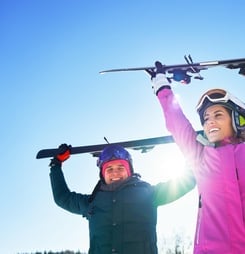

National Après Day is a lively celebration dedicated to the joy of relaxing and enjoying good times with friends after an adventure-filled day.
This day, established by Breckenridge Distillery, captures the essence of unwinding and sharing stories, whether you’ve been skiing, hiking, or just experiencing the thrill of the day. It’s a perfect occasion to kick back with a drink in hand. It revokes the accomplishments of the day with loved ones.
How to Celebrate National Après Day
Host a Cozy Gathering
Invite friends over for a cozy evening. Light a fire, set out some comfy blankets, and serve hot drinks. Everyone can share stories about their day’s adventures, whether they involved skiing, hiking, or just a busy day at work.
Keep the atmosphere relaxed and inviting.
Create Unique Cocktails
Get creative in the kitchen and mix up some special après-ski cocktails. Use local ingredients or try out new recipes. Consider a bourbon-based drink or a hot toddy to warm everyone up. Share your creations on social media to get more people involved!
Enjoy the Outdoors
Take the celebration outside, even if it’s just to your backyard. Set up a fire pit, roast marshmallows, and enjoy the crisp air. If you’re near mountains or trails, end your day with a relaxing outdoor session, basking in the beauty around you.
Plan a Virtual Hangout
Not everyone can meet in person, so why not plan a virtual hangout? Set a time for friends and family to join a video call. Everyone can bring their drinks and snacks to celebrate from the comfort of your own homes.
Cook a Feast
Whip up a hearty meal to share with friends or family. Think comfort food like stews, casseroles, or a big pot of chili. Enjoying a delicious meal together is a perfect way to wind down and savor the day’s experiences.
Share Your Adventures
Use social media to share how you’re celebrating. Post photos or videos of your après activities and tag friends to join in the fun.
National Après Day FAQs
Reasons for Celebrating National Après Day
The main reasons for celebrating National Après Day revolve around the spirit of camaraderie and relaxation. This day encourages people to embrace the après-ski culture, which is all about enjoying the moment and connecting with others after engaging in activities.
It highlights the importance of taking time to unwind and appreciate the little victories and joys of life, whether you’re a skier, hiker, or simply someone who loves to relax with friends.
Breckenridge Distillery’s campaign also aims to show that you can “après” anywhere, making it an inclusive celebration for everyone, no matter where they are or what they are doing.
National Après Day Timeline
Early Après Traditions in Telemark, Norway
Recreational skiing grows in Telemark, where skiers begin gathering for drinks and snacks after outings, laying the groundwork for modern après culture.
Winter Olympics Help Popularize Alpine Ski Leisure
The first Winter Olympics in Chamonix spotlight Alpine skiing as a leisure sport, encouraging social life around the slopes that later evolves into organized après-ski.
Modern Après-Ski Culture Takes Shape in the Alps
With postwar growth in commercial skiing, European resorts in France, Austria, and Switzerland developed a distinct après-ski scene of bars, music, and shared relaxation after skiing.
Tea Dancing and Cocktail Hours Become Après Staples
As ski tourism booms, resorts introduce afternoon “tea dancing” and cocktail hours, turning simple post-ski gatherings into lively social rituals central to ski holidays.
European-Style Après-Ski Reaches U.S. Resorts
New American destinations such as Vail are deliberately modeled on European Alpine villages, importing the après-ski idea of winding down with friends over drinks after a day on the mountain.
La Folie Douce Elevates High-Energy Mountain Parties
The opening of La Folie Douce in Val d’Isère helps redefine après-ski with outdoor DJs, live performances, and dancing on the slopes, influencing party-style après scenes across the Alps.
Après-Ski Expands Beyond the Slopes
As skiing grows worldwide, the French term “après-ski” enters mainstream vocabulary, and the concept of relaxing, social “after” time spreads into general leisure, hospitality, and fashion trends.
History of National Après Day
National Après Day was established by Breckenridge Distillery, a renowned distillery located in Breckenridge, Colorado. This day was founded to celebrate the joy and tradition of après-ski culture, which involves relaxing and socializing after a day of skiing or engaging in outdoor activities.
The first National Après Day took place on March 31, 2023, aiming to extend the après-ski spirit to a wider audience beyond just ski enthusiasts. The idea behind National Après Day is to encourage people to take a moment to unwind and appreciate their achievements of the day, whether they involve skiing, hiking, or any other activity.
Breckenridge Distillery’s campaign, Après Anywhere, promotes the notion that this celebration can take place anywhere and with anyone. This initiative has gained popularity, allowing people from various backgrounds and locations to join in the fun and embrace the après-ski tradition in their own unique ways.
National Après Day Facts That Celebrate the Social Side of Skiing
Norwegian Ski Clubs Helped Popularize the Social Side of Skiing
Organized skiing in Europe began as a practical way to travel over snow, but early Norwegian ski clubs in the late 19th century already treated post-ski gatherings as part of the experience.
In Christiania (now Oslo), clubs such as Christiania Skiklub hosted ski races followed by indoor social events, meals, and music, creating a template for skiing as both sport and social life that later spread into the Alps as tourism grew.
Alpine Tourism’s Shift to Winter Opened the Door for Après-Ski Culture
Before skiing became fashionable, the Alps were mostly a summer destination for mountaineers and health tourists.
After the first ski lifts appeared in the early 20th century, resort towns like St. Moritz and Chamonix began marketing winter holidays, and by the interwar years winter tourism had eclipsed summer in economic importance.
This shift concentrated visitors in cold, dark months, creating demand for warm, lively evening spaces that evolved into modern après-ski bars and lounges.
1950s Mass Ski Tourism Turned Après-Ski into a Global Export
While people had gathered informally after skiing for decades, historians of the sport point to the 1950s rise of commercial ski resorts and package holidays as the moment après-ski became a recognizable institution.
As lifts, hotels, and tour operators expanded in Norway, Austria, France, and Switzerland, ski towns started building dedicated bars, terraces, and music venues that catered to middle-class tourists, exporting the idea of a structured “after-ski” scene to North America and beyond.
St. Anton’s Krazy Kanguruh Helped Define High-Energy Après-Ski
One of the most influential venues in après-ski history is the Krazy Kanguruh bar in St. Anton am Arlberg, Austria, which began attracting skiers in the 1960s.
Located right on the slopes, it became famous for crowded outdoor decks, loud music, and a party that started in the afternoon while people were still in ski boots.
Travel writers and ski magazines have repeatedly cited St. Anton’s bars, including Krazy Kanguruh, as models for the rowdy, communal style of après-ski copied by other resorts.
Après-Ski Venues Face Mounting Pressure from Climate Change
Researchers studying Alpine tourism note that milder winters and shorter snow seasons are changing the economic role of après-ski.
With resorts investing more in artificial snow and four-season attractions, bars and clubs are being pushed to adapt by offering non-snow-related entertainment and by marketing themselves as year-round meeting places.
Some destinations now frame après-ski less as a snow-specific ritual and more as part of a broader “mountain lifestyle” to remain viable in a warming climate.
Après-Ski Has Become a Lens for Rethinking Mountain Tourism
Scholars of the Alps have begun using après-ski as a symbol of what they call “after-tourism,” where regions reconsider their dependence on mass winter sports.
In French-language research on Alpine planning, après-ski is described as both a draw and a challenge: it brings revenue and international visibility but also raises questions about noise, alcohol use, and sustainability in small mountain communities.
This debate has spurred experiments with quieter cultural events and wellness-focused evenings as alternatives.
Modern Après-Ski Combines Folk Traditions with Global Pop Culture
Contemporary après-ski scenes blend local customs such as drinking hot spiced wine or fruit schnapps with international elements like DJs playing English-language pop and EDM.
Industry histories note that Alpine resorts deliberately mix regional food, wooden chalet architecture, and folk imagery with globally recognizable party formats, so visitors feel both “authentically” in the mountains and comfortable in a familiar nightlife environment.
This hybrid style has helped après-ski appeal to diverse international crowds.