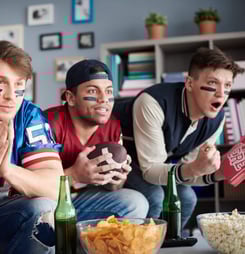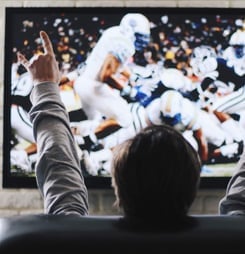

American football’s Super Bowl, hosted by the National Football League (NFL), is an event to behold. Originally enjoyed by mostly just football fans, the annual event has grown to become an iconic cultural event in the US.
Complete with gatherings, big screen televisions and, for a lucky few, tickets to attend the event live, the Super Bowl traditionally lands on a Sunday and tends to inspire one of the biggest nights of snacking, cheering, and second-screen scrolling of the year.
And then comes the morning after: the less glamorous side of the spectacle. Whether someone feels foggy from a few too many celebratory drinks, sluggish from a heroic amount of wings and dip, or simply sleep-deprived from a late finish and postgame chatter, National Football Hangover Day gives that collective “oof” a name.
How to Celebrate National Football Hangover Day
If this old-but-new day seems like a good idea, then get ready to participate in National Football Hangover Day! Get on board with some ideas like these:
Call Off Work
Many people tend to use National Football Hangover Day as an excuse to take a sick day or a personal day from work. The logic is simple: the Super Bowl is built for maximum attention, and that attention often comes with late-night viewing, loud living rooms, and the kind of “just one more” decision-making that looks questionable in the morning.
Those who plan to take time off can do it the tidy way, by requesting a personal day in advance. Even people who do not drink alcohol may appreciate a buffer day to recover from hosting duties, travel to and from gatherings, or the emotional whiplash of a close game.
For many fans, the mental hangover is real: win or lose, the adrenaline drop the next day can feel like someone turned the lights down.
For anyone skipping work, it helps to treat the day as actual recovery time rather than a bonus day to run errands at full speed. Sleep, rehydrate, and slow the pace. The spirit of the day is less “maximize productivity” and more “re-enter society gently.”
Hold Special Events at Work
For employers who are trying to keep their staff from calling in sick on National Football Hangover Day, extra motivation can go a long way.
A workplace that acknowledges reality tends to get better results than one that pretends everyone watched an early bedtime documentary and drank herbal tea.
Some teams build in flexibility, allowing later start times, optional remote work, or a lighter meeting schedule. Others lean into morale with low-stakes activities: a “best commercial” vote, a snack potluck using leftover party food (only if everyone is comfortable with that), or a casual dress day where jerseys and team colors are welcome. Even a simple coffee-and-breakfast setup communicates, “We know you’re human.”
This is also an opportunity for leadership to model a responsible workplace culture. Encouraging people to stay home if they are truly unwell, offering hydration options, and keeping expectations reasonable can reduce both presenteeism and mistakes.
In jobs that involve driving, heavy machinery, patient care, or other safety-sensitive duties, it is especially important to prioritize fitness for duty. National Football Hangover Day may be playful, but safety is not.
Treat that Hangover
For people who do not have the luxury of calling in sick and sleeping all day, a few practical hangover fixes can make a real difference. Start with fluids, add some carbohydrates, and if needed, use coffee and common pain relievers like ibuprofen or aspirin (not acetaminophen). These simple steps won’t erase a rough night, but they can make the day more manageable.
It also helps to understand what a “hangover” actually is, because the best fix depends on what is causing the discomfort. The morning after a big game often brings several problems at once:
- Dehydration and dry mouth: Alcohol increases urine output, and salty party food makes the imbalance worse. Water is the first line of defense, and electrolyte drinks can help if you feel especially drained.
- Poor sleep: Late nights and alcohol both disrupt normal sleep cycles, leaving the brain foggy the next day. Short naps can help, but an earlier bedtime is the best reset.
- Upset stomach: Heavy, greasy, or spicy foods can irritate an already sensitive digestive system. Lighter, bland foods are usually easier to tolerate.
- Headache and muscle aches: Over-the-counter anti-inflammatory pain relievers help many people, but they should always be used according to the label. Health professionals often advise avoiding acetaminophen after heavy drinking because both alcohol and acetaminophen stress the liver. Anyone with medical conditions or regular medications should be especially cautious.
Coffee is popular because it boosts alertness, but it does not speed up sobriety and can irritate the stomach. It works best when paired with water and food, not taken on its own.
Finally, one of the most effective strategies happens before the hangover starts: damage control during the game. Alternating alcohol with water, eating a proper meal instead of only salty snacks, and stopping a little earlier in the evening can turn National Football Hangover Day from a struggle into just a slightly sleepy Monday.
History of National Football Hangover Day
Since its launch in 1967, the Super Bowl has grown far beyond a simple championship game. What began as a matchup between two football teams has become one of the biggest entertainment events of the year.
Many people who never follow the regular season still tune in for the halftime show, the commercials, or the ritual of gathering with friends and family.
That growth has changed how the Super Bowl is experienced. Television turned it into a shared national moment, while advertising became an event in its own right.
Companies now spend enormous sums to reach that massive audience, and the ads are analyzed, ranked, mocked, and debated long after the final whistle.
The halftime show has followed the same path, evolving into a high-stakes performance where major artists aim to create a moment that dominates the next day’s conversation.
And that “next day” is exactly where National Football Hangover Day lives.
Because the game is played on a Sunday, many viewers stay up later than usual. Add in parties, food, and alcohol, and the Monday that follows has a well-earned reputation for grogginess, low energy, and a sudden wave of “not feeling well” messages.
Sometimes the hangover is literal, but just as often it is a mix of lost sleep, heavy meals, and the social exhaustion that comes from hosting or attending a big gathering. In workplaces, this shows up as more lateness, more mistakes, and a room full of people who look like spreadsheets are written in a foreign language.
National Football Hangover Day was officially named in 2019, credited to sports personality and ESPN host Katie Nolan. The phenomenon itself had existed for decades, but giving it a name made it easier to acknowledge.
Once labeled, it became a kind of cultural shorthand: a knowing nod to a pattern everyone recognizes and a small invitation to be patient with one another.
The idea also captures modern fandom honestly. Super Bowl Sunday is no longer just a game; it is an all-day media experience filled with pregame shows, nonstop analysis, social media reactions, halftime spectacle, and postgame commentary that stretches late into the night.
National Football Hangover Day is the flip side of that intensity, a reminder that even the biggest cultural moments still come with very human limits.
In a broader sense, the day reflects how massive shared events collide with everyday work life. People have long suggested solutions, from moving the game to a different day to allowing more flexible Mondays afterward.
National Football Hangover Day does not settle those debates, but it gives people a lighthearted way to admit something obvious: a huge Sunday night leaves a mark on Monday morning.
And the “hangover” does not have to involve alcohol at all. Someone might feel drained from cheering in a crowded living room, cooking for a houseful of guests, cleaning up afterward, or riding the emotional high or low of their team’s outcome.
The day offers a shared label for that wiped-out feeling, making it just a little easier to say, “We all had a big night.”
Facts About National Football Hangover Day
National Football Hangover Day highlights what happens when one of the biggest nights in American entertainment collides with a normal Monday work schedule. After the Super Bowl, millions of people return to work running on less sleep, heavier meals, and a brain still tuned to last night’s excitement. What looks like a few tired employees quickly adds up to a nationwide productivity dip, making this unofficial observance a surprisingly serious snapshot of how culture, work, and human limits intersect.
Hidden Costs of the Super Bowl “Hangover”
UKG’s absenteeism research, summarized by Carrier Management and other business outlets, projected that for Super Bowl LIX, about 22.6 million U.S. employees would miss work on Monday, with millions more planning to arrive late or work while tired or distracted, illustrating how one major sporting event can create an unusually large productivity dip across the labor force.
Super Bowl Monday and Lost Working Hours
Analysis reported by HRD America, drawing on UKG and Paycom data, found that the combination of planned absences, unplanned sick calls, late arrivals, and reduced focus on the Monday after the Super Bowl can add up to tens of millions of lost work hours nationwide, enough for some employers to treat the day as a recurring, predictable disruption in their annual staffing plans.
Workers’ Attitudes Toward Post‑Super Bowl Time Off
Coverage of UKG survey findings in Carrier Management noted that roughly 43% of employed Americans think the Monday after the Super Bowl should be a national holiday, and that more than a third of those who watch the game expect to be less productive the next day, underscoring how socially accepted it has become to view that Monday as a quasi‑break from normal work demands.
Remote Work as a Modern “Hangover Strategy”
A survey reported by Fox Business found that about 41% of hybrid employees planned to work remotely on the Monday after the Super Bowl, specifically because they anticipated feeling tired or unwell after the game, showing how flexible work arrangements are increasingly used to cushion the impact of late‑night sports viewing and related socializing on next‑day job performance.
Why Hangovers Peak After Blood Alcohol Hits Zero
The U.S. National Institute on Alcohol Abuse and Alcoholism explains that hangover symptoms often feel worst after blood alcohol concentration has dropped back to zero, as lingering acetaldehyde, immune and inflammatory responses, hormone changes, and poor‑quality sleep combine to cause headaches, fatigue, nausea, and slowed thinking the morning after heavy drinking.
“Hair of the Dog” Prolongs Hangover Effects
According to NIAAA’s guidance, using “hair of the dog” by drinking more alcohol the day after heavy drinking may temporarily dull hangover discomfort, but it actually prolongs exposure to toxic alcohol breakdown products, extends impairment, and can reinforce unhealthy drinking patterns rather than helping the body recover.
Painkillers and Hangovers: Why Choice Matters
Mayo Clinic cautions that taking acetaminophen for a hangover headache after heavy drinking can significantly raise the risk of liver damage because both alcohol and the drug are processed in the liver, whereas nonsteroidal anti‑inflammatory drugs such as ibuprofen are generally preferred for short‑term headache relief, though they still carry risks like stomach irritation.