Navy Reserve Birthday
The Navy Reserve Birthday is a special occasion that honors the dedication and service of the Navy Reserve, a force built for flexibility, expertise, and readiness.
This day celebrates the vital contributions of Reserve Sailors who support the active-duty Navy. These reservists step in to fill critical capability gaps, reinforce units during surges, and provide specialized experience that is hard to grow quickly on the active side.
Whether supporting operations at sea, coordinating logistics from shore, or working in highly technical fields, they help keep the Navy prepared for whatever comes next.
They also bring unique skills from their civilian careers, enhancing the Navy’s effectiveness and adaptability. A reservist might spend the workweek as a nurse, engineer, mechanic, software specialist, or project manager, then apply that same know-how to military missions.
The celebration serves as a reminder of their commitment, their dual-role lifestyle, and the essential part they play in the nation’s defense.
Reasons for Celebrating Navy Reserve Birthday
Celebrating the Navy Reserve Birthday acknowledges the invaluable support provided by reservists and the demanding balancing act behind it. Reserve service is not simply “part-time work.” It requires training, physical readiness, professional qualifications, and the ability to shift quickly from civilian routines to military standards.
Reservists may maintain their certifications, complete specialized training, and stay current on equipment and procedures, enabling them to integrate smoothly with active-duty commands.
The day also highlights a core principle often associated with reserve forces: ordinary citizens with extraordinary responsibilities. Many Navy Reservists hold civilian jobs, care for families, and contribute to their communities, all while maintaining a commitment to serve when needed.
That combination of rootedness and readiness is part of what makes the Reserve distinct. It ties national defense to real-world skills and perspectives from outside the military.
Another reason to celebrate is the Reserve’s long track record of meaningful impact. The Navy Reserve has been an essential component in major conflicts and long-term operations since World War I, providing trained manpower at scale and specialized capabilities that allow the larger force to function.
Over time, reservists have served in roles as diverse as aviation support, intelligence analysis, logistics and cargo handling, medical care, construction support, communications, and administration. Their value is often measured in quiet competence: making sure ships are supplied, systems are secure, patients are treated, and teams are staffed with the right people at the right moment.
Honoring their service can also strengthen a sense of continuity among current and former members. For many sailors, reserve service is a long arc that includes initial training, operational assignments, leadership roles, and mentorship of newer personnel. Recognizing the Navy Reserve’s birthday invites families, friends, and coworkers to understand that commitment better and appreciate the discipline required to maintain it.
Navy Reserve Birthday Timeline
1888
First State Naval Militia Established
Massachusetts created the first state naval militia, an organized body of citizen-sailors that became a key predecessor to the later federal Naval Reserve.
29 August 1916
Creation of the U.S. Naval Reserve Force
Congress reorganized the new reserve as the United States Naval Reserve Force, opening it to civilians without prior service and formally structuring it for wartime expansion.
April 1917
Mass Mobilization for World War I
Following the U.S. entry into World War I, Naval Reservists surged from about 8,000 to more than 250,000 within 18 months, providing over half of the Navy’s wartime manpower.
7 December 1941
Reservists Fired First U.S. Shots of World War II
Navy Reserve sailors aboard the destroyer USS Ward near Pearl Harbor sank a Japanese midget submarine, firing the first American shots of the war.
June 1946
Postwar Naval Reserve Reorganization Debated
In the aftermath of World War II, U.S. Naval Institute Proceedings published “A Post-War Naval Reserve,” outlining plans to reshape the citizen-sailor force for peacetime and future conflicts.
Post–9/11 era (from 2001)
Reservists Mobilized for Modern Conflicts
After the September 11 attacks, tens of thousands of Navy Reservists were mobilized to support Operations Enduring Freedom and Iraqi Freedom, cementing the Reserve’s role in sustained overseas operations.
2005
Renaming to United States Navy Reserve
The organization’s official name changes from “United States Naval Reserve” to “United States Navy Reserve,” reflecting its full integration as the Navy’s Reserve Component.
History of Navy Reserve Birthday
The Navy Reserve was officially established on March 3, 1915, when Congress passed legislation creating the Federal Naval Reserve. The timing was no accident. International tensions were rising, and military planners were paying close attention to how quickly global events could demand rapid mobilization.
The United States needed a way to expand naval forces without having to build an entirely trained workforce from scratch when a crisis arrived.
Franklin D. Roosevelt, then Assistant Secretary of the Navy, was among those who advocated for a formal reserve organization. The concept was straightforward but powerful: maintain a pool of trained sailors who could be called to active service quickly, bringing both military proficiency and, often, civilian trade skills useful to a modern navy.
The result was a reserve force designed to complement the active-duty fleet, giving the Navy strategic depth and surge capacity.
As global conflict intensified and the United States entered World War I, the value of that decision became clear. The Navy Reserve expanded dramatically, growing from a relatively small base to more than 250,000 members by the end of the war. Reservists made up a significant share of wartime naval personnel, helping to crew ships, operate facilities, and support the enormous logistical demands of a navy operating at scale.
World War II pushed those numbers and responsibilities even further. During that conflict, the Navy Reserve constituted a vast majority of the Navy’s total personnel, with commonly cited figures around 84% of the wartime Navy. This was not simply a matter of filling seats.
Reservists served across the entire spectrum of naval operations, from shipboard duties and aviation to shore-based logistics, training, and specialized technical roles. The Reserve’s capacity to bring in large numbers of trained people helped the Navy grow quickly enough to meet the demands of a global war.
Through the decades that followed, the Reserve continued to evolve alongside changes in technology and strategy. Modern naval operations rely on increasingly complex systems. That complexity often aligns well with the Reserve’s model: a force that can draw on civilian expertise in fields like medicine, engineering, information technology, cybersecurity, and logistics management.
The Navy Reserve has participated in major conflicts and operations across generations, demonstrating that it is not a historical artifact but an active, adaptable part of the Navy’s overall capability.
Even its name and organizational structure have shifted over time, reflecting changes in how the Navy organizes and communicates its components.
While the details of terminology have evolved, the underlying purpose has remained consistent: to provide trained, ready sailors who can integrate with active forces and expand the Navy’s ability to respond.
How to Celebrate Navy Reserve Birthday
Host a Navy-Themed Party
Transform a living room into a mini naval base, or at least the spirited version of one. Decorate with anchors, ship wheels, blue and white streamers, and homemade “bulkhead” signs taped to the walls.
If the gathering is small, even a simple table setup with navy-blue napkins and a centerpiece made from rope knots can set the tone.
Food can keep the theme playful without turning into a culinary obstacle course. Seafood snacks are a classic choice, but any finger foods work if they are labeled with fun “shipboard” names.
A simple chili becomes “galley chow,” a veggie tray becomes “radar contacts,” and cupcakes can be topped with tiny paper anchors. The point is not authenticity but appreciation with a wink.
To make the party feel connected to the real purpose of the day, add a moment of recognition. Invite a Reserve Sailor, veteran, or family member to share a short story about what Reserve life is like.
If no one in the group has direct experience, the host can read a brief note about the Navy Reserve’s mission and history before the games begin. It keeps the celebration grounded in gratitude, not just decorations.
Sailor Dress-Up Day
Encourage people to dress up as sailors for the day, keeping it lighthearted and respectful. A classic navy-inspired look can be as simple as a striped shirt and sailor hat, while others might choose a vintage-style costume for fun.
In workplaces or schools where uniforms are not appropriate, a “nautical color day” with navy blue and white clothing can capture the spirit without going over the top.
Photos are part of the fun, especially if participants add small props like paper “orders,” toy binoculars, or cardboard ship wheels. If sharing online, it helps to include a short message of appreciation alongside any images so the celebration does not drift into pure costume comedy. The goal is a playful nod to Navy culture paired with real recognition of service.
For groups with kids, this can become a craft activity: make simple sailor caps from paper, create “rank badges” with stickers, or learn a basic rope knot. It turns the day into an interactive experience and gives younger participants something tangible to remember.
Watch a Naval Movie Marathon
Dive into a lineup of naval movies that capture different sides of life connected to the sea. Action-heavy choices like “Top Gun” bring aviation and military intensity. “Crimson Tide” leans into suspense and command decisions.
“Master and Commander” offers a historical angle and the rhythms of shipboard life. Mixing styles keeps the marathon from feeling repetitive and opens a conversation about how naval missions have changed across eras.
To add meaning without turning movie night into a lecture, the host can include short discussion prompts between films: What kinds of jobs show up in the story? Who provides support behind the scenes?
How does teamwork affect outcomes? These questions naturally connect back to the Reserve, which often contributes specialized support that makes operations possible even when it is not the focus of the spotlight.
Snacks can follow the theme too. Popcorn is perfect, but a “midwatch snack station” with coffee, crackers, and candy makes the marathon feel like a late-night watch rotation, minus the actual duty.
Write Letters to Reservists
Craft heartfelt letters to Navy reservists to thank them for their service and dedication. A thoughtful note does not need to be long, but it should be specific and sincere. Mention appreciation for their willingness to train, to deploy when called, and to manage the demands of a dual civilian and military life.
Schools, clubs, and community groups can make this a shared activity by setting up a “letter-writing table” with stationery, markers, and sample messages for people who are not sure what to say. Kids can draw pictures of ships, flags, or ocean scenes, while adults can write messages that recognize sacrifice and professionalism.
If sending letters through an organized channel is not possible, the activity can still be meaningful as a symbolic gesture.
Participants can write notes and share them with Reserve families they know personally, deliver them to local Reserve units through approved community outreach methods, or display supportive messages on a community board. The important part is the act of expressing thanks in a way that feels personal, not generic.
Visit a Naval Museum
Spend time exploring a naval museum to connect the celebration to real artifacts, stories, and innovations. Museums often feature ship models, historical uniforms, navigation tools, and exhibits on conflicts that shaped naval strategy.
Walking through those displays helps people understand that naval readiness is more than ships at sea. It includes planning, maintenance, training, medicine, logistics, and communications, areas where reservists frequently contribute.
If a museum includes access to a retired vessel, touring it can be especially memorable. Visitors can see the tight quarters, the equipment spaces, and the many specialized roles required to keep a ship functioning.
That physical reality makes it easier to appreciate why a trained reserve force matters. When the Navy needs more people with specific skills, having those skills already trained and organized is a strategic advantage.
For families, a museum visit can be turned into a small scavenger hunt: find a signal flag display, identify a navigation instrument, spot a uniform insignia, or learn what a “watch” is. It keeps kids engaged and reinforces learning through discovery.
Donate to Navy Charities
Donating to Navy-related charities is a practical way to support reservists and their families. Service can create unique financial pressures, especially during mobilizations, transitions, or emergencies.
Charitable organizations that focus on Navy and military families often provide assistance that fills gaps: emergency relief, education support, family readiness programs, and aid during unexpected hardships.
Even modest contributions can be meaningful when paired with awareness. A group can pool small donations, or a host can turn a party into a low-pressure fundraiser with a clearly explained purpose. Another option is to donate in honor of a specific reservist, veteran, or unit, especially if that person’s family is part of the community.
Donations do not have to be money only. Some organizations and local efforts accept practical items, volunteer hours, or professional services. The best approach is choosing a reputable, mission-aligned effort that matches the community’s ability to help.
Host a Navy Trivia Night
Organize a trivia night with a naval theme to combine learning and entertainment. Questions can cover Navy history, major naval battles, nautical terminology, ranks and roles, ship types, and famous moments in maritime exploration.
Including a section specifically about the Navy Reserve can highlight its contributions, such as its establishment in 1915, its expansion during World War I, and its large role during World War II.
To keep it accessible, balance serious questions with playful ones. A round on “nautical phrases in everyday English” or “guess the knot” keeps the mood upbeat. For a respectful touch, include one round focused on service and teamwork, with questions that emphasize the behind-the-scenes roles that enable missions.
Trivia night works well in community spaces, living rooms, or online. Add small prizes like navy-blue treats, simple certificates, or bragging-rights trophies made from toy anchors. The aim is not to stump everyone but to help participants walk away knowing more about the Navy Reserve and why it matters.
Navy Reserve Birthday Facts
The history of the U.S. Navy Reserve is shaped by moments of rapid expansion, major drawdowns, and repeated calls to serve during national emergencies.
These facts highlight how reservists have stepped in when the country needed them most—scaling the Navy during world wars, adapting to Cold War pressures, supporting global operations after 9/11, and reshaping the force through greater inclusion and changing roles over time.
-
Citizen-sailors made up most of the World War II Navy
During World War II, more than 3 million Navy reservists were called to active duty, so that by the end of the war, roughly 84% of all sailors in the U.S. Navy were members of the Naval Reserve rather than regular active-duty personnel.
-
The Navy Reserve once enrolled over a million people in peacetime
Amid Cold War tensions after World War II, Navy Reserve enrollment surged to more than 1 million people by 1948, even though the United States was not formally at war, reflecting how central reserve forces had become to American military planning.
-
Post–Cold War cuts reshaped the Reserve Force
Following the Vietnam era and into the late 1970s, budget pressures and force reductions cut Navy Reserve strength from about 129,000 to around 87,000 personnel before the component was built back up again to roughly 150,000 during the defense expansion of the 1980s.
-
Reservists have been mobilized tens of thousands of times since 9/11
Since the terrorist attacks of September 11, 2001, Navy reservists have been mobilized more than 70,000 times to support operations ranging from combat deployments in Iraq and Afghanistan to homeland security missions and humanitarian assistance.
-
Women in the Naval Reserve transformed the wartime fleet
By the end of World War II, about 86,000 women were serving in the Naval Reserve, largely in the Women Accepted for Volunteer Emergency Service (WAVES) program, which freed tens of thousands of male sailors for sea duty by placing women in shore-based technical, clerical, and communications roles.
-
Reservists balance monthly drills with civilian careers
Typical Navy Reserve service follows a “one weekend a month, two weeks a year” model, in which reservists train at local reserve centers or Navy facilities while maintaining full-time civilian jobs or studies, creating a built-in civilian-military balance that is central to the Reserve’s identity.
-
The modern Navy Reserve is organized into key readiness categories
Today’s Navy Reserve is structured mainly into the Selected Reserve, whose members routinely drill and can be mobilized quickly, and the Individual Ready Reserve, a pool of trained sailors who generally do not drill but can be recalled in national emergencies, giving the Navy a scalable depth of manpower.
Navy Reserve Birthday FAQs
What does it mean to be a “citizen‑sailor” in the Navy Reserve?
In the Navy Reserve, “citizen‑sailor” refers to men and women who serve part-time in uniform while also living civilian lives as students, professionals, parents, and community members.
They typically train at least one weekend a month and two weeks a year and can be mobilized for active duty during wars, emergencies, or major operations.
This dual status allows them to bring civilian skills into military service while continuing their regular careers and education. [1]
How is the Navy Reserve organized, and how does it support the active‑duty fleet?
The Navy Reserve is the reserve component of the U.S. Navy and is primarily made up of the Selected Reserve (SELRES) and the Individual Ready Reserve (IRR). SELRES sailors drill regularly and are the main pool for mobilization, while IRR sailors have previous training and can be recalled if needed. Reservists backfill shore billets, augment deploying units, crew ships and aircraft, and provide specialized skills so the active‑duty fleet can stay forward‑deployed and combat‑ready. [2]
What kinds of missions do Navy reservists typically perform?
Navy reservists support a wide range of missions that mirror the active‑duty Navy, including maritime security, logistics, aviation support, cyber operations, medical care, and construction through Seabee units.
Historically, they have reinforced fleet units in major wars, flown airlift missions in Vietnam, supported convoy and port security in the Persian Gulf, and contributed to operations in Iraq and Afghanistan.
They also take part in humanitarian assistance and disaster relief when the Navy is called to respond. [3]
How has the role of the Navy Reserve changed since World War I?
When it was created before World War I, the Navy Reserve was largely a mobilization pool to expand the fleet in wartime.
By the end of World War I, it supplied more than half of all Navy personnel, and in World War II, reservists made up the vast majority of the force.
Since the Cold War, the Reserve has shifted from being mainly a “strategic” backup to an “operational” force that is routinely integrated into peacetime deployments, contingency operations, and ongoing overseas commitments rather than being used only in extreme emergencies. [4]
What challenges do Navy reservists face in balancing civilian life with military service?
Navy reservists often juggle competing demands from civilian employers, family responsibilities, and military obligations such as monthly drills, annual training, and possible deployments.
They may have to manage sudden schedule changes, frequent travel to drilling locations, and the financial and emotional strain of being away from home.
To help with this, U.S. law provides job protections through the Uniformed Services Employment and Reemployment Rights Act (USERRA), and the Department of Defense runs employer outreach and family support programs, but the day‑to‑day balance can still be demanding. [5]
How does someone in another country join a naval reserve, and is it similar to the U.S. system?
Many countries with blue‑water or regional navies, such as the United Kingdom, Canada, and Australia, maintain naval reserve forces that resemble the U.S. model in broad terms: part‑time sailors who train regularly and can be mobilized in crises.
While the basic idea of combining civilian and military roles is similar, each nation sets its own eligibility rules, training cycles, and mobilization policies, and some reserve forces are more focused on homeland defense or coastal security than global operations.
Interested individuals must follow their own country’s navy or defense ministry guidance rather than U.S. Navy Reserve procedures. [6]
How do Navy reservists’ civilian careers benefit the Navy?
Civilian careers often give reservists specialized expertise that is in high demand in modern naval operations.
Professionals in fields such as medicine, engineering, information technology, cybersecurity, aviation, law, logistics, and language or regional studies can apply their civilian training directly to Navy missions.
This infusion of outside experience helps the Navy access skills that would be expensive or time‑consuming to build entirely in-house and makes the force more adaptable to new technologies and complex global challenges. [7]
Also on ...
View all holidays

International Irish Whiskey Day
Savoring that smooth, amber-hued spirit with a rich heritage, evoking the warmth of tradition and the charm of Irish culture.

World Wildlife Day
Nature's untamed wonders are always captivating, from the majestic beasts of the savanna to the tiny creatures in your backyard.

World Hearing Day
Discovering the key to lifelong well-being: nurturing and safeguarding your hearing for a vibrant and connected life.
We think you may also like...
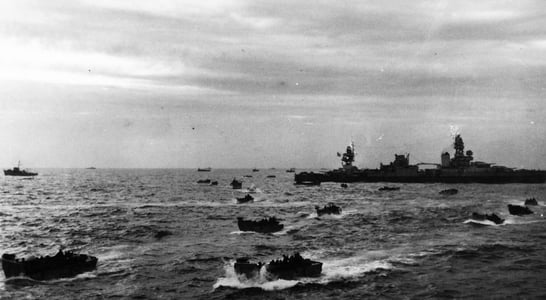
D-Day
On this day, Allied forces launched a massive invasion of Normandy, France during World War II, resulting in a pivotal victory that helped turn the tide of the war.