Do you cringe when you see a document filled with misspelled words? Are you the friend that everyone asks to read over their projects before they send them out?
Then this holiday is one for you! National Proofreading Day is a day for everyone to slow down and read what they just typed for themselves.
It is a day to have a goal of 100% accuracy for everything generated. Think you can do it?
National Proofreading Day Timeline
Proofreading Emerges with the Printing Press
With the invention of the movable-type printing press in Europe, printers begin taking “proof” impressions of pages so errors can be corrected before large print runs, giving rise to proofreading as a distinct stage in production.
Early Contract Defines Proof Correction Responsibility
A 1499 printing contract records that an author is ultimately responsible for correcting proofs, showing that checking printed pages for errors is already a recognized and contractually assigned task.
The “Wicked Bible” Highlights Proofreading’s Stakes
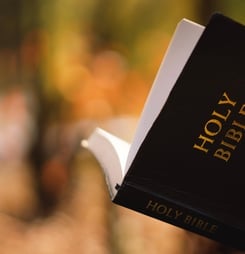
A London edition of the King James Bible omits the word “not” from “Thou shalt not commit adultery,” a notorious misprint that leads to fines and destroyed copies and becomes a classic cautionary tale about inadequate proofreading.
Professional Proofreaders in Industrial Printing
As industrial printing and mass newspapers expand, proofreading becomes a regular paid occupation in publishing houses and compositing rooms, with proofreaders comparing proofs against manuscripts line by line.
Standard Proofreader’s Marks Take Shape
Publishing and printing houses begin adopting shared sets of proof correction symbols, allowing editors, proofreaders, and typesetters to communicate changes efficiently on paper proofs across the industry.
From Galley Proofs to Digital Screens
Phototypesetting and then desktop publishing reduce reliance on metal type and paper galleys, shifting much proofreading work to on-screen review while the underlying task of catching typographical and layout errors remains.
Spell Checkers and Grammar Tools Enter Everyday Use
Word processors such as Microsoft Word introduce built-in spell check and basic grammar check features, automating the detection of common errors and changing how both professionals and casual writers approach proofreading.
History of National Proofreading Day
In 2011, Judy Beaver created National Proofreading Day in remembrance of her mother, Flo. On her website Judy relates that her mother loved to correct people.
She thought by creating the day on her mother’s birthday it would be a fun way to remember her, and help people take more time to proof read their work!
Ms. Beaver has filled her website with links to many resources that relate to proofreading, but also for grammar as well.
It is important to remember that when we write, we should use the rules of grammar instead of typing as if we are speaking. Professionals in all fields can set a bar of good writing by remembering this fact.
How to celebrate National Proofreading Day
For National Proofreading Day, you can celebrate by thanking that friend or coworker that always reads over your documents!
Show them how much you appreciate how they help you. Where would you be without their help? Make sure you do something to make the day more enjoyable for them. Let them know that their grammar skills are golden!
Perhaps this holiday recalls the teachers who have helped you through the years. Are you thankful for the teachers who are now helping your children to learn how to communicate properly instead of text-speak? Feel free to use this day to say thanks you with a handwritten, and properly worded note!
Want to celebrate in a big way? Take time to find grammar resources and brush up on your own skills. There are places all over the web where you can practice typing, spelling and grammar in fun activities. There are also guides to grammar that will help you to know which words to use at what time.
Do you get tripped up by the common words like their and there? Use the resources to never choose the wrong one again!
If you are the proofreader of your job or group of friends, you need to take a moment to celebrate all that you do for others as well. You could let them all know that while you are taking a day to celebrate, they need to check their own work!
Treat yourself to a new book, or another small gift that gives you joy. Even though you are the one always proofreading, you might want to take a chance to refresh your skills as well.
Thanks to Ms. Judy Beaver’s mother Flo, there is a day that all of those who wear the title of “grammar police” proudly.
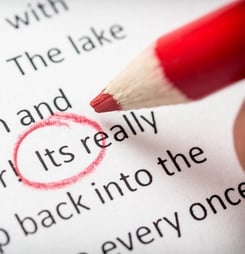
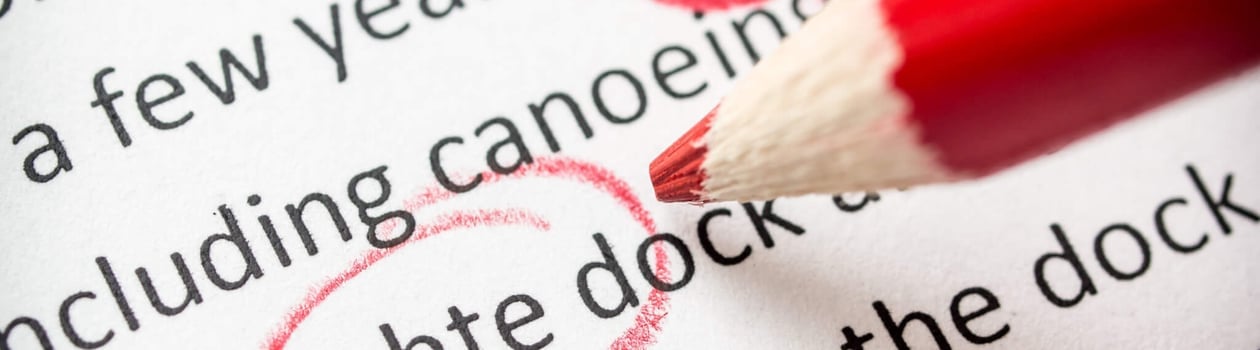
English teachers across the world can be proud of their pupils who have taken their well-planned lessons to heart. Head out to the store and stock up on your red pencils so that you are ready for another year of proofreading!
Facts About National Proofreading Day
Early Printers Used Secret Symbols To Track Proofreading Changes
By the 16th century, European printers had developed a system of standardized “correction marks,” using symbols in manuscript margins to indicate inversions, spacing errors, and missing letters so typesetters could silently correct text without rewriting whole pages.
These marks are the ancestors of modern proofreading symbols still taught in publishing and journalism programs today.
A Single Misprinted Commandment Bankrupted Royal Bible Printers
In 1631, London royal printers produced a King James Bible that accidentally omitted the word “not” from the commandment “Thou shalt not commit adultery,” creating the notorious “Wicked Bible.”
King Charles I ordered all copies burned and fined the printers £3,000, a huge sum at the time, illustrating how a single proofreading lapse could destroy a major business.
Dictionary Makers Helped Standardize Spelling For Proofreaders
Before the 18th century, English spelling varied widely, which made consistent proofreading nearly impossible.
Samuel Johnson’s 1755 “A Dictionary of the English Language” and Noah Webster’s 1828 “American Dictionary of the English Language” imposed commonly accepted spellings that gave printers, teachers, and later professional proofreaders a shared reference standard.
Modern Style Guides Turn Proofreading Into A Codified Discipline
Major style manuals such as The Chicago Manual of Style and The Associated Press Stylebook do more than govern commas and abbreviations; they codify preferences on capitalization, numerals, citations, and inclusive language.
Professional proofreaders use these guides to decide what counts as an “error” in different industries, from book publishing to newsrooms.
The Brain’s “Proofreader’s Illusion” Hides Obvious Typos
Cognitive research shows that people are worse at proofreading their own writing because the brain prioritizes meaning over exact letter-by-letter accuracy.
When reading familiar text, the mind tends to “autocorrect” small mistakes, filling in missing words or letters, which is why independent proofreaders often spot errors that the original writer repeatedly overlooks.
Typos In Legal And Financial Documents Can Cost Millions
Misplaced digits and stray words have triggered expensive lawsuits, including a 2006 Canadian case where a single ambiguous comma in a contract contributed to a dispute that cost one party more than $1 million in lost revenue.
Such cases have led many law firms and financial institutions to require multiple layers of proofreading for key documents.
Even Digital Spellcheckers Miss Many Real-World Errors
Automated tools catch obvious misspellings but regularly fail on correctly spelled wrong words, such as “public” accidentally typed as “pubic,” or on context-sensitive grammar.
Studies of word processors have found that spellcheckers can miss a large percentage of real errors and sometimes suggest incorrect changes, which is why publishers still rely on human proofreaders for final checks.
National Proofreading Day FAQs