

It is hard to find a person in society today who has not been touched by cancer in some way, either directly or indirectly.
World Cancer Day hopes to honor those who are fighting and those who have been lost to this dreadful disease.
This unique day of remembrance and determination aims to help people understand more about cancer and inspire them to take action so that hopefully one day there will be many in society who are not touched by cancer.
While there are various types of cancers, the disease most commonly arises when cell mutations lead to growths called tumors. Unless treated, cancerous growths can start to spread and infect other parts of the body.
There’s no denying that cancer is an extremely serious and widespread health issue. Worldwide it’s the second-leading cause of death after cardiovascular diseases and it particularly impacts socio-economically disadvantaged communities and countries.
Yet occasions such as World Cancer Day remind us that advances in research, prevention, early detection and treatment mean there is much cause for hope.
Over a third of cancers can be prevented and a further third are curable as long as they are spotted in good time and treated effectively.
While some risk factors such as age and genetics are beyond our control, it is empowering to know that many of our own behaviors and lifestyle choices can significantly reduce our risk of cancer.
Whether it’s quitting smoking, reducing our alcohol intake, applying enough sunscreen or staying active, there are various ways we can take action to protect our health.
And when it comes to treatment, advances in medical science are increasingly helping to save lives.
Vaccines such as the Human Papilloma Virus (HPV) vaccine help protect people against certain kinds of cancer, and there are various types of treatment available, including surgery, radiotherapy and chemotherapy. That’s why supporting global cancer research and care is so vital to helping overcome this disease.
How to Celebrate World Cancer Day
World Cancer Day is celebrated all over the globe, including by the United Nations and various governments. Many cities also honor the occasion by lighting up famous landmarks and sites in the World Cancer Day colors, orange and blue.
Wondering what you can do to honor this day? Take a look at some of these ideas:
Get Educated About World Cancer Day
You can honor World Cancer Day by educating yourself and those around you. World Cancer Day runs its own campaign each year encouraging people to get involved.
In the past this has included efforts such as the “We can. I can.” campaign, which aimed to bring awareness, research and information, and the “Debunk the Myths” campaign, which strived to counter misinformation surrounding the disease.
Join a Cancer Patient Support Group
One of the key aims of World Cancer Day is to help address the anxiety and stigma surrounding the disease – speaking with others about cancer and our personal experiences with it can help reduce feelings of fear and distress and create a sense of unity and togetherness.
You can find discussion groups such as online forums or simply make time to talk with friends and family.
Support a Cancer Charity
You might like to consider donating to a cancer organization or charity to mark the occasion. And if you look in your community, you will be sure to find many activities that you can take part in to help raise funds for research, education and care.
In fact, there are events all through the year, not just on this day, that you can attend.
Popular fundraising activities include bake sales, sponsored runs and personal challenges – get creative in the kitchen, put on a pair of trainers or try doing something out of your comfort zone, perhaps giving up chocolate or abseiling down a building, to raise money for this worthy cause.
Host a World Cancer Day Event
Are you in a position to lead an event in a school or organization? Even better! Reach out to the folks at the World Cancer Day website.
There you will find posters and contact information for organizations that you can assist. There are even some ideas for activities you can do with your group.
So, whether it’s in honor of someone you love or for your own battle, it’s time to help take a step towards the day when cancer is no longer a common disease and perhaps even a thing of the past. Pick up the mantel and help us – honor World Cancer Day and join the fight!
World Cancer Day Timeline
First written descriptions of tumors in ancient Egypt
The Edwin Smith Papyrus records cases of breast tumors treated with cauterization, offering the earliest known clinical description of cancer-like disease.
Hippocrates coined the term “carcinos” for cancer
The Greek physician Hippocrates used “karkinos” (crab) to describe malignant tumors and proposed the four-humor theory, framing cancer as a systemic disease.
Galen refines classical theories of cancer
Roman physician Galen expands on Hippocratic ideas, naming tumors “oncos” (swelling) and reinforcing the belief that excess black bile causes cancer.
The discovery of X‑rays led to radiotherapy
Wilhelm Röntgen discovered X‑rays in 1895, and within a year, physicians began using radiation to treat cancers, laying the foundation for modern radiotherapy.
Modern chemotherapy emerges from wartime research
The National Cancer Act of 1971 greatly expanded funding for cancer research and established the modern National Cancer Program and comprehensive cancer centers.
Imatinib ushers in the era of targeted cancer therapy
FDA approval of imatinib for chronic myeloid leukemia demonstrates that drugs designed to hit specific molecular abnormalities can produce dramatic, durable responses.
History of World Cancer Day
Organized by the Union for International Cancer Control (UICC), World Cancer Day aims to bring light to this age’s old disease. First started in 2000 at the World Summit Against Cancer for the New Millennium in Paris, this day was formally adopted by what is called the Charter of Paris.
The Charter was created with many goals, including to promote research on the prevention of and a cure for cancer as well as to raise awareness and bring about change to the services provided to patients.
The founders knew that increased awareness and information would mobilize the global community to help combat cancer – in the spirit of this Charter, World Cancer Day was founded.
The event has a particular focus on the power of collective action as well as the need to ensure equal access to medical care, including diagnosis and treatment.
While it’s understandable to feel overwhelmed in the face of cancer, World Cancer Day is about taking positive action and thus is a day of inspiration and hope.
By making World Cancer Day an annual event, it was hoped that the Charter of Paris would stay in the hearts and minds of people everywhere. The goals and ideas of the Charter will never be lost as long as there is even just one person to celebrate the day.
Facts About World Cancer Day
World Cancer Day highlights a powerful truth: cancer outcomes are not shaped by biology alone, but by awareness, prevention, early detection, and access to care. Many cancers develop silently over years, while everyday risk factors and global inequalities continue to drive rising case numbers. The facts below show why timely screening, healthier choices, and stronger health systems can save millions of lives worldwide.
Invisible Early Cancers Are Often Detectable Years Before Symptoms
For several major cancers, abnormal changes can be found long before a person feels ill, which underpins the value of population screening. Evidence from large studies shows that organized screening programs for breast, cervical, and colorectal cancer can reduce deaths by about 20–60%, depending on cancer type and method, by detecting tumors or pre‑cancerous lesions at earlier, more treatable stages.
A Small Set of Risk Factors Drives a Large Share of Cancer Deaths
Globally, more than 40% of cancer deaths are linked to a few modifiable behaviors, including tobacco use, alcohol consumption, unhealthy diet, excess body weight, and physical inactivity. Analyses from international cancer agencies indicate that changes in these everyday habits, together with policies that reduce exposure to carcinogens, could prevent millions of future cancer cases and deaths.
Cancer Burden Is Rising Fastest in Less Developed Countries
While cancer was once most strongly associated with richer nations, more than half of new cancer cases now occur in less-developed countries, and nearly 70% of cancer deaths are in low- and middle-income nations. The World Health Organization projects that by 2050, there could be about 35 million new cancer cases annually, with the steepest relative increases in countries that already face major gaps in diagnosis and treatment services.
Many Cancers Are Now Partly Preventable Through Vaccination
Two widespread viruses, human papillomavirus (HPV) and hepatitis B virus (HBV), are responsible for a substantial share of cervical and liver cancers worldwide. The World Health Organization and the International Agency for Research on Cancer estimate that broad uptake of HPV vaccination in girls and boys, along with HBV vaccination in infancy, could eventually prevent most cervical cancer cases and hundreds of thousands of liver cancer deaths each year.
Targeted Therapy and Immunotherapy Have Transformed Some Cancers’ Outlook
Targeted Therapy and Immunotherapy Have Transformed Some Cancers’ Outlook
Modern cancer treatment extends beyond surgery, radiation, and traditional chemotherapy, adding targeted drugs that block specific molecular changes in tumors and immunotherapies that help the immune system attack cancer cells. For certain cancers, such as advanced melanoma and some lung cancers, these approaches have produced durable remissions and significantly improved survival for patients who previously had very limited options.
Colorectal Cancer Is Rising in Younger Adults
Although cancer is often associated with older age, colorectal cancer incidence has been increasing among adults under 50 in many countries. Data highlighted by the American Cancer Society show that in dozens of nations, rates are climbing in younger age groups, leading experts to re-examine causes and contributing to decisions in some regions to lower the starting age for routine colorectal cancer screening.
One in Five People Will Experience Cancer in Their Lifetime
Current global estimates suggest that about 1 in 5 people will develop cancer during their lifetime, and roughly 1 in 9 men and 1 in 12 women will die from the disease. These figures, derived from international cancer registries compiled by the International Agency for Research on Cancer, highlight how widespread cancer has become and why robust prevention strategies and equitable access to effective diagnosis and treatment remain major public health priorities.
World Cancer Day FAQs



You may also like

Wear A Hat Day
Whether a cap or a wide-brimmed fedora, headwear can add personality to any outfit and protect your face from the sun.
- United Kingdom

Cancer Wellness Awareness Day
Going through cancer can leave people feeling overwhelmed, not just from the illness but from everything that comes with it. A diagnosis can rearrange a calendar, a kitchen, a family’s routines, and even a person’s sense of self. Cancer Wellness Awareness Day speaks directly to that weight by widening the...
- United States

National Cancer Thriver Day
National Cancer Thriver Day honors people thriving after cancer, celebrating resilience, community support, and the power of living with purpose and hope.
- United States

National Dress in Blue Day
Sporting a hue that symbolizes hope and unity, it's a powerful way to stand together and support the fight against cancer.
- United States
National days and holidays on February 4 2027

USO Day
USO Day is a special occasion that spotlights the United Service Organizations (USO) and its long-running mission: helping service members and their families feel supported, connected, and a little more at home wherever duty takes them. At its heart, the USO is about morale. That can sound abstract until it becomes...
- Afghanistan
- Iraq
- Italy
- and 4 more
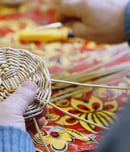
National Wicker Day
National Wicker Day is a delightful celebration of the art and craft of wicker weaving. It spotlights an approach to making that is both practical and charming: taking flexible strands and weaving them into objects that are sturdy enough for everyday life and handsome enough to be displayed. From picnic...
- Australia
- Canada
- United Kingdom
- and 1 more

Torture Abolition Day
Torture Abolition Day is a significant occasion dedicated to ending torture and supporting its victims. It creates space for public attention on a topic that is often hidden behind prison walls, conflict zones, and closed-door interrogations, even though its effects ripple far beyond any single incident. People from all walks of...
- United States

Time to Talk Day
Time to Talk Day is an annual event that encourages open conversations about mental health. It focuses on breaking the silence surrounding mental health struggles by inviting people to share how they feel with others. From casual chats with friends to deeper discussions within families and workplaces, the day highlights...
- United Kingdom
Seize Every Day
Join free for personalised recommendations, email reminders and exclusive guides. Never miss a day.