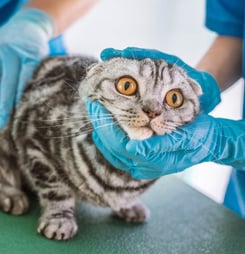

World Spay Day highlights the crucial issue of pet overpopulation. This special day encourages pet owners to spay or neuter their animals, helping to reduce the number of homeless pets.
By raising awareness and promoting these procedures, World Spay Day aims to create a world where fewer animals end up in shelters or face euthanasia.
How to Celebrate World Spay Day
Get Your Pet Snipped
Celebrate by booking an appointment to spay or neuter your furry friend. This simple action helps control the pet population and keeps animals healthier. It’s a gift to your pet and the community!
Donate to Shelters
Dive into your wallet and donate to your local animal shelter. Every dollar helps fund spay and neuter programs, and it’s an easy way to make a big difference without breaking a sweat.
Spread the Word
Tell everyone you know about World Spay Day! Share posts on social media, talk to friends, or even make flyers. Your voice can encourage others to take action.
Volunteer Your Time
Lend a helping hand at a nearby animal shelter or clinic. They often need extra help during events like this. Volunteering can be a fun and rewarding way to spend the day.
Host a Fundraiser
Throw a creative fundraiser! Host a bake sale, a pet-themed party, or a community garage sale. Use the funds raised to support spay and neuter efforts. It’s a great excuse to gather friends and do good.
Why Observe World Spay Day?
Celebrating World Spay Day emphasizes responsible pet ownership. Spaying and neutering pets can prevent health issues like uterine infections and testicular cancer.
These procedures also curb unwanted behaviors, such as aggression and roaming. The day highlights the benefits of these surgeries, not only for individual pets but also for the broader animal community.
World Spay Day inspires communities to support local spay and neuter programs. Many veterinary clinics offer special discounts during this period, making these important procedures more accessible.
Community initiatives and educational outreach also play a big role in spreading the message. By participating in World Spay Day, everyone can contribute to a healthier, happier future for pets and reduce the strain on animal shelters.
History of World Spay Day
World Spay Day began in 1995, thanks to the efforts of actress and animal advocate Doris Day and her organization, the Doris Day Animal League.
This day was initially called Spay Day USA. It aimed to address the alarmingly high rates of pet euthanasia in shelters, which at the time ranged from 14 to 17 million animals annually in the United States alone.
The event quickly gained momentum, expanding from a national to a global scale. Today, it involves participants in over 74 countries, all united in the mission to promote spaying and neutering.
This growth was bolstered by the involvement of the Humane Society of the United States, which helped broaden the initiative’s reach and impact.
Doris Day’s legacy continues through her foundation, which supports various spay and neuter programs. Between 2008 and 2018, the Doris Day Animal Foundation granted over $760,000 to fund these efforts, resulting in the sterilization of thousands of animals.
World Spay Day remains a vital campaign to reduce pet overpopulation and improve animal welfare worldwide.
Facts About World Spay Day
Early Spay Greatly Cuts Mammary Cancer Risk in Pets
Veterinary research has found that spaying female dogs before their first heat cycle almost eliminates the risk of mammary (breast) tumors, reducing it to about 0.5 percent compared with intact females.
The risk rises sharply if spaying is delayed until after one or more heat cycles, which is why many veterinarians recommend sterilizing before puberty when possible.
Neutering Males Helps Prevent Specific Cancers and Injuries
Neutering male dogs and cats removes the risk of testicular cancer and greatly reduces problems linked to the prostate, such as benign prostatic hyperplasia.
Studies also show that sterilized males roam less and are less likely to fight, which cuts their chances of traffic injuries and bite wounds that can lead to infections and costly emergency care.
Pet Overpopulation Has Dropped Dramatically in U.S. Shelters
In the 1970s, American shelters euthanized an estimated 12 to 20 million dogs and cats each year.
Thanks largely to widespread spay and neuter programs and changing attitudes toward pet ownership, current estimates from major animal welfare organizations place that figure at roughly 1 million annually, even though the pet dog and cat population has grown.
Feral Cat Trap‑Neuter‑Return Programs Can Stabilize Colonies
Trap‑Neuter‑Return (TNR) programs capture community cats, sterilize and vaccinate them, then return them to their territory.
Long‑term studies of managed colonies have documented population declines of 30 to 55 percent over several years, mainly because new litters are not born and adult survival improves, allowing colonies to age out instead of continually expanding.
Feral Cats Are Major Predators of Wildlife
Unowned and free‑roaming cats, many of whom are intact, can have large ecological impacts. A landmark synthesis in 2013 estimated that free‑ranging cats kill billions of birds and mammals each year in the United States alone, with unowned cats responsible for the majority of the predation.
Controlling reproduction in these populations is seen by many conservation biologists as part of broader efforts to protect vulnerable wildlife.
Early‑Age Sterilization Is Common in Shelters
Animal shelters frequently perform “pediatric” spay or neuter surgeries on kittens and puppies as young as 8 to 16 weeks so that no adopted animal can later contribute to accidental litters.
Controlled studies have found that, when done by experienced veterinarians with proper protocols, early‑age sterilization does not increase overall long‑term medical problems compared with traditional timing and can make surgeries safer and recovery faster.
Sterilization Helps Control Zoonotic Disease Risks
In many low‑resource countries, unowned dogs are major reservoirs for rabies and other zoonotic diseases.
Mass sterilization campaigns, often paired with vaccination, have been used in places such as India and Latin America to reduce roaming dog populations and stabilize community packs, which makes systematic rabies vaccination more feasible and has been associated with drops in human rabies cases.